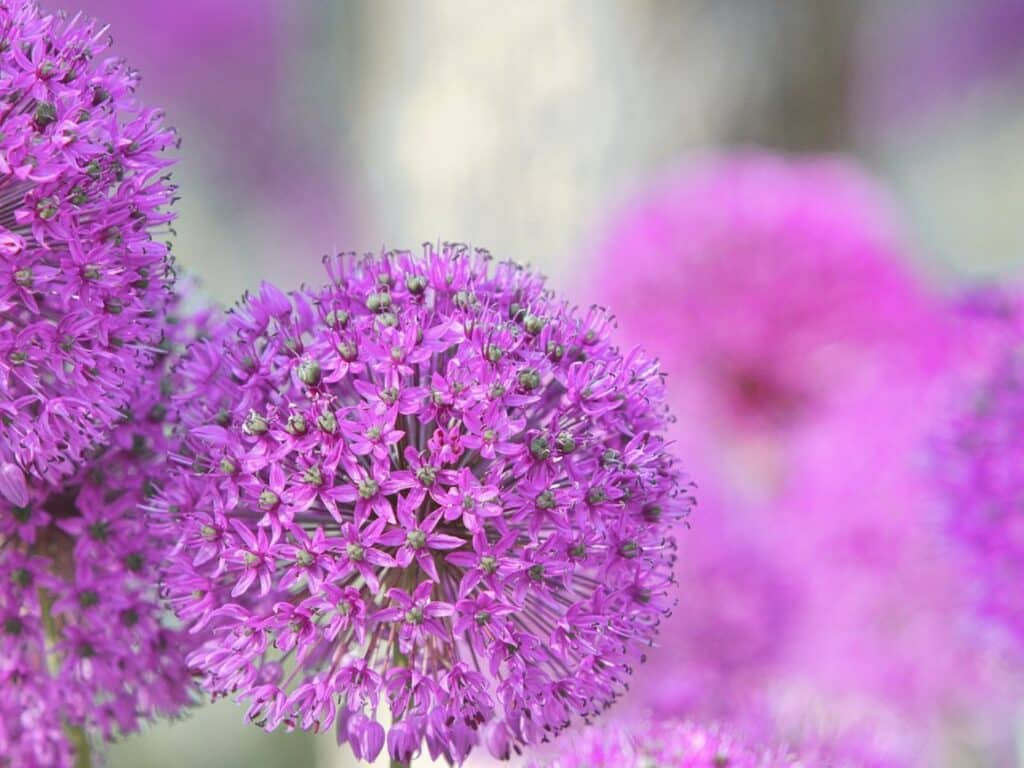
Alliums (Allium) are terrific plants to include in both vegetable and ornamental gardens. These wonderful edible plants can charm your yard with their beautiful white or purple flowers. Their spiky leaves are also great for creating texture-rich scapes. But one of the biggest benefits of this plant is that it can repel pests that might threaten your garden.
Alliums can be paired with companion plants like marigold flowers, yarrow, lady’s mantle, and ornamental grass for showy garden beds. You can also grow them with all sorts of vegetables so they can protect your crops from pests.
In this guide, we will take a closer look at these companion plants and discuss some of the best ways to use them in your garden.
What to Grow with Alliums
There are also over 900 different allium species that include everything from crop onions to showy ornamental allium varieties. Some varieties look more charming in ornamental gardens, while others are more functional in agricultural settings.
In terms of companion planting, alliums are quite flexible. These plants have a very adjustable growing nature and, as such, can be paired with a huge variety of other plants.
Members of the allium family are okay with soil type. They can be grown in just about any soil type if it drains well. These bulb plants are also incredibly drought tolerant but can start to rot if waterlogged.
Alliums can tolerate part shade conditions but prefer full sun and will flower much better if they have a minimum of 6 hours of direct sunlight daily.
Let’s look at some companion plants that are also relatively drought tolerant, grow well in direct sun, and can look charming when paired with alliums.
Vegetables
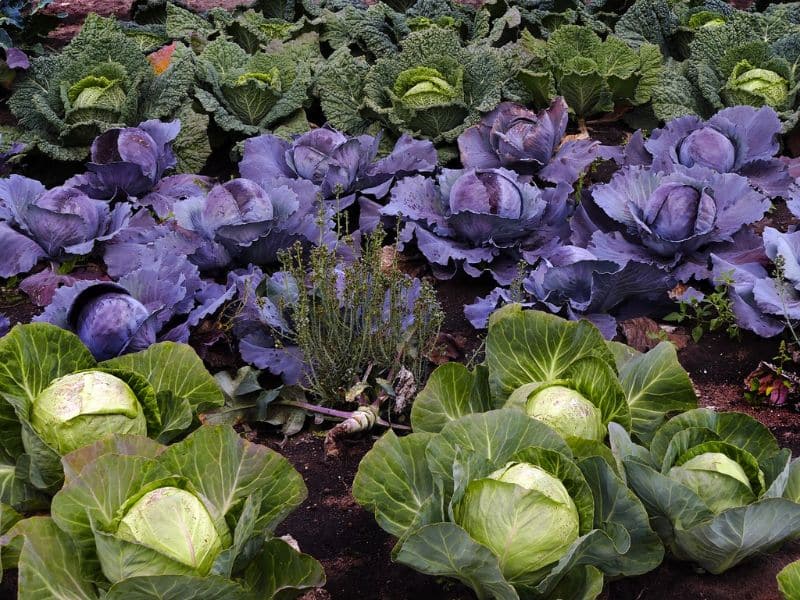
Onions and even ornamental alliums are terrific additions to vegetable gardens because adding them to your beds can help protect your vegetables from pests.
The powerful scent of alliums is terrific for repelling pests like cabbage worms, cabbage loopers, cabbage maggots, aphids, spider mites, carrot flies, flea beetles, and other garden pests. It also helps reduce the chances of getting verticillium wilt.
Allium flowers can also increase crop yields because they will attract beneficial insects like bees and butterflies needed for pollinating your garden.
While gardeners usually choose crop onions (Allium cepa), garlic (Allium sativum), or leeks (Allium porrum) for vegetable gardens, other allium cultivars like wild garlic (Allium ursinum) or Persian onion (Allium cristophii) can be just as effective for repelling pests.
You can pair onions with all sorts of vegetables, including members of the brassica family, tomatoes, cucumbers, turnips, lettuce, carrots, parsnips, beets, peppers, eggplants, and many other plants because vegetables mostly have similar growing requirements as onions.
Alliums can be mixed in the same garden bed as vegetables for an interesting effect or you can plant them in rows between vegetables to mask the strong scent of your veggies so they won’t attract as many pests.
Ornamental Grasses
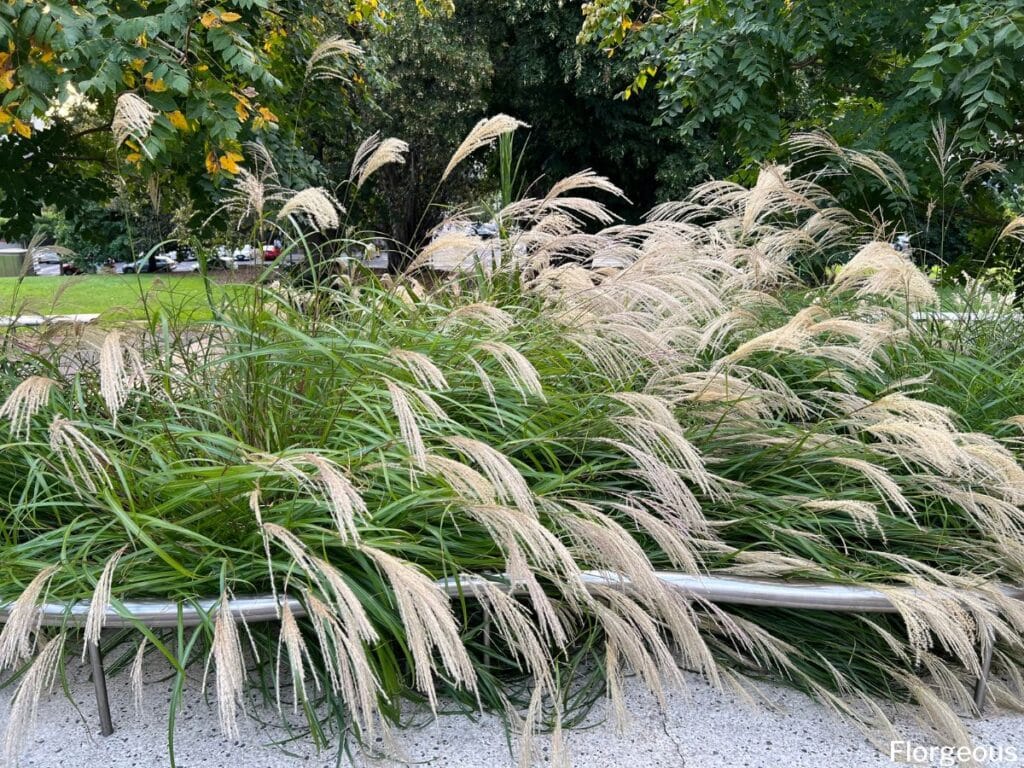
You can pair alliums with ornamental grass for a showy and texture-rich garden.
The vivid purple flowers of allium varieties like purple sensation (Allium hollandicum) or drumstick allium (Allium sphaerocephalon) will look rather striking amongst the tall grass blades of ornamental grass varieties like Mexican feather grass (Stipa tenuissima), blue fescue grass (Festuca glauca), or fountain grass (Pennisetum setaceum).
It is important to select hardy, sun-loving ornamental grass varieties to create a low-maintenance garden. Sun-loving grasses can tolerate warm conditions, can be grown in most soil types, and are relatively drought-tolerant.
This type of plant combination will create a charming wavy effect especially if you mass plant the grass with lots of allium orbs peeking out amongst the tall grasses.
Marigolds
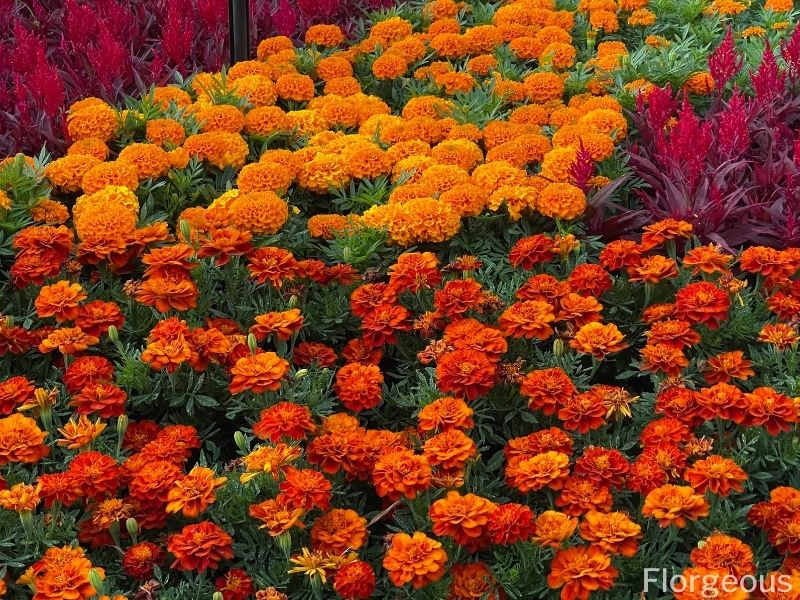
Marigolds (Tagetes) grow well alongside onions and can help you create a powerful protective barrier around plants vulnerable to pests. Marigold flowers produce toxic chemicals that kill pests like root-knot nematodes and other nematodes that feed on plant roots. Mexican marigolds are also known to repel other destructive insects.
Marigold flowers should be planted in full sun, and, as with alliums, they can be grown in any type of soil as long as the soil drains well. They should be watered twice weekly, while over-watering may result in root rot.
Mix these plants in a border around your garden or rows between vegetables. The bright colors of marigold and onion flowers will add lots of color and charm to your garden while warding off common pests.
Lady’s Mantle
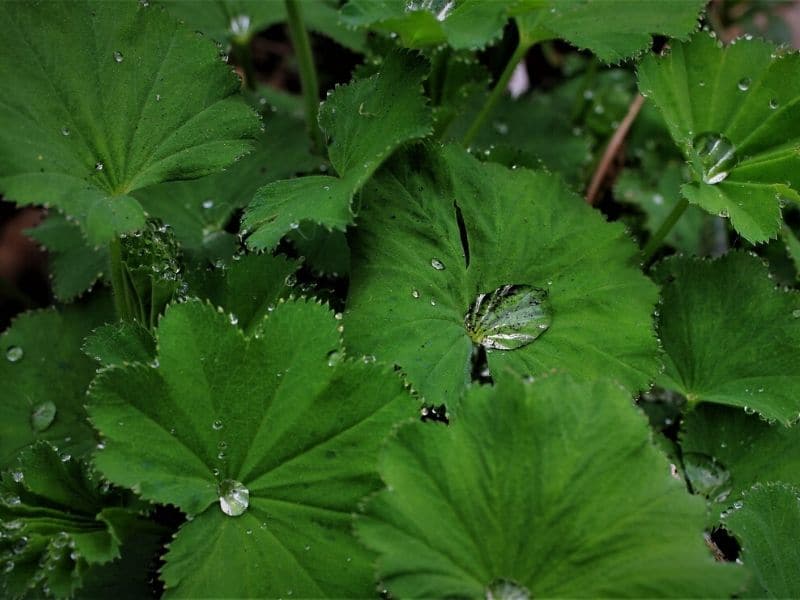
Lady’s mantle (Alchemilla mollis) can be a great companion plant if you plant alliums in an ornamental garden. These shrubs will add lots of texture to your landscape with their decorative bright green leaves and their yellow flowers will look attractive next to showy varieties like allium purple sensation (Allium hollandicum).
Lady’s mantle will produce lots of vivid blooms if you plant it in full sun. These plants can be very drought tolerant once established and they will take well to any soil that is neutral to slightly acidic.
This shrub can grow rather dense and will grow up to 18 inches tall. You can grow the shrub in the front of your flower bed to conceal the slender stems of alliums so those allium blooms can peek out from behind the shrub. This combination will also hide away the dying leaves of alliums when their growing season is over.
Yarrow
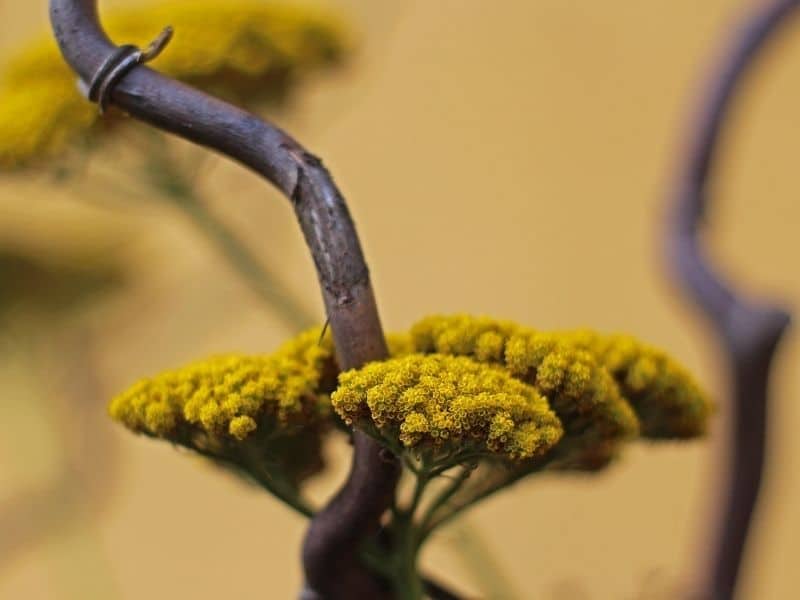
Yarrow (Achillea millefolium), also known as common yarrow, old man’s pepper, devil’s nettle, or soldier’s woundwort, can also be good companions for ornamental or flower gardens. They will add lots of color to your garden because they produce loose clusters of vivid flowers in colors like white, soft pastels, yellow, red, orange, or gold.
These aromatic perennials love full sun and they are very heat and drought-tolerant. The plant can grow in any well-drained soil including clay soil as long as the soil isn’t too wet or soggy.
Some varieties of yarrow can grow up to 4 feet tall. It is best to pair taller allium varieties with shorter yarrow varieties so the showy purple flowers can stand out above the tiny blooms. Some gardeners also enjoy mass planting yarrow and then include spheric alliums like blue globe allium (Allium caeruleum) or purple sensation amongst the low growers.
What NOT to Grow with Alliums
Alliums get along well with a great many plant species. There are, however, a couple of plants that don’t grow well with them.
Asparagus is one plant that you should avoid planting next to onions because this slow-growing perennial will compete for nutrients and doesn’t like to be disturbed. Asparagus plants can become damaged when you clear out your annual alliums.
Some vegetable plants like legumes (beans, peas, and others) also don’t develop well next to members of the onion family. This is because these onions and legumes together are chemically incompatible. Both plants will suffer if you grow them next to one another.
Gardeners also advise against pairing onions with other alliums because they can attract the same pests like onion maggots or onion flies that can have devastating effects on your garden.
Sage is also a plant that dislikes growing next to onions. If you pair these two plants together, the growth of your onions can be stunted.
Landscaping Ideas for Alliums and Companions
After discovering so many plants that can grow well with alliums, you are probably excited to get working on improving your landscapes. Let’s take a look at some creative ideas on the best ways to pair alliums with companions.
Xeriscape Gardens
Xeriscape gardens are specially designed to be water efficient and usually include lots of natural features like rocks and drought-tolerant plants to create a striking garden.
Alliums are often used in these dry gardens because they can add lots of interest and don’t need a lot of water. You can pair showy alliums with other drought-tolerant plants like yarrow, sage, and ornamental grasses to create texture-rich scapes that are visually striking.
Mixed Flower Beds
Aliums can look charming in flower beds, especially if you pair them with other flowers like yarrow, lady’s mantle, marigolds, or garden phlox. For a vibrant effect, you can mix different flowering plants and texture-rich shrubs all over your garden bed.
Vegetable gardens
In vegetable gardens, the main function of alliums is to protect your crops but that doesn’t mean they can’t enhance the appeal of your garden.
Alliums paired with other fragrant plants like marigolds will make these spaces look very beautiful while protecting your garden from common threats.
Final Thoughts
Alliums are wonderful plants that can be useful in both ornamental and agricultural gardens. When these plants are paired with companions like yarrow, lady’s mantle, marigolds, or ornamental grass, they can create striking flower beds or they can be grown with all sorts of vegetables to protect your garden.
We hope that our guide gave you some inspiration for your own landscapes and that you can use these fresh new ideas to make your showy alliums stand out even more or so you can draw the maximum benefits from these powerful plants.