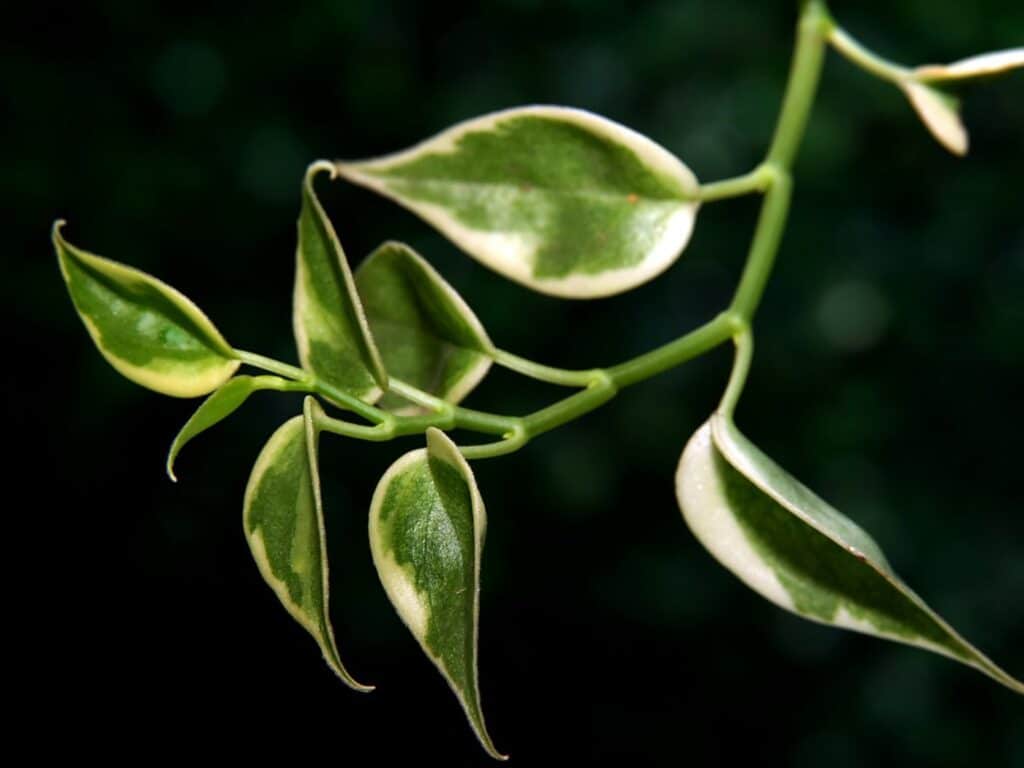
Are you puzzled over your hoya plant’s leaves turning yellow? It’s a common issue that many hoya enthusiasts encounter, but it can still cause a lot of worry. After all, you’ve invested time and love into your plant, and it’s distressing to see it struggle.
Understanding the reasons behind this color change is the first step towards nursing your hoya back to health. From lighting conditions to watering habits, various factors could be at play. Let’s delve into why your hoya’s vibrant green may well be fading to yellow, and explore some practical solutions.
Understanding Why Hoya Leaves Turn Yellow
The Natural Aging Process of Hoya Leaves
A change in leaf color signifies a normal part of your Hoya plant’s life cycle. The green pigment dissipates, exposing the yellow hues beneath as the leaf ages, similar to how humans develop wrinkles over time. If it’s just a couple leaves changing color, it could be the plant’s natural way of aging.
Signs of Overwatering in Hoya Plants
Overwatering stands as a prevalent issue for gardeners. Your Hoya’s leaves may well turn yellow if it has recklessly received too much water. Symptoms of overwatering include drooping or yellow leaves and soft, mushy stems. Proper water management ensures your plant gets the hydration it needs without causing stress.
Impact of Insufficient Light on Hoya Leaves
Insufficient light poses another risk to your Hoya plants. In low light conditions, your plant’s chlorophyll, a molecule responsible for photosynthesis, succumbs and the leaves start to yellow. Aydin and Terzi (2019) from the Department of Biology, Faculty of Science, Atatürk University, Turkey, highlight the importance of having regulated light for plants for photosynthesis.
Nutrient Deficiency and Its Effects on Hoya
In contrast, nutrient deficiencies also breed yellow leaves. Your Hoya needs a cocktail of specific minerals to thrive.
Lack of nitrogen or iron, for example, stunts growth and can cause your plant’s leaves to yellow. The ability to recognize nutrient deficiency ensures your Hoya gets the necessary feed and stays healthy.
Common Mistakes in Caring for Hoya Plants
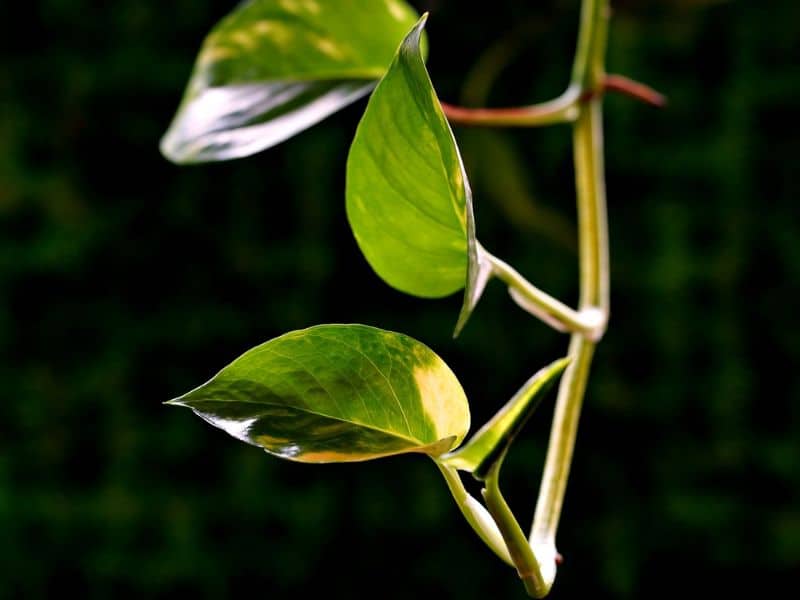
As hoya enthusiasts, it’s critical to understand not just the problems your plant may encounter, but also the habitual mistakes that can lead to these issues. This section focuses on the three of the most common mistakes made when caring for hoya plants, contributing to yellowing leaves.
Inadequate Watering Techniques
A key mistake lies in your watering methods. Unfortunately, it’s possible to give too much love in the form of water, leading to overwatering. This excess can result in soggy roots, causing your hoya plant’s leaves to turn yellow. Contrastingly, a lack of watering can also be detrimental.
Underwatering deprives the plant’s roots of the moisture they require, leading to drying leaves that can subsequently turn yellow. A good balance is the application of water only when the top inch of soil feels dry.
The Consequences of Using the Wrong Soil Mix
Using an inappropriate soil mix can unfavorably affect your hoya plant’s health. Hoyas prefer well-draining soil that allows water to pass through quickly.
However, a heavy, dense soil mix can retain water, resulting in a water-logged environment for your hoya roots, inducing leaf yellowing. Switch it up, with a soil mix that includes components like perlite or orchid bark, enhancing the drainage capabilities for the plant’s survival.
Overfertilization and Its Impact on Hoya Health
Though feeding your hoya nutrients through fertilization seems beneficial, overdoing it could harm your plant. Applying too much fertilizer increases the salt concentration in the soil, which subsequently leads to leaf burn and yellowing.
To avoid this, it’s prudent to stick to a fertilization routine that depends on the plant’s growth stage and time of the year, accounting for the dormancy period during winter. Adhering to these recognized mistakes can prevent your hoya plant’s leaves from turning yellow, paving the way for a healthy green growth.
Diagnosing the Problem
Having understood the factors leading to hoya leaves turning yellow, the next step lies in diagnosing the defect. This involves identifying symptoms and tracing them back to various care practices which may well’ve gone awry. Let’s delve into three major steps of diagnosis.
Examining the Watering Schedule
A good start to diagnosing the yellowing of hoya leaves is to take a closer look at your watering schedule. Overwatering and underwatering can both manifest in yellow leaves.
Note the frequency and quantity of water you provide. Keep an eye on the soil condition too; it’ll indicate whether it’s retaining too much moisture or drying out excessively. Try to maintain a watering regimen that keeps the soil slightly damp but never soggy.
Assessing Light Conditions and Adjustments
Your hoya’s light conditions also deserve scrutiny. Hoyas demand well-lit spaces but aren’t fans of direct, harsh sunlight. Check the plant’s location.
Is it shadowed or exposed to strong rays? Moving the hoya to a brighter, indirect light source could significantly improve its condition. A rotation routine that enables all leaves to access light equally can be a beneficial adjustment.
Checking for Signs of Pests or Disease
Finally, examine your hoya for unwelcome pests or symptoms of disease. Mealybugs, scale insects, or spider mites often infest hoyas, causing leaves to yellow and wilt. Physical spotting can often be combined with online images for pest identification.
Mark any changes in leaf texture, unusual spots, or discoloration that may well signal disease. Remember, early detection and treatment can save your hoya from considerable damage.
Prevention and Treatment Strategies
To assure your Hoya plant’s health and prevent the onset of yellow leaves, it’s paramount to follow these guidelines.
Establishing a Proper Watering Routine
Implementing a consistent watering routine requires understanding your plant’s water needs. Hoya plants thrive on a ‘less is more’ watering approach, meaning, it’s better to underwater than to overwater.
Overwatering often results in root rot, which manifests as yellowing leaves. Check the topsoil’s dryness level before watering your Hoya plant. Generally, it’s best to water your Hoya when the top inch of the soil feels dry to the touch.
Optimizing Lighting for Hoya Plants
Hoya plants, being tropical in nature, crave plenty of bright, indirect light. Direct sunlight leads to scorched leaves, while insufficient light can cause leaf discoloration, including yellowing. Striking a balance is key.
Place your Hoya in a spot that receives bright but indirect light for the majority of the day. Moving your plant to different locations throughout the day can also help ensure it gets adequate light.
Choosing the Right Soil and Fertilizer
Selecting an appropriate soil mix and fertilizer contributes significantly to Hoya plant health. Hoya plants favor well-draining soil that reduces the risk of waterlogged roots and resulting yellow leaves.
Consider a mix of peat, perlite, and orchid bark. Fertilizing plays a part too. Feed your Hoya with a balanced houseplant fertilizer. Over-usage, however, can lead to yellow leaves. Follow the product’s guidelines and apply the fertilizer during the growing season only.
Remember, prevention is better than cure. Regular care and monitoring of your Hoya plant help keep it healthy, happily growing, and free from yellow leaves. If symptoms persist, always reach out to a horticulture professional for further advice.
When to Seek Professional Help
Often, you may effectively deal with minor issues like improper watering or sub-optimal lighting affecting your hoya plant health. Nonetheless, it’s crucial to discern when a more serious problem, like a disease, requires attention from a plant specialist.
Identifying Serious Diseases in Hoya Plants
Occasionally, the yellowing leaves on your hoya plant may indicate a potentially serious disease. For example, fungal diseases surface as dark, soggy spots that eventually cause the leaves to turn yellow. Insects or pests may well also infest the plants, leaving visible traces on the leaves and gradually causing yellowing.
Monitoring common symptoms can make detection easier. If your hoya plant exhibits irregular growth, dropped or discolored blooms, or an overall unhealthy appearance in addition to yellow leaves, it could signify a more serious condition. Detecting these symptoms early aids in implementing treatment strategies promptly, minimizing potential damage to your hoya plant.
Consulting With a Horticulturist
If the yellow leaves persist despite your best efforts, or the plant’s overall health worsens, it’s time to connect with a horticulturist. These plant specialists possess extensive knowledge of plant diseases, nutrient deficiencies, pest problems, and more. A horticulturist can accurately diagnose the issue affecting your hoya plant, giving tailored advice on the best course of action.
Consider providing the horticulturist with as much information as possible about your plant care routines. This includes your watering schedule, the type of soil used, light exposure, and any recent changes in these routines. This information aids the specialist in formulating the most effective treatment plan for your hoya plant.
Remember, it’s crucial to ask for professional help early to prevent further deterioration of your hoya plant, maintaining its optimal health and vibrant beauty for years to come.
FAQs
Why are my hoya plant leaves turning yellow?
Shifting hues in hoya leaves might be due to lighting, watering, and nutrient imbalances.
What watering mistakes do can cause hoya leaves to yellow?
Overwatering or underwatering can contribute to leaf yellowing. Remember, hoya plants prefer their soil to dry out between waterings.
What does improper soil mix do to hoya plants?
An unsuitable soil mix can cause waterlogging, nutrient deficiency, and loss of vigor, often leading to yellow leaves on your hoya plant.
What are some strategies to prevent hoya leaves from turning yellow?
Implement a proper watering routine, provide bright but indirect light, use well-draining soil, and consider a balanced fertilizer. Regular monitoring and care are essential.
When should I seek professional help for my hoya plant?
If yellow leaves persist despite preventive measures, or for identifying serious diseases like fungal infections and pests, it’s vital to consult with a professional horticulturist for tailored treatment plans.
Up next: