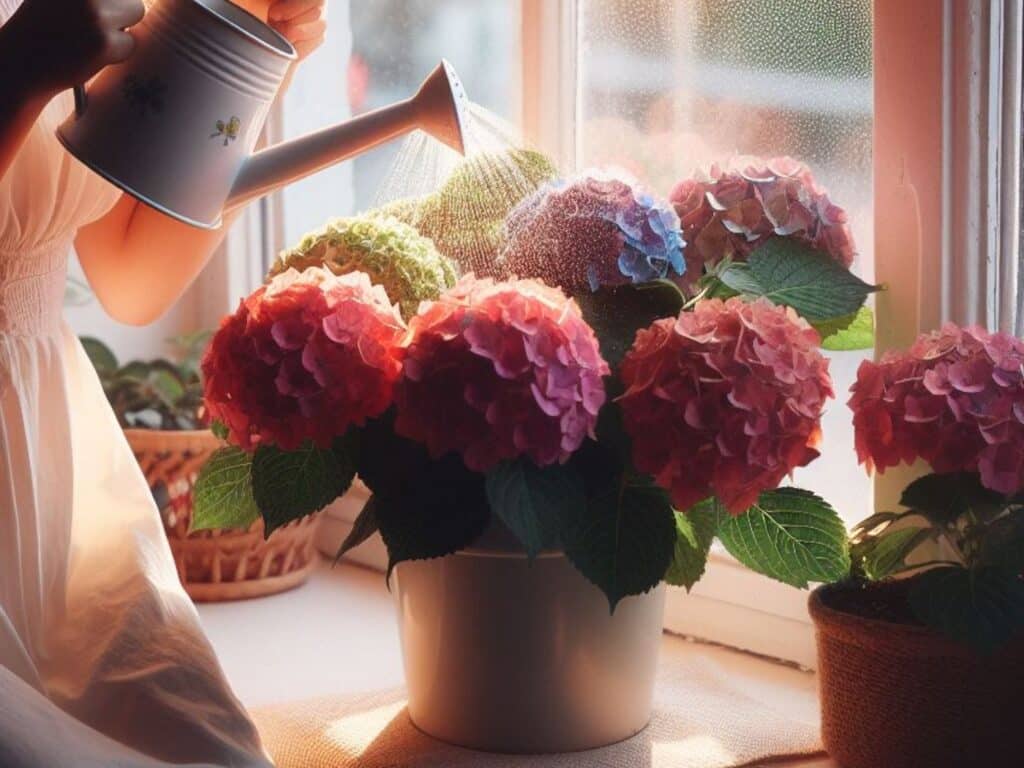
Discovering your hydrangea’s leaves turning yellow or its vibrant blooms wilting can be disheartening, especially when you’ve been diligent with watering. Often, the culprit behind these signs of distress is overwatering, a common yet easily overlooked issue that can have serious consequences for your beloved plant.
Overwatering not only suffocates the roots, preventing them from absorbing essential nutrients, but it also invites a host of diseases that can further compromise your hydrangea’s health.
Understanding the delicate balance between too much and just enough water is key to reviving and maintaining the lush, flourishing appearance of your hydrangeas.
This article aims to guide you through identifying the signs of overwatering, understanding its impacts, and most importantly, offering practical solutions to restore your plant’s vitality. With the right knowledge and care, you can ensure your hydrangeas remain a stunning feature in your garden.
Understanding Hydrangea Water Needs
Signs of Proper Hydration
Identifying when your hydrangea is perfectly hydrated can be a bit like playing detective, but there are clear clues. Leaves that are vibrant in color and firm to the touch indicate a well-hydrated plant.
Additionally, if the soil feels damp—but not soggy—an inch below the surface, you’ve hit the hydration sweet spot. These signs are your hydrangea’s way of giving you a thumbs up, signaling that you’re providing just the right amount of water to keep it thriving.
Consequences of Underwatering
While overwatering is often the spotlighted issue, not giving your hydrangea enough water comes with its own set of challenges. Underwatering leads to drought stress, which manifests as droopy leaves and stunted growth. The plant starts to conserve water by reducing its evaporation rate, leading to a lackluster appearance.
If your hydrangea’s leaves look like they’ve seen better days and the soil is dry and compact, it’s time to up your watering game. Remember, maintaining a balance is key; too little water is just as problematic as too much.
How to Identify Overwatered Hydrangea
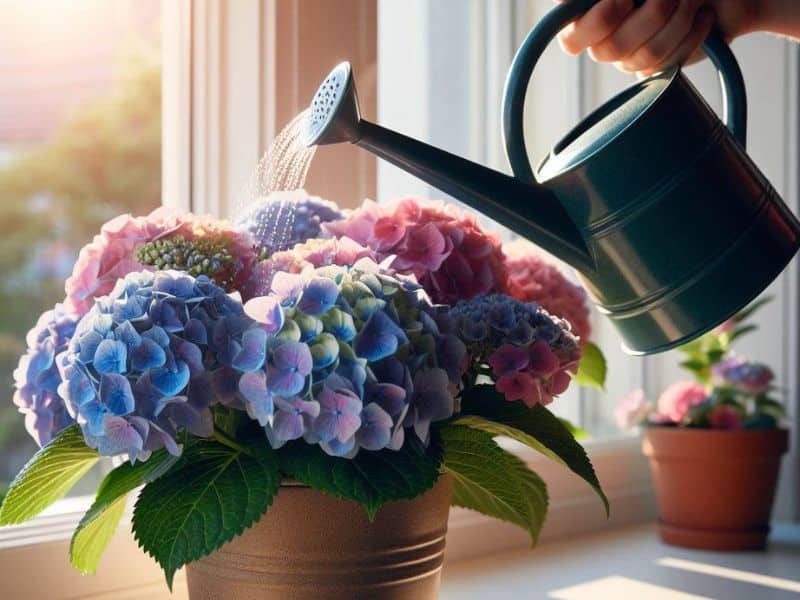
Identifying an overwatered hydrangea is crucial for reviving your plant and keeping it flourishing. Below you’ll find key indicators that your hydrangea has had a bit too much to drink.
Visual Symptoms on Leaves and Stems
Spotting the signs of overwatering in hydrangeas starts with a close look at the leaves and stems. Yellow leaves are often the first giveaway. Unlike the vibrant green of a healthy plant, overwatered hydrangeas display a dull, lifeless yellow on their leaves, sometimes accompanied by brown, mushy spots.
Another sign is wilting; you’d think they need more water, but it’s quite the opposite. If the soil feels soggy and the plant looks sad, it’s time to ease up on the watering can.
Stems, too, tell their own story. Soft, limp stems that lack their usual sturdiness indicate excess moisture. This unwanted flexibility suggests the plant is not just taking a nap but is actually struggling to stay upright.
Root Rot – A Hidden Danger
Below the soil’s surface lies a hidden threat to your hydrangea’s health: root rot. This condition is a bit sneakier, as it’s not as visible as yellow leaves or limp stems. However, a telltale sign is a foul odor emanating from the soil, a clue that something’s amiss underground.
If you suspect root rot, gently remove your hydrangea from its pot or dig around the base in the garden. Healthy roots are firm and white, while affected roots turn brown or black, feeling mushy to the touch. Catching this condition early is key, as it can spell disaster for your hydrangea if left unchecked.
Diagnosing an overwatered hydrangea early gives you a fighting chance to mend its woes and get it back to its luscious, blooming self. Remember, plants are a bit like Goldilocks – they don’t want too much or too little water, just the right amount.
Immediate Actions to Save an Overwatered Hydrangea
After identifying that your hydrangea has been overwatered, taking quick and effective actions can help save your plant from further damage. This section delves into adjustments you can make regarding watering routines and soil and pot conditions to help your hydrangea recover.
Adjusting Watering Schedules
First things first, let’s talk about hydration without the flood. Cut back on watering immediately. Your hydrangea doesn’t need more water at this stage; it’s like offering a glass of water to someone who’s just walked out of a pool.
Check the soil moisture before even thinking about watering again. The top inch of the soil should be dry to the touch. If it’s still moist, step away from the watering can. It may feel odd, especially if you’re used to a strict watering schedule, but your hydrangea will thank you for it.
Changing Soil and Pot Conditions
Next, we need to give your plant a better home, one where its roots can breathe. Here’s where choosing the best soil for hydrangeas comes in. Consider repotting your hydrangea in fresh, well-draining soil. A mix designed for potted plants usually does the trick, offering the right structure for drainage and aeration.
If the current pot is the botanical equivalent of a studio apartment for a family of four, it may well be time to upgrade. Ensure the new pot has adequate drainage holes; these are non-negotiable for a healthy root system.
Think of them as the escape routes for excess water. If your hydrangea is planted in the ground and not a pot, improving drainage may well involve mixing in some sand or organic matter to loosen compact soil.
By adjusting how often you water and enhancing the living conditions for your hydrangea, you set the stage for its recovery and renewed growth. Remember, in the world of plant care, sometimes less is more, and knowing when to step back can make all the difference.
Long-Term Care for Hydrangea Recovery
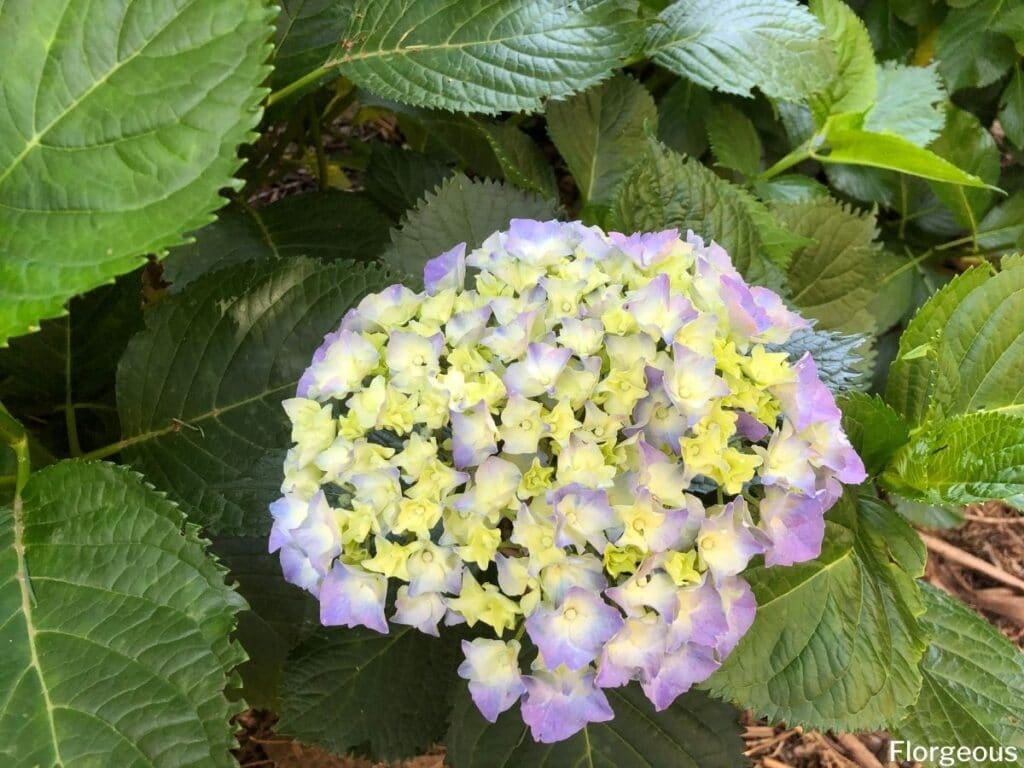
After saving your overwatered hydrangea, you’ve tackled the first hurdle. Now, it’s all about ensuring its vibrancy and bloom in the long run. Here’s how you can keep your hydrangea on the path to full recovery with some essential long-term care tips.
Monitoring Soil Moisture Levels
Keeping an eye on soil moisture will become your new hobby. Hydrangeas love moisture, but there’s a fine line between hydrated and waterlogged. Invest in a soil moisture meter for accuracy; it’ll be your best friend.
Remember, the goal is consistently moist soil, not saturated. Before you consider watering, check if the top inch of the soil feels dry. If it does, then it’s time to water. This simple check can prevent future overwatering misadventures.
Fertilization and Sunlight Adjustments
Overfeeding and overexposing your hydrangea to sunlight can stress it, especially post-recovery. Opt for a balanced, slow-release fertilizer that matches your hydrangea’s needs.
Choosing the best fertilizer for hydrangeas depends on your type and whether you want to influence flower color. Research the NPK ratio (nitrogen, phosphorus, potassium) that best suits your variety.
One application in early spring and another in summer are usually enough. Too much fertilizer can overwhelm your plant, so less is more here.
Sunlight is tricky; your hydrangea needs it, but not too much. Find a spot that offers morning sunlight and afternoon shade. This balance encourages strong growth without the harsh effects of full-day sun exposure.
Remember, recovering from overwatering takes patience and time. Adjusting your care routine gradually helps your hydrangea regain its strength and bloom beautifully once more. With these practices in play, you’re not just nursing your plant back to health; you’re setting the stage for a stunning garden centerpiece.
Preventing Future Overwatering
Selecting the Right Planters
Choosing the appropriate planter is pivotal in avoiding overwatering your many types of hydrangeas. Opt for pots with adequate drainage holes to facilitate excess water escape, keeping roots from sitting in moisture for too long.
Materials like terracotta or unglazed ceramic are preferable because they allow the soil to breathe and moisture to evaporate, reducing the risk of waterlogging. Remember, a happy hydrangea starts with a happy home, and the right planter is step one.
Understanding Seasonal Water Needs
Hydrangeas’ thirst varies with the seasons, meaning your watering routine should adjust accordingly. During hotter months, they may well crave more frequent waterings to combat the heat, while in cooler, damp conditions, they’ll require less. Employing a soil moisture meter can be a game-changer, providing you with accurate readings to guide your watering decisions.
This tool helps eliminate the guesswork, ensuring your hydrangeas receive just the right amount of water, regardless of the season. Listening and responding to the unique needs of your plants during changing seasons ensures they remain vibrant and healthy year-round.