Discovering your pepper plant’s leaves turning yellow can be disheartening, especially when you’ve invested time and care into nurturing your garden. This common issue among gardeners isn’t just a cosmetic problem—it’s a cry for help from your plant, signaling that it needs a bit more attention to thrive. Whether you’re a seasoned gardener or a green-thumbed newbie, understanding the underlying causes is the first step toward reviving your pepper plants.
Fortunately, with the right knowledge and a bit of effort, you can pinpoint the problem and take action to restore your plants to their vibrant, healthy state.
In this article, we’ll explore the various reasons behind yellowing leaves, from water stress to nutrient deficiencies, and provide you with practical solutions. Get ready to breathe new life into your pepper plants and ensure they continue to flourish in your garden.
Understanding Why Pepper Plant Leaves Turn Yellow
Common Causes of Yellowing Leaves
Seeing your pepper plants sporting yellow leaves can be quite the head-scratcher. But, let’s dive into why this happens. Over or under-watering tops the list of suspects. These plants like their soil just right—not too wet, not too dry.
Next up, a lack of sunlight. If they’re not basking in enough light, those leaves will start to yell for help. And let’s not forget the impact of temperature. Too hot or too cold, and your plants may well protest by turning their leaves yellow.
Nutrient Deficiencies and Their Role
Onto the nutrients – or lack thereof. Yellow leaves often signal a plea for more nutrition. Nitrogen deficiency is a prime culprit, turning young leaves a pale yellow.
Then there’s potassium, with its knack for causing older leaves to yellow at the edges. And don’t overlook magnesium; it’s essential for photosynthesis.
A deficit here leads to yellow patches between leaf veins. Recognizing these subtle hints can help you address nutrient needs before your plants send out an SOS.
Assessing the Plant’s Environment
Evaluating Sunlight and Watering Practices
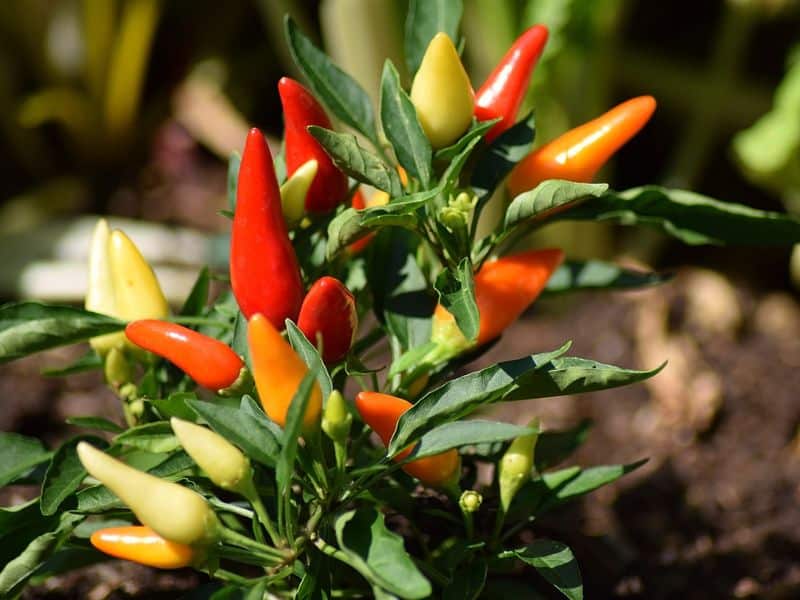
Proper sunlight and watering are crucial for your pepper plants. They love the sun, needing about 6 to 8 hours of direct sunlight daily. If your plants aren’t getting enough light, they may well signal distress through yellowing leaves.
On the flip side, too much sun, especially in scorching climates, can also stress them, causing a similar yellow hue. Adjusting their exposure to light may prevent further discoloration.
Watering practices are equally important. Pepper plants require consistent moisture, but overwatering pepper plants can lead to root rot, a common cause of yellow leaves. Check the soil before watering; it should be moist, not soggy. If you’re unsure, wait a day.
Underwatering, however, can also trigger yellowing as the plants struggle to stay hydrated. Creating a balanced watering schedule based on the soil’s dryness ensures your plants remain healthy.
The Impact of Pot Size and Root Health
The choice of pot plays a significant role in the health of your pepper plants. If the pot is too small, it can restrict root growth, strangling the plant and leading to yellow leaves. Ensure your pepper plant’s home provides ample room for roots to spread out. If you notice roots peeking out of the drainage holes, it’s time for a larger pot.
Root health is a cornerstone of a thriving pepper plant. Diseases like root rot can cause leaves to turn yellow as the plant’s system gets compromised. Regularly check the roots when you water or repot; they should look white and healthy, not brown and mushy. If you spot signs of disease, act swiftly to address the issue, possibly saving your plant and preventing further yellowing of leaves.
Preventative Measures and Solutions
When your pepper plant’s leaves start waving the yellow flag, it’s time to spring into action. Yellow leaves are the plant’s SOS signal, and with the right strategies, you can turn the tide. Let’s break down the steps to keep those leaves green and vibrant.
Soil Quality and Fertilization Strategies
Great soil isn’t just dirt—it’s the lifeline of your pepper plants. If your plants are sending out yellow leaves as flares, soil quality may well be the culprit. Aim for well-draining soil rich in organic matter. A quick way to boost your soil’s status is by adding compost, which is like a gourmet meal for your plants.
Next, let’s talk food—more precisely, fertilizer. Pepper plants are like teenagers: they have specific nutritional needs. A balanced, slow-release fertilizer applied during the growing season can make a world of difference.
Look for fertilizers with a mix of nitrogen, potassium, and phosphorous. But remember, more isn’t always better. Over-fertilizing can lead to nutrient burn, which only adds to your yellow leaf woes. Find a balance and stick to it.
Proper Watering Techniques for Pepper Plants
Watering your pepper plants can feel like walking a tightrope. Too much or too little water can send your plants into a yellow spiral. The key is consistency. Pepper plants enjoy a drink when the top inch of soil feels dry to the touch. Stick your finger in the soil; if it feels dry, it’s time to water.
But here’s a plot twist: your watering schedule must adapt to the weather. Hotter days mean more frequent watering, whereas cooler days may well mean scaling back. Also, consider the method of watering.
Drip irrigation or a soaker hose at the base keeps water off the leaves and directly where it counts, helping to prevent diseases that can also lead to yellowing. It’s all about giving your plants the right amount of water at the right time.
By focusing on rich, well-draining soil and mastering the watering game, you’re setting your pepper plants up for a vibrant, yellow-free life. Remember, every plant has its needs, so keep an eye out, adjust as necessary, and your garden will thank you with a bounty of peppers.
Treating Yellow Leaves on Pepper Plants
Yellow leaves on your pepper plants got you down? You’re not alone. This common issue can be a real headache, but with the right approach, those leaves can turn a healthy green again. Let’s dive into some effective treatments.
Remedies for Nutrient-Deficient Plants
If your pepper plants are showing signs of nutrient deficiency, it’s time to spring into action. First, get a soil test. This will tell you exactly what’s missing. Often, the culprit is a lack of nitrogen, magnesium, or iron – critical for chlorophyll production and overall health.
Adding a balanced, slow-release fertilizer to the soil can work wonders. Look for one with micronutrients, applying it according to the package instructions. For a quick fix, consider a foliar feed with Epsom salt for magnesium or chelated iron for an iron boost. Just mix with water and spray directly on the leaves.
Addressing Pest and Disease Issues
Pests and diseases can also turn pepper plant leaves yellow. Keep an eye out for tiny insects like aphids or spider mites. A strong jet of water from the hose may well just send them packing. For more stubborn cases, neem oil or insecticidal soap can help. Apply it in the cool of the evening to avoid harming the plant.
Diseases like mosaic virus or fungal infections require a bit different tactic. Prune away any infected leaves or sections to prevent spreading. Always sterilize your shears after each cut to avoid contaminating healthy parts.
If the disease persists, removing the entire plant may well be necessary to protect the rest of your garden. Remember, prevention is key, so start with healthy soil and resistant varieties to give your pepper plants the best fighting chance.
Frequently Asked Questions
What causes yellow leaves on pepper plants?
Yellow leaves on pepper plants can stem from several issues including water stress, insufficient sunlight, and nutrient deficiencies. Identifying the exact cause is crucial for proper treatment.
How can water stress affect my pepper plant?
Both underwatering and overwatering can lead to water stress, causing the leaves to yellow and wilt. It’s vital to maintain a consistent watering schedule that keeps the soil moist but not waterlogged.
Is sunlight exposure important for pepper plants?
Yes, adequate sunlight is essential for pepper plants, requiring at least 6-8 hours of direct sunlight daily. Insufficient sunlight can lead to yellowing leaves and poor plant growth.
What nutrient deficiencies cause yellowing leaves in pepper plants?
Common nutrient deficiencies in pepper plants include nitrogen, magnesium, and iron. These deficiencies manifest as yellowing leaves and can be remedied with balanced fertilizers containing micronutrients.
How do I test my soil for nutrient deficiencies?
Soil testing can be done through home test kits or by sending a sample to a local extension service. This helps identify specific nutrient deficiencies affecting your pepper plant’s health.
Can pests and diseases cause yellow leaves on pepper plants?
Yes, pests like aphids and diseases such as fungal infections can cause yellowing leaves. Treatment options include using neem oil for pests and pruning affected areas for diseases.
What are the best practices for preventing yellow leaves on pepper plants?
Preventing yellow leaves involves starting with healthy, well-draining soil, choosing resistant plant varieties, ensuring proper sunlight and watering, and conducting regular soil tests to monitor nutrient levels.
See more: