You’ve lovingly tended to your pepper plants, watching them grow, only to see them start wilting, their leaves turning yellow. It’s disheartening, especially when you’ve invested time and care.
Often, the culprit behind these symptoms is overwatering, a common mistake that can lead to serious problems for your plants. Understanding the balance between too much and just enough water is crucial for the health of your pepper plants.
Recognizing the signs of overwatering and knowing how to address it can save your plants and ensure a bountiful harvest. This article will guide you through identifying the problems caused by overwatering, understanding its effects on your pepper plants, and offering solutions to revive your precious greens.
Let’s dive into how you can turn the tide and restore the vitality of your overwatered pepper plants, ensuring they thrive once again.
Signs of an Overwatered Pepper Plant
Wilting Leaves
Believe it or not, wilting leaves on a pepper plant don’t always shout, “I’m thirsty!” Sometimes, they’re screaming, “Water overload!” If the leaves look limp and lifeless despite frequent watering, it’s a classic sign your pepper plant is overwatered.
The roots get too much water, can’t breathe, and stop transporting nutrients efficiently, leading to those wilted leaves.
Yellowing and Dropping Leaves
Next up, if your pepper plant starts looking like it’s giving up on life by shedding yellow leaves, overwatering could be the culprit.
Leaves turning yellow and falling off prematurely indicate the plant is struggling to maintain its health. This symptom arises because the root system is overwhelmed with water, leading to poor nutrient absorption.
Stunted Growth and Development
A pepper plant that’s more “meh” than “wow” in growth may well have had a bit too much to drink. Overwatering leads to stunted growth and development because the waterlogged soil makes it tough for the roots to grab the nutrients they need.
If your plant isn’t reaching for the stars, it may well be drowning instead of thriving.
Root Rot and Foul Odor
The most unfortunate party guest in your garden? Root rot caused by overwatering. This condition attacks the roots, turning them mushy and brown, a far cry from their healthy, white appearance.
If there’s a foul odor coming from the soil, akin to something rotting, it’s likely your plant’s roots are decomposing. This dire situation shows the plant’s foundation is compromised, threatening its survival and your pepper harvest.
Causes of Overwatering in Pepper Plants
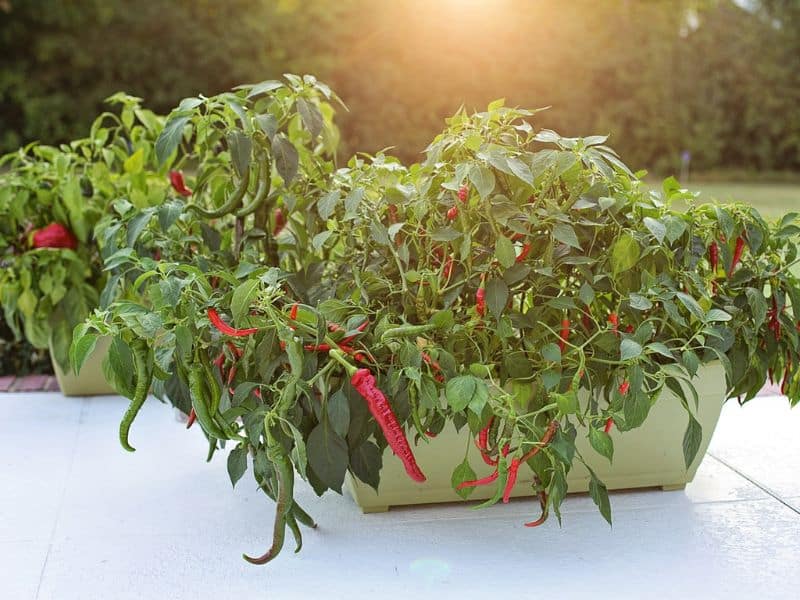
Overwatering pepper plants can severely impact their growth and fruit production. Understanding the main causes helps prevent this common issue, supporting your goal of a thriving pepper garden.
Inadequate Drainage
Potting mix that doesn’t let water flow out freely is often the culprit behind waterlogged conditions. If your pepper plant’s roots are swimming more than they’re growing, you’re facing an inadequate drainage situation.
Ensure pots have enough holes at the bottom and consider mixing in perlite or sand to improve water flow. Remember, healthy roots need oxygen as much as they need water.
Incorrect Watering Schedule
Giving your plants a drink on a fixed schedule without considering their actual thirst can lead to overwatering. Pepper plants’ watering needs change with the weather, their growth stage, and the size of their container.
On cooler, cloudy days they drink less, and as they grow larger, they’ll need more. Let the top inch of soil dry out before watering again to strike the right balance.
Environmental Factors
Sometimes, your environment does you no favors. High humidity levels, lack of sunlight, and cool temperatures can all slow down the rate at which soil dries out.
If your peppers aren’t getting at least 6 hours of sunlight a day or are stuck in a humid, cool spot, they may well not be able to use all the water they’re given. Adjust their location if possible or adapt your watering frequency to match the slower soil drying rate.
By addressing these issues, you’ll greatly reduce the risk of overwatering your pepper plants. Keeping an eye on drainage, adjusting your watering schedule, and considering environmental factors will help keep your plants healthy and ready to produce a bountiful harvest.
Consequences of Excessive Watering
Overwatering pepper plants isn’t just a minor hiccup; it can lead to significant challenges that affect plant health and productivity. Understanding these consequences is key to avoiding them and keeping your plants thriving.
Increased Susceptibility to Diseases
One of the primary risks of overwatering your pepper plants is the increased susceptibility to a range of diseases. Excess moisture creates a breeding ground for fungal pathogens, notably Phytophthora and Pythium, which cause root rot.
This condition isn’t just unpleasant to look at – it’s a serious threat that can take down your plant if not addressed quickly. Additionally, the damp conditions favor the growth of molds and mildews, further stressing your plants.
Nutrient Deficiencies
Drenched soil doesn’t just bother your pepper plants’ roots; it also messes with their ability to take up essential nutrients. Waterlogged roots struggle to absorb minerals like nitrogen, potassium, and phosphorus – all vital for healthy plant growth.
This lack of nutrients manifests as yellowed leaves, stunted growth, and a disappointing harvest. Adjusting your watering routine can prevent this, ensuring your plants get just the right amount of hydration without drowning their roots and robbing them of nutrition.
Rescuing an Overwatered Pepper Plant
Adjusting Watering Techniques
First off, accepting you’ve been a bit too generous with water is a good step. Now, reduce your watering frequency. Pepper plants appreciate a drink only when their soil feels dry an inch below the surface.
This check-before-you-water approach prevents additional water stress. If you’ve been watering daily, consider scaling back to every few days, monitoring the soil’s moisture level as your guide.
Improving Soil and Drainage
Improving drainage is like giving your pepper plants a lifeline. Start by mixing perlite or sand into the existing soil. These add-ons improve soil structure, allowing water to flow freely and preventing root suffocation.
If your plants are in pots, verify that the drainage holes aren’t blocked. Sometimes, a simple relocation to a sunnier spot helps dry out the soil more quickly, striking a balance between moisture and air in the root zone.
Treating Root Rot
If your pepper plant is showing signs of root rot, prompt action can save it. Gently remove the plant from its pot and inspect the roots. Healthy roots are firm and white, while rotted roots are mushy and brown. Trim away the damaged roots with sterilized scissors.
Consider repotting the plant in fresh, well-draining soil and a clean pot to give it a fresh start. Remember, when treating root rot, gentle care and optimism are your best tools.
Prevention Strategies for Future Growth
Maintaining the health of your pepper plant involves being proactive, especially after understanding how detrimental overwatering can be. By focusing on a few key strategies, you can prevent overwatering and ensure your pepper plants have a vibrant future.
Understanding Pepper Plant Water Needs
Pepper plants enjoy a balance, not too wet and not too dry. Think of Goldilocks, but for plants. They require consistent moisture, particularly when fruits are forming, but detest soggy roots.
A simple rule of thumb is to water when the top inch of soil feels dry to the touch. Remember, weather conditions and the plant’s growth stage play significant roles in its watering needs. During hot, dry periods, your plants may well need more frequent watering, while cooler, cloudy days mean less.
Monitoring Soil Moisture Levels
One of the best tools in your gardening arsenal is your own finger. By sticking it into the soil up to the first knuckle, you can feel whether the plant needs water or if it’s happy as is. If the soil sticks to your finger, hold off on watering for a bit.
For tech-savvy gardeners, soil moisture meters offer a precise way to monitor moisture levels without guesswork. Regardless, observing your plant’s response to watering and adjusting accordingly sets the stage for optimal growth.
Choosing the Right Potting Mix and Container
Selecting an appropriate potting mix and container significantly reduces the risk of overwatering. Opt for a potting mix that’s well-draining yet retains enough moisture to support growth. Ingredients like perlite, vermiculite, and peat moss contribute to this balance. When it comes to containers, those with drainage holes are non-negotiable.
They allow excess water to escape, preventing water from pooling at the bottom and creating an environment ripe for root rot. For larger pepper plants, consider pots that are not only wide but also deep enough to accommodate their extensive root systems, ensuring your pepper plants remain healthy and stress-free.
Up next: