
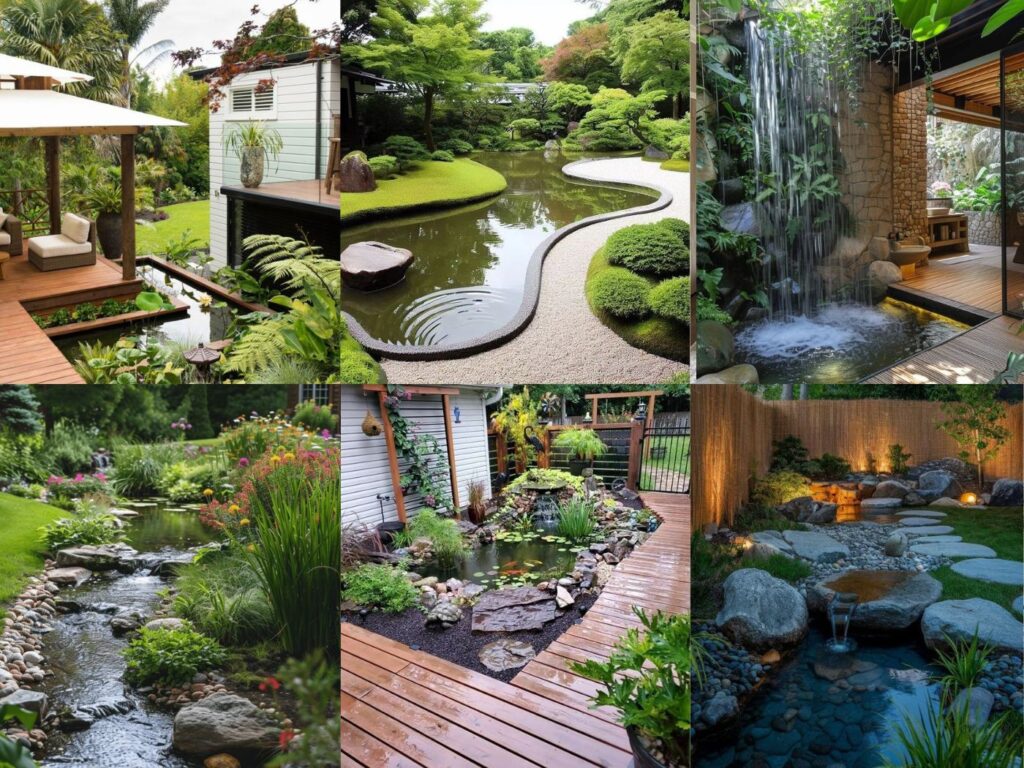
Imagine stepping into your backyard and being greeted by the soothing sounds of water gently flowing in a small pond. A backyard pond isn’t just a beautiful addition; it’s a sanctuary that invites tranquility and enhances your outdoor space. Whether you’re seeking a serene retreat or a vibrant ecosystem to attract wildlife, a small pond can transform your yard into a peaceful oasis.
You may well be wondering how to create this enchanting feature without overwhelming your space or budget. The good news is that designing a small backyard pond can be both manageable and rewarding.
With the right planning and a few creative ideas, you can enjoy the benefits of a stunning water feature that complements your landscape and elevates your outdoor experience. Dive in to discover how to turn your vision into reality, and watch your backyard come to life.
9 Small Backyard Pond Ideas for a Peaceful Outdoor Escape
#1. Small Backyard Koi Ponds
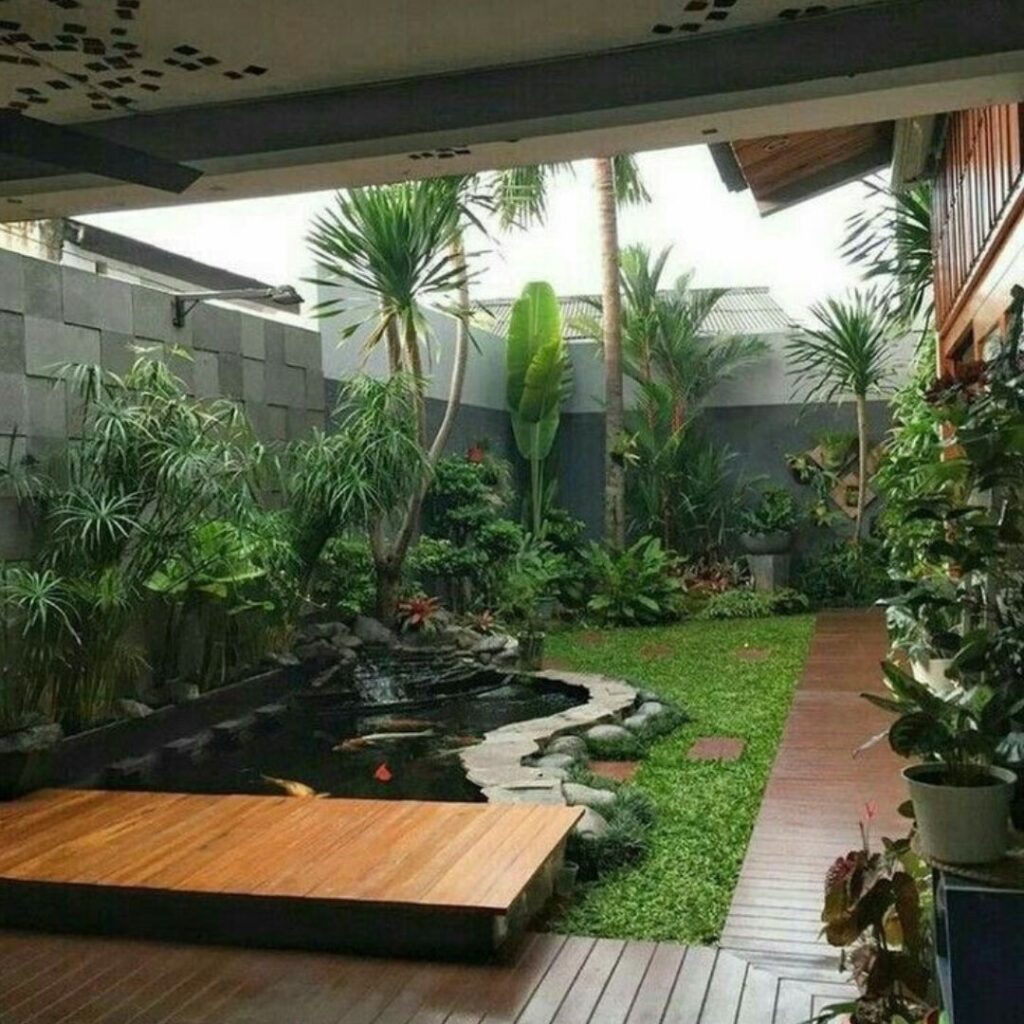
#2. Small Backyard Pond With Water Plants
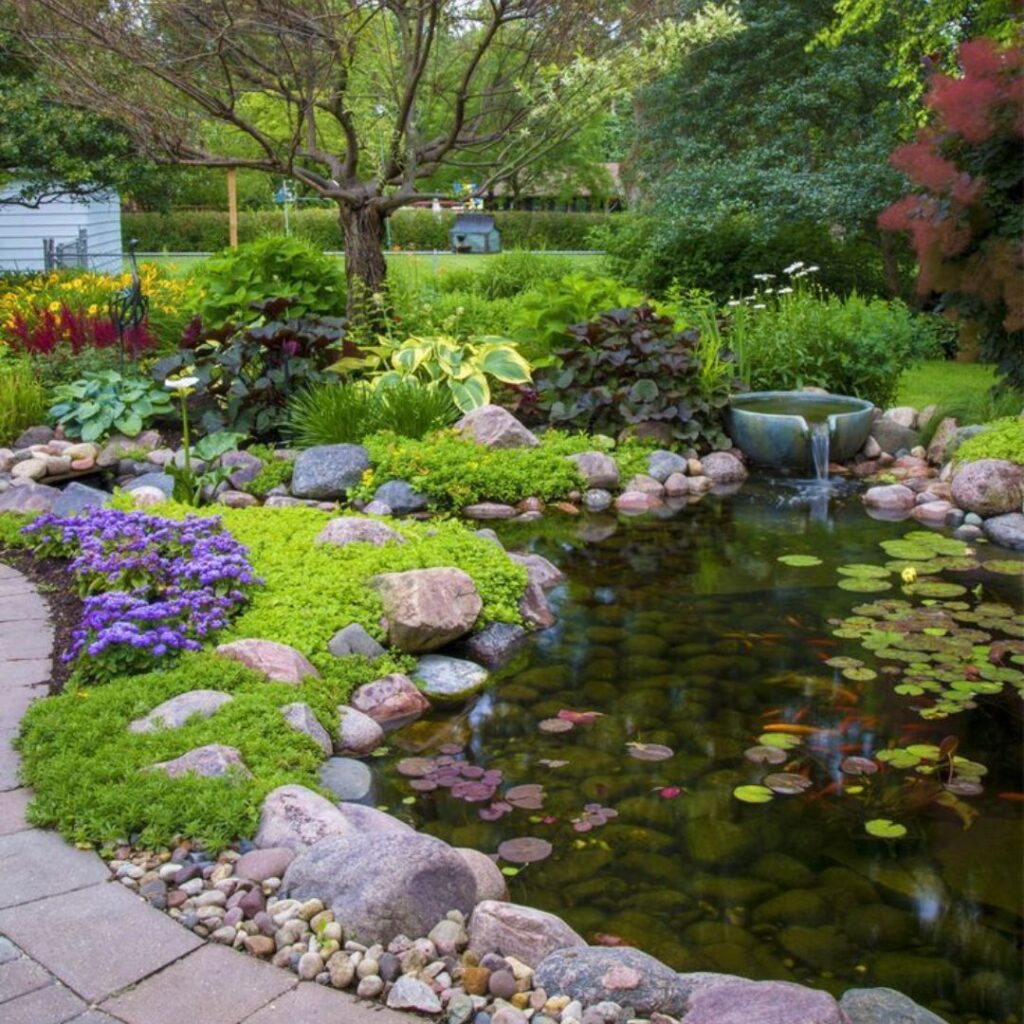
#3. Small Backyard Ponds With Pathways
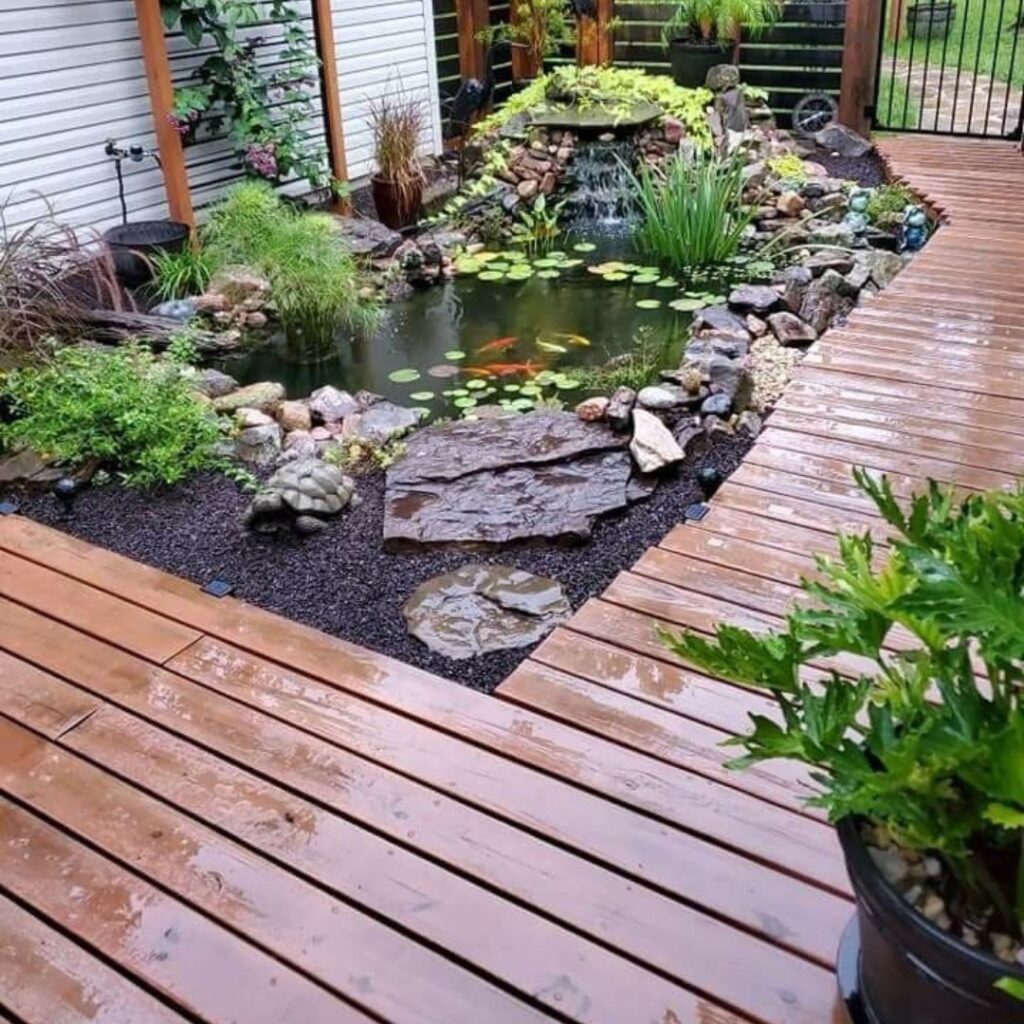
#4. Small Boulders Backyard Ponds
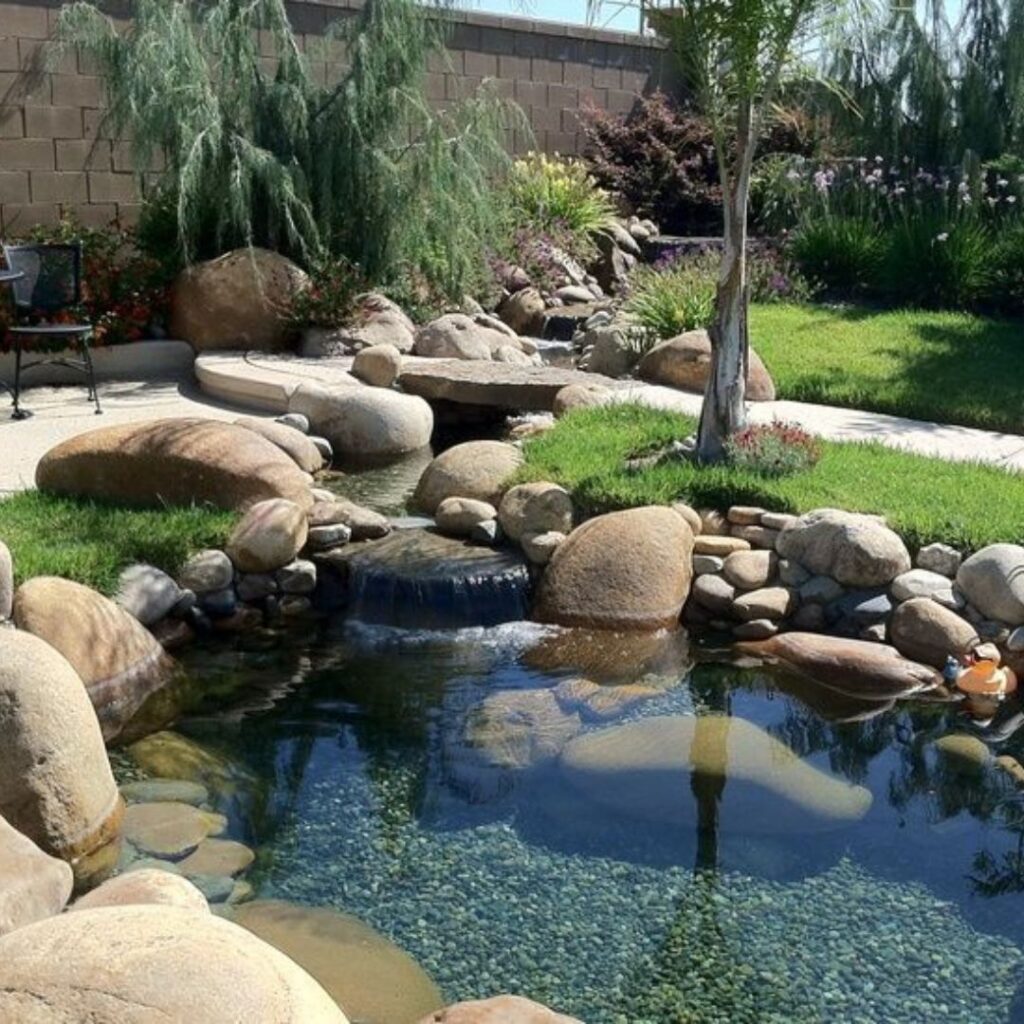
#5. Small Flower Backyard Ponds
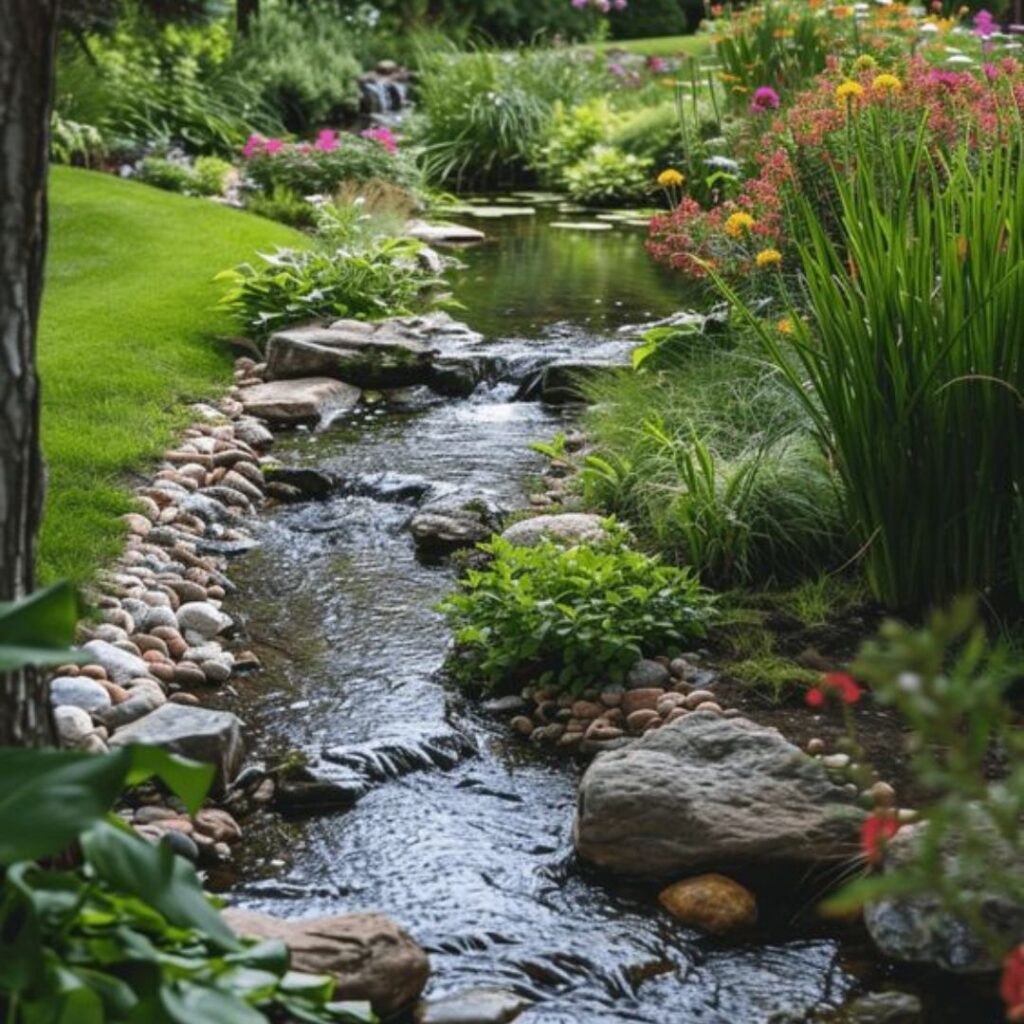
#6. Small Japanese Backyard Ponds
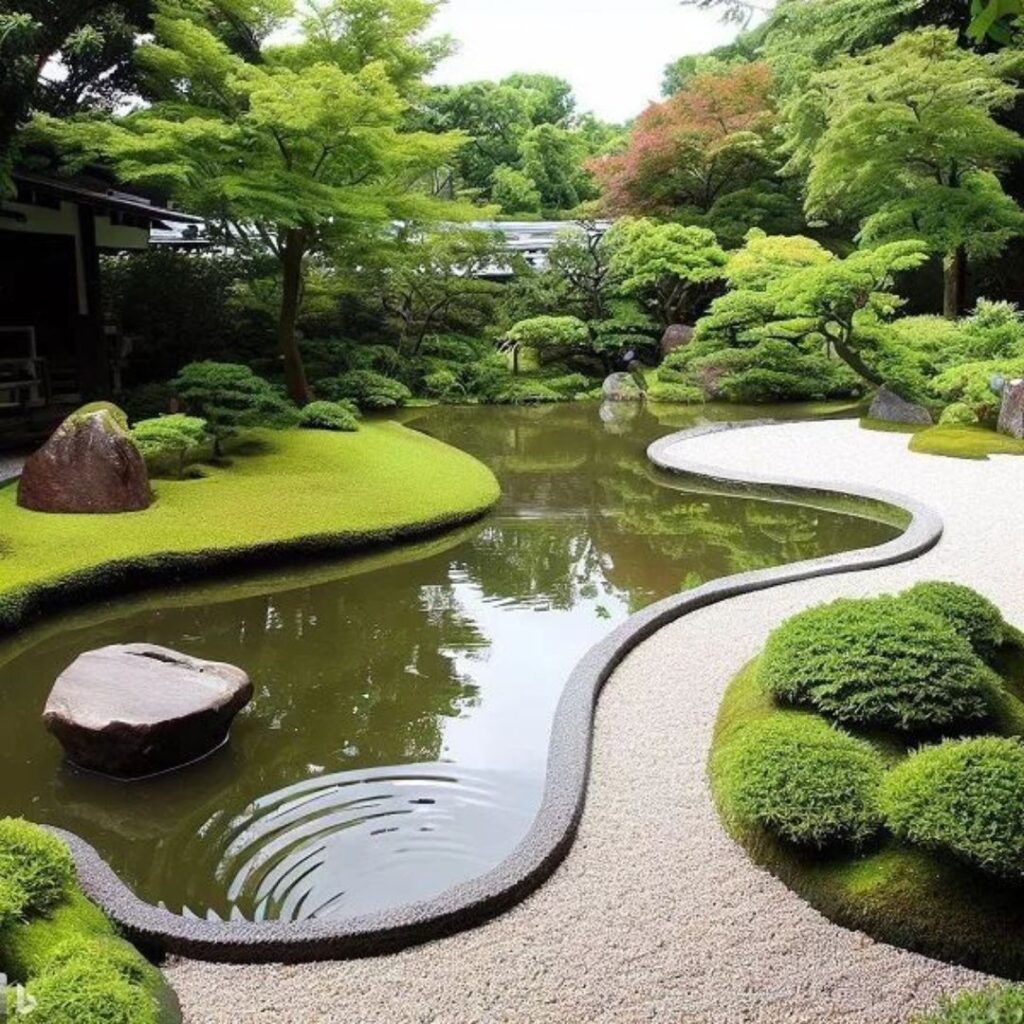
#7. Small Japanese-inspired Backyard Ponds
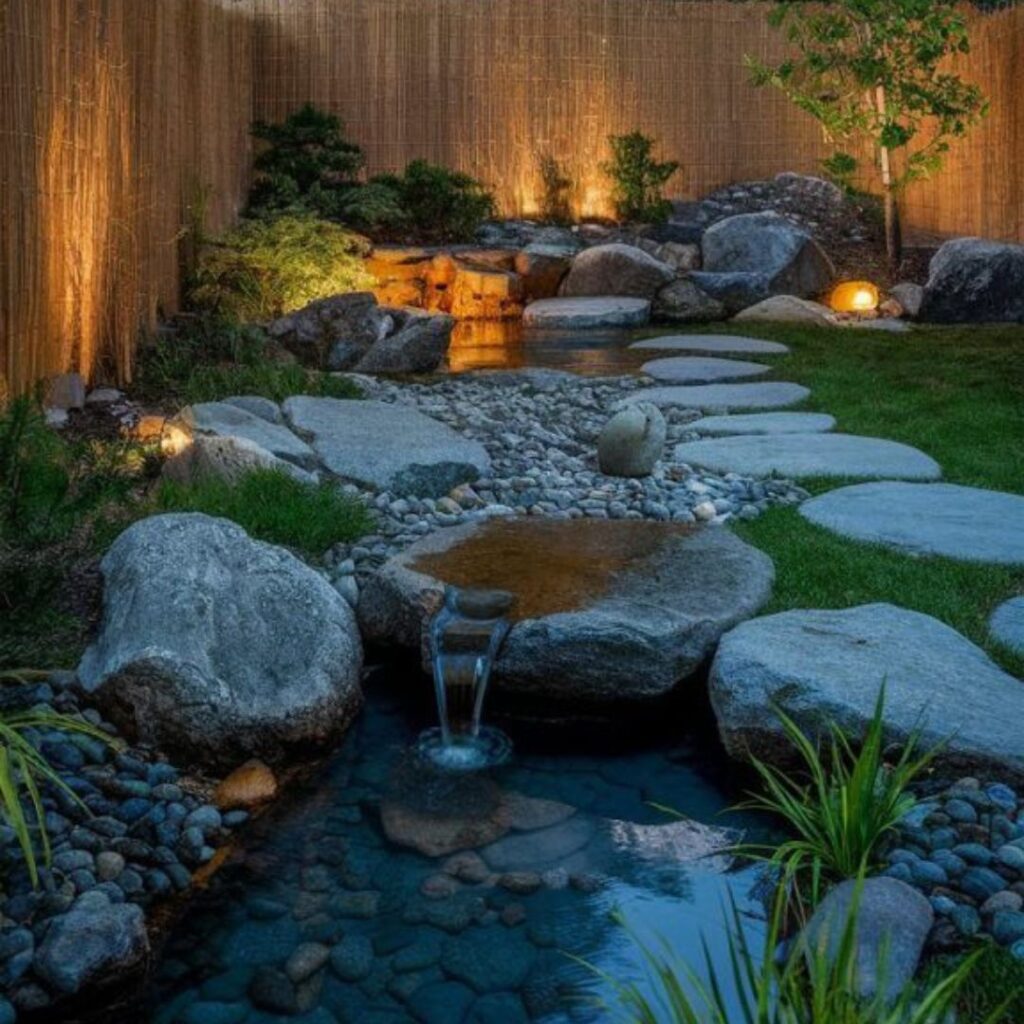
#8. Small Naturalistic Backyard Ponds
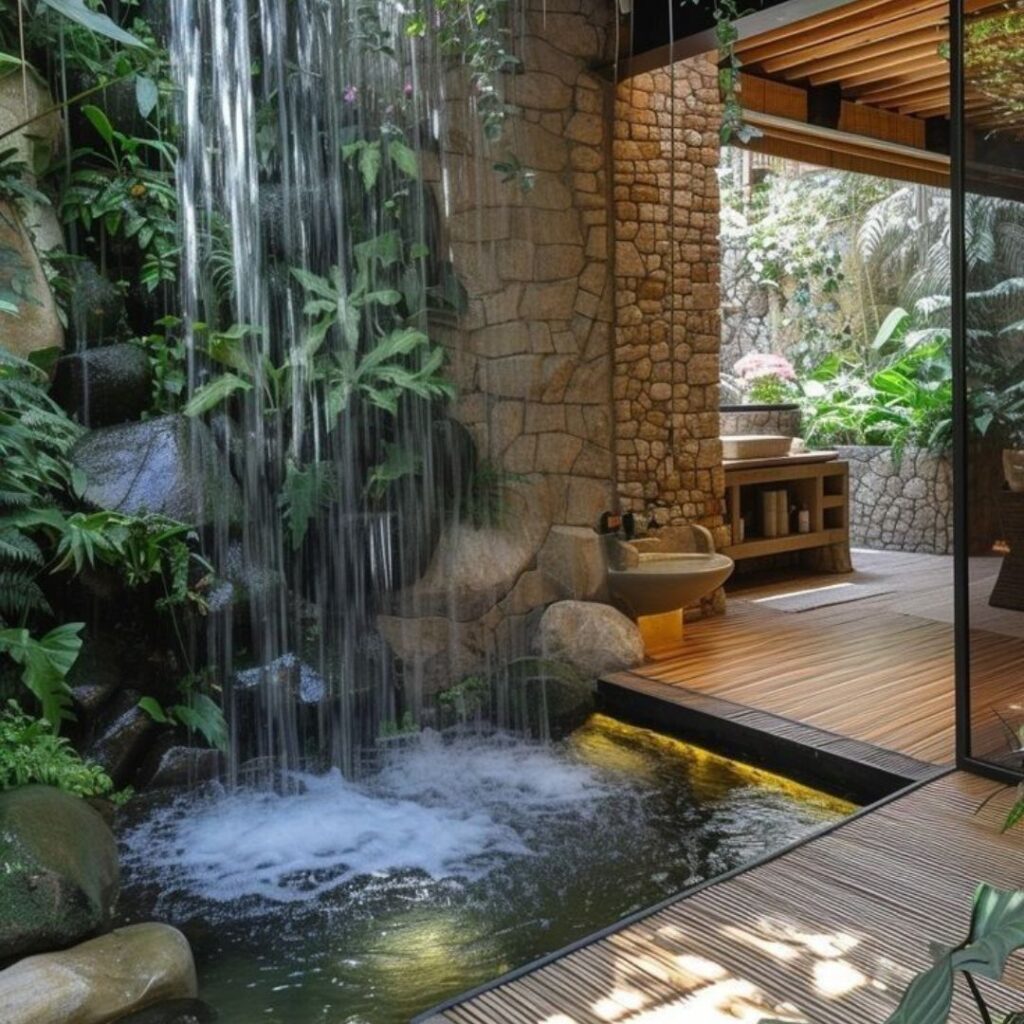
#9. Small Zen Garden Backyard Ponds
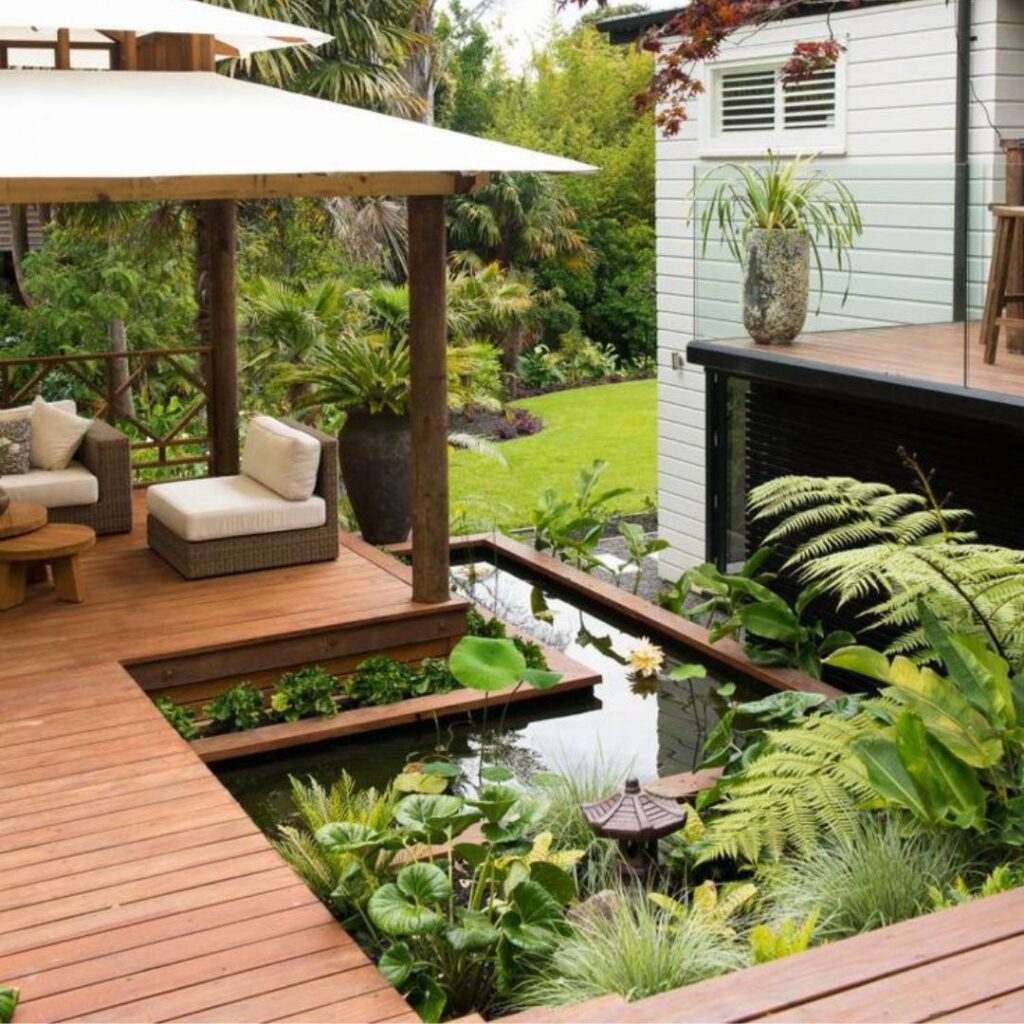
Overview of Small Backyard Ponds
Small backyard ponds attract local wildlife, including birds and butterflies. They provide water for these animals and add beauty to your landscape. Ponds enhance the outdoor experience by creating a serene area for relaxation.
In-ground ponds offer a natural look and customized designs. They require more installation effort but provide a longer-lasting feature for your yard. Above-ground ponds are easier to install and maintain. They suit budget-conscious homeowners and can fit nearly any space. Both options create inviting environments that enrich your backyard.
Benefits of Small Backyard Ponds
Small backyard ponds bring many advantages, enhancing both your landscape and the local environment.
Aesthetic Appeal
Small ponds improve your outdoor space, seamlessly fitting into a minimalist garden by enhancing its tranquil and uncluttered aesthetic. They create a serene and attractive focal point, aligning with the simplicity and functionality of minimalist design.
You can choose from various designs and plants to suit your style. Water movement adds a soothing sound, promoting relaxation. Birds and butterflies frequent ponds, adding life to your garden.
Ecosystem Support
Small ponds support diverse wildlife. They provide habitats for insects, amphibians, and fish. Even a small pond can aid species that face habitat loss. Ponds attract bees, butterflies, and other pollinators, offering them water and shelter. Aquatic plants enhance biodiversity, creating a balanced micro-ecosystem that supports various food chains.
Designing Your Small Backyard Pond
A small backyard pond enhances your outdoor space. Thoughtful design choices make it visually appealing and functional.
Choosing the Right Location
Choose a spot that receives at least five hours of sunlight daily to support plants and fish. Ensure proximity to a water source and electricity for easy maintenance. Consider the views from your home and yard.
Use a mirror to check reflections and find the most attractive position. Avoid areas with overhead trees to reduce leaf litter and don’t place the pond in low-lying spots to prevent flooding.
Selecting Pond Size and Shape
Select a size that fits your yard and meets your needs. Smaller ponds, around 5 to 10 feet in diameter, work well in compact spaces. Larger ponds can exceed 20 feet for more significant impact.
Choose a shape that complements your garden. Natural shapes like ovals or curves blend well, while geometric shapes offer a modern touch. Balance size and shape to create a harmonious look in your landscape.
Maintenance Tips for Small Backyard Ponds
Maintaining a small backyard pond ensures it remains a beautiful and healthy feature in your garden. Regular care keeps the water clean and supports fish and plant health.
Water Quality Management
Check your pond’s water quality frequently, drawing inspiration from cabin weekend inspiration to create a serene and well-maintained outdoor retreat. Test the pH levels, aiming for a range of 6.5 to 8.5, to keep fish and plants healthy. Remove debris like leaves and twigs from the water surface to prevent harmful buildup. Use a filtration system appropriate for your pond’s size to maintain clear water and healthy oxygen levels, ensuring a peaceful escape reminiscent of a cabin getaway.
Plant and Fish Care
Feed your fish regularly with specialized pond food, avoiding overfeeding to prevent water quality issues. Trim plants as needed to control growth and maintain space for fish. Monitor plant health and remove dead or decaying plants quickly to keep the pond environment clean.
Common Challenges with Small Backyard Ponds
Small backyard ponds present several challenges that you may encounter. Understanding these issues can help you maintain a healthy and attractive pond.
Algae Growth
Algae growth commonly affects small ponds. Algae thrive in bright sunlight and nutrient-rich water. Excess nutrients from fish waste and decaying plants encourage algae blooms. To manage algae, maintain a balanced number of fish and incorporate aquatic plants. These plants absorb excess nutrients, helping prevent rapid algae growth.
Wildlife Interactions
Wildlife interactions can pose challenges for your pond. Animals like ducks and raccoons may disturb the pond environment. These creatures can eat fish and uproot plants. To reduce disturbances, create barriers around the pond, like fencing or native plants that provide cover.
This approach helps protect your pond while allowing wildlife to coexist peacefully.