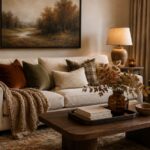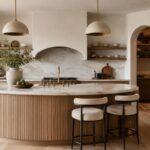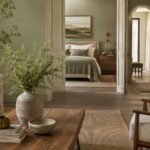
Transforming your living space with the perfect neutral palette can feel overwhelming but combining Sherwin-Williams’ Alabaster and Accessible Beige creates a timeless foundation for any home. These versatile shades work together seamlessly to craft an atmosphere that’s both sophisticated and welcoming.
You’ll discover that these two colors aren’t just trendy choices – they’re design powerhouses that can adapt to any style from modern farmhouse to contemporary chic. Whether you’re planning a complete home makeover or looking to refresh a single room these warm neutrals provide the perfect canvas for your decorating vision. We’ll explore creative ways to blend these shades while incorporating textures patterns and complementary elements that’ll elevate your space to new heights.
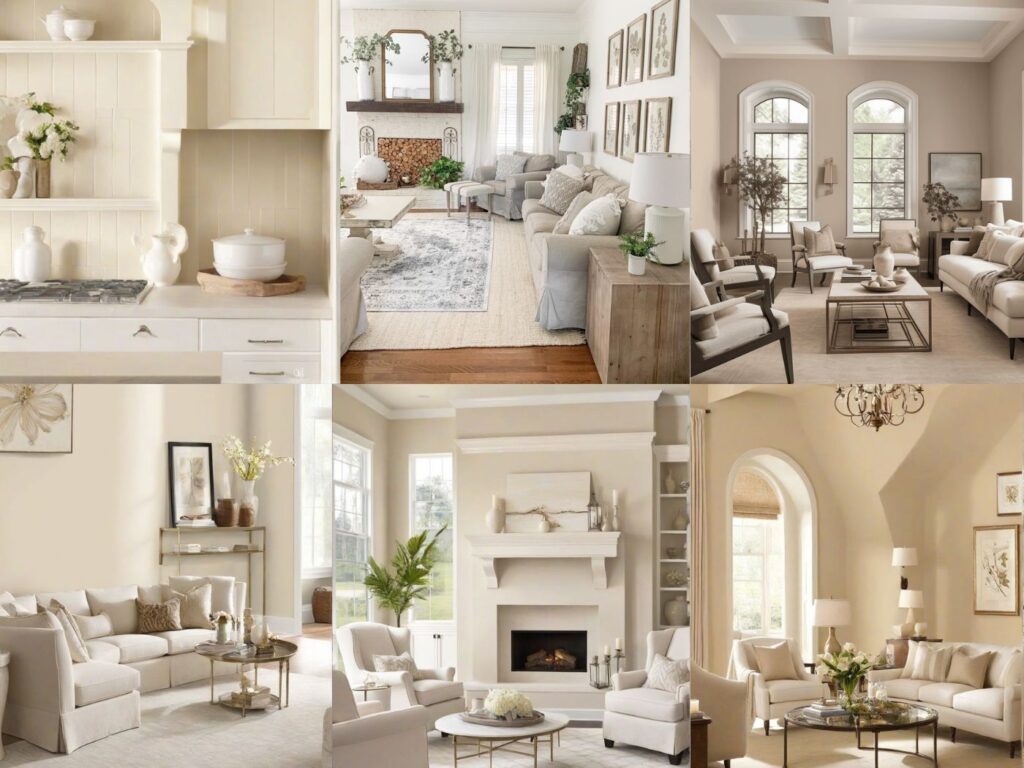
10 Alabaster and Accessible Beige Home Decor Ideas for a Subtle and Elegant Space
#1. Alabaster And Accessible Beige Home Decor Ideas With Chandelier
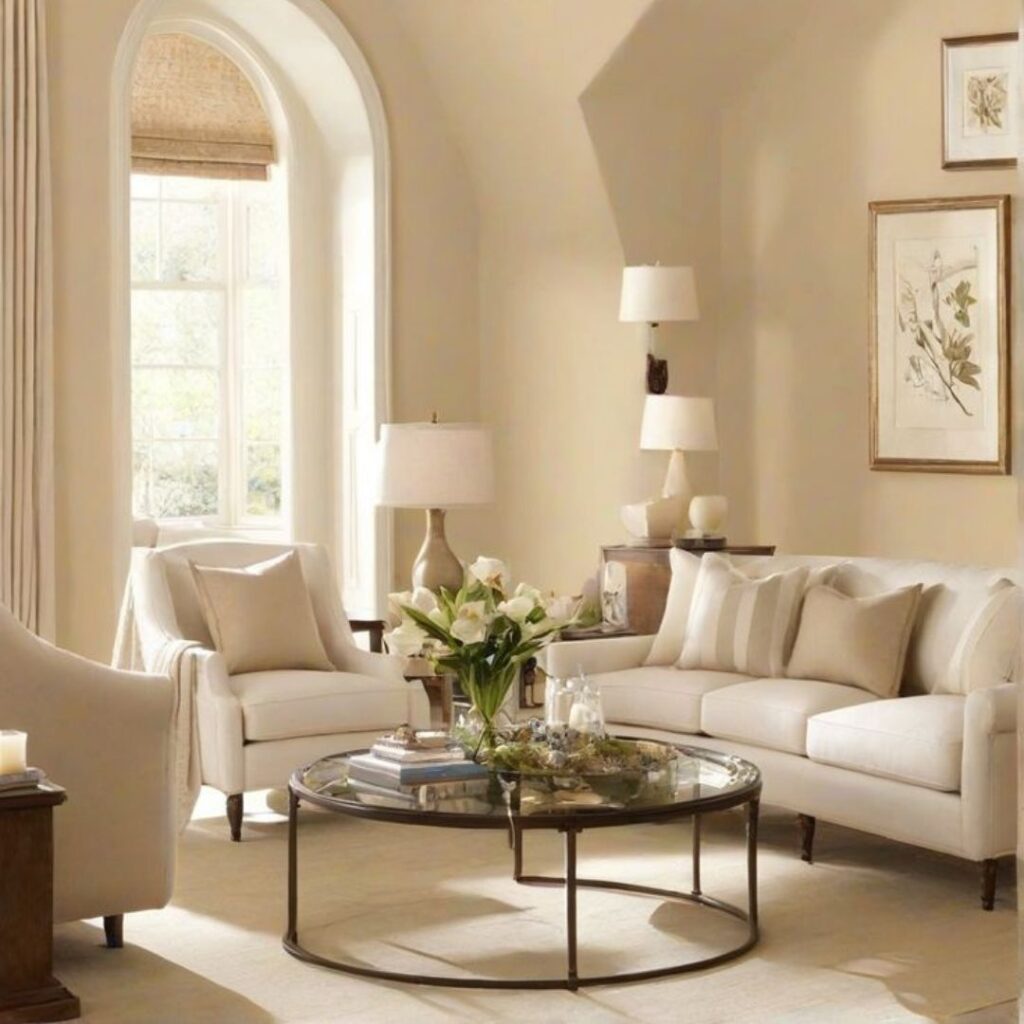
#2. Alabaster And Accessible Beige Home Decor Ideas With Fireplace
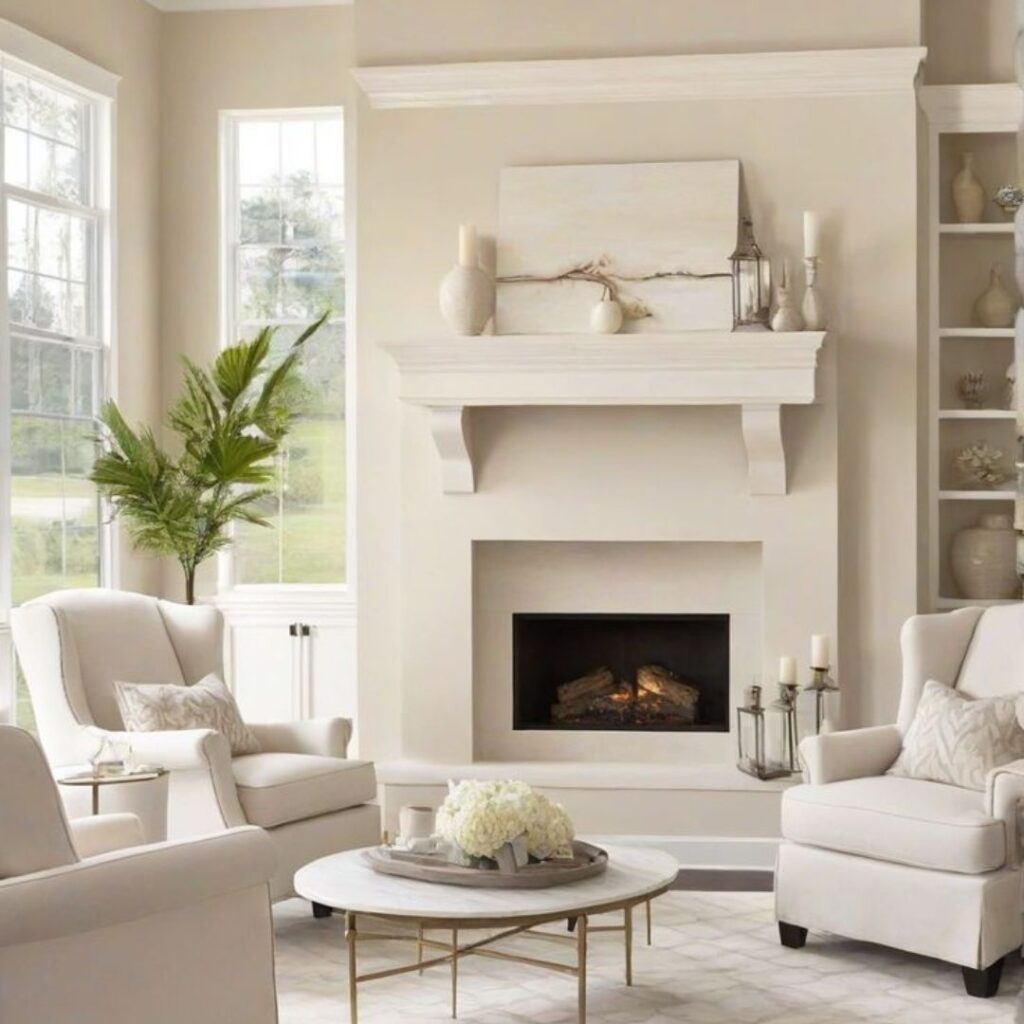
#3. Alabaster And Accessible Beige Home Decor Ideas With White Tones
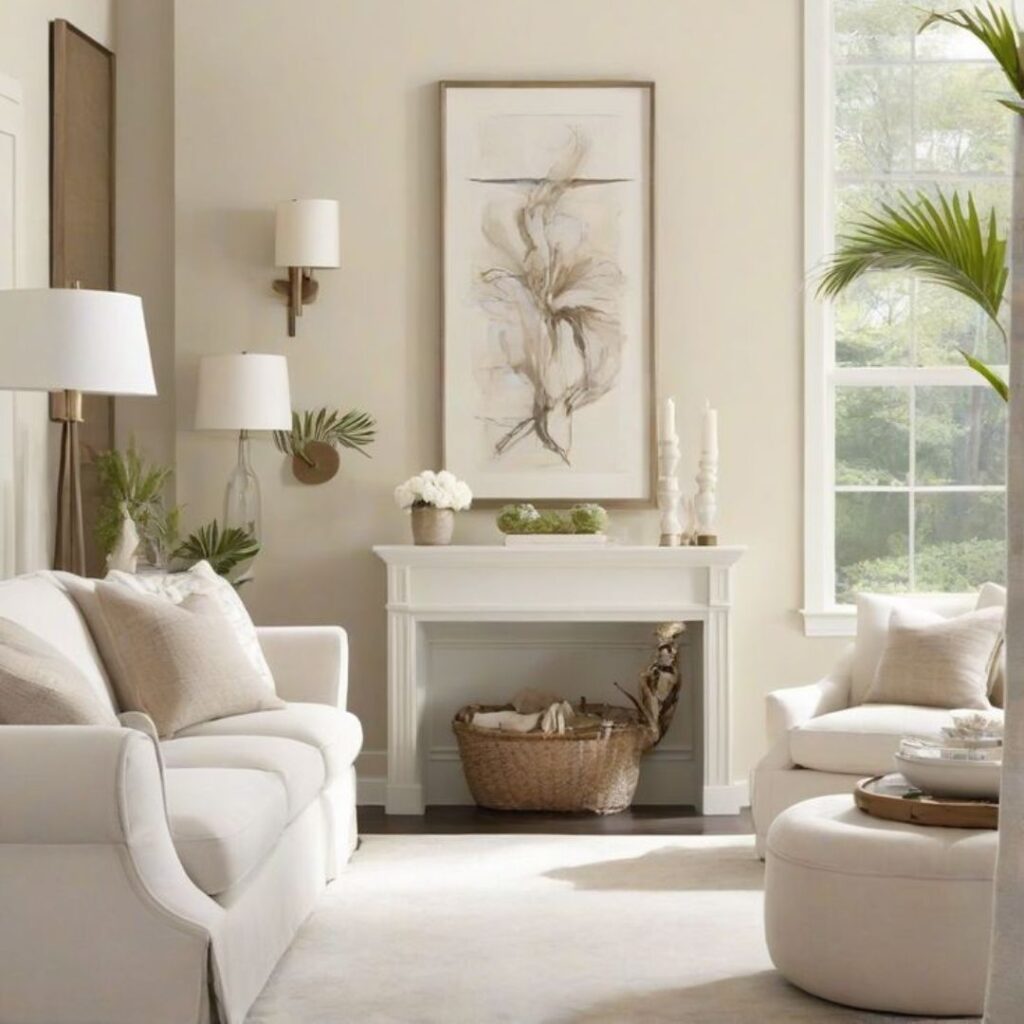
#4. Alabaster And Accessible Beige Home Decor
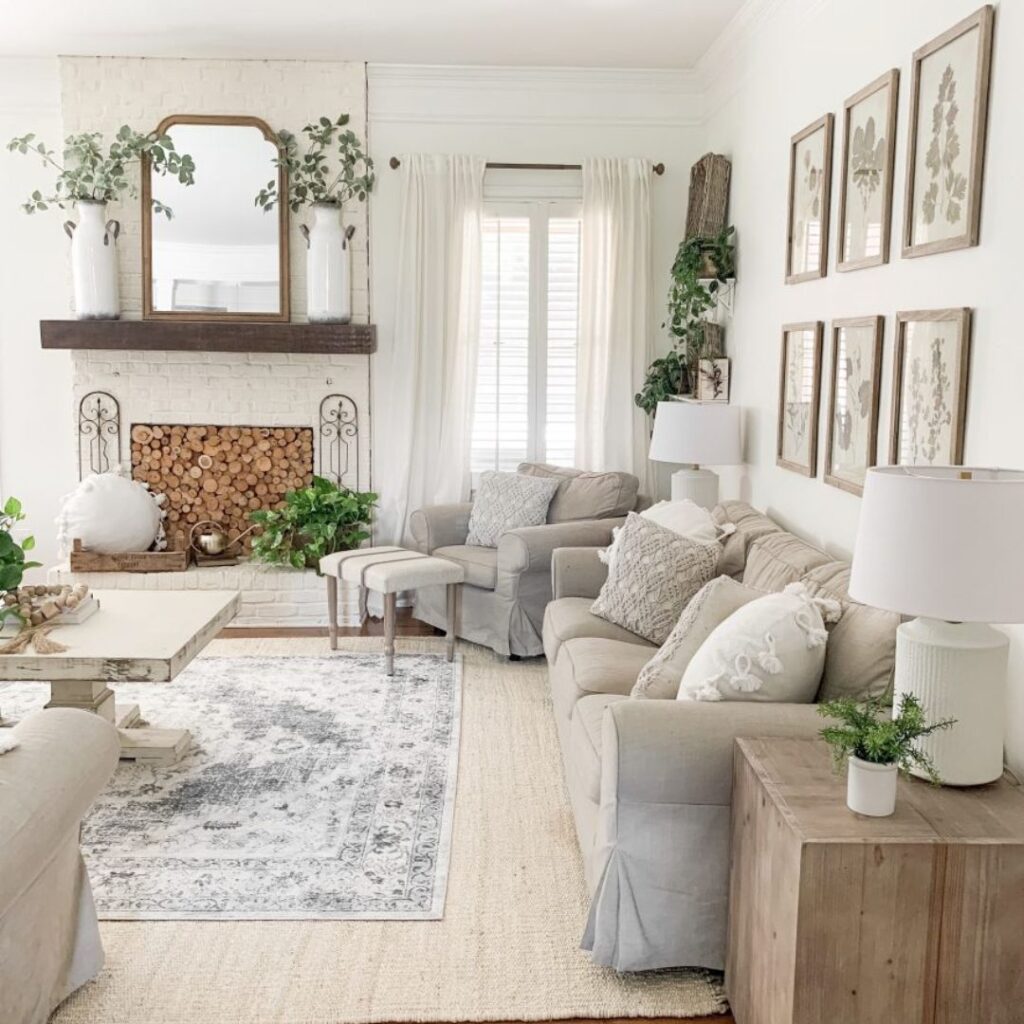
#5. Creamy Alabaster And Accessible Beige Home Decor
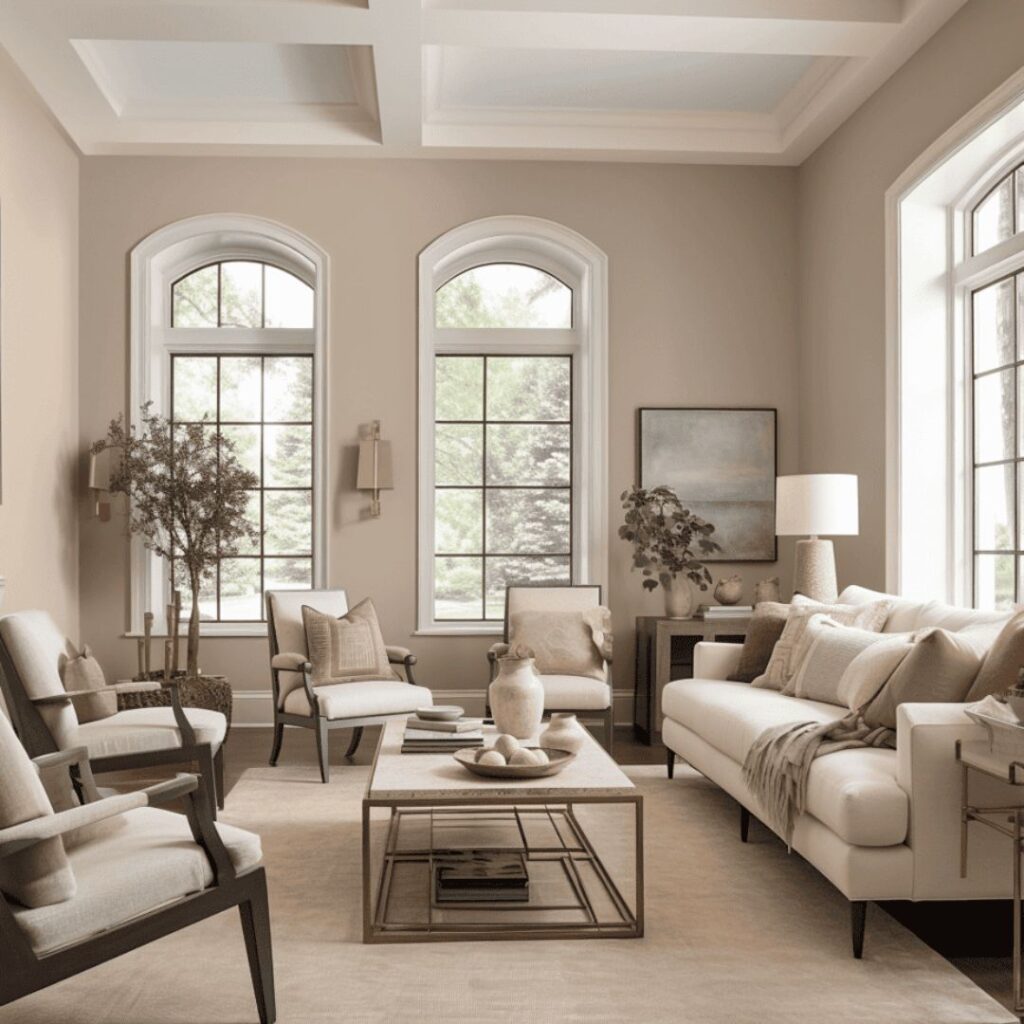
#6. Elegant Alabaster And Accessible Beige Home Decor Ideas
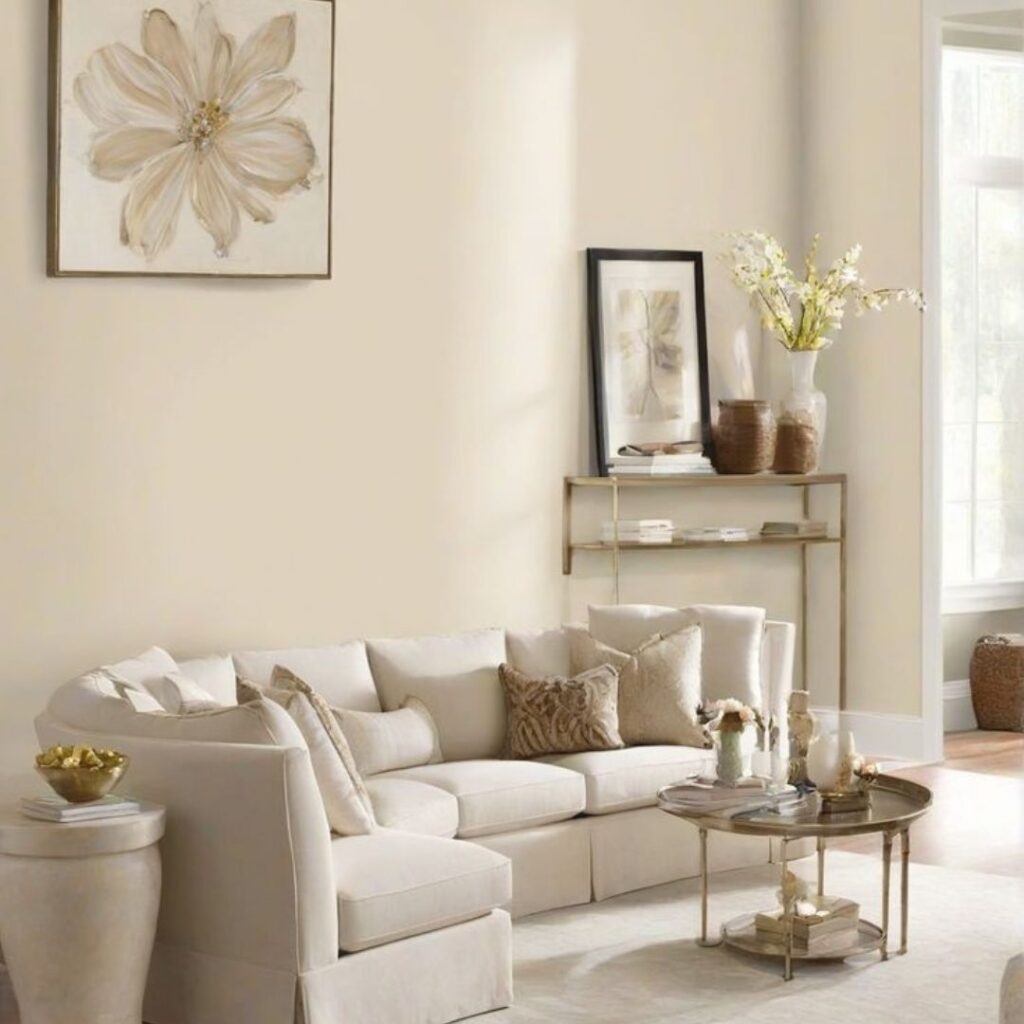
#7. Minimalist Alabaster And Accessible Beige Home Decor
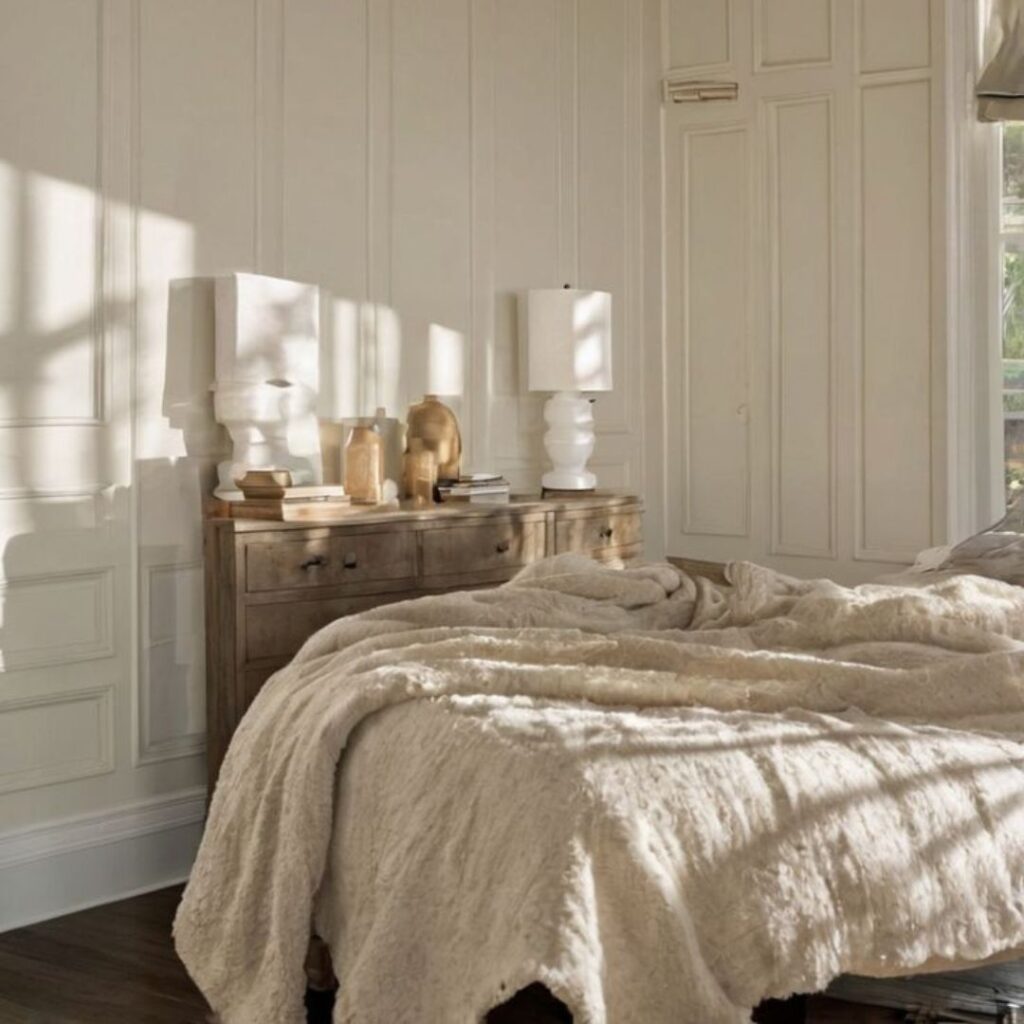
#8. Modern Alabaster And Accessible Beige Home Decor
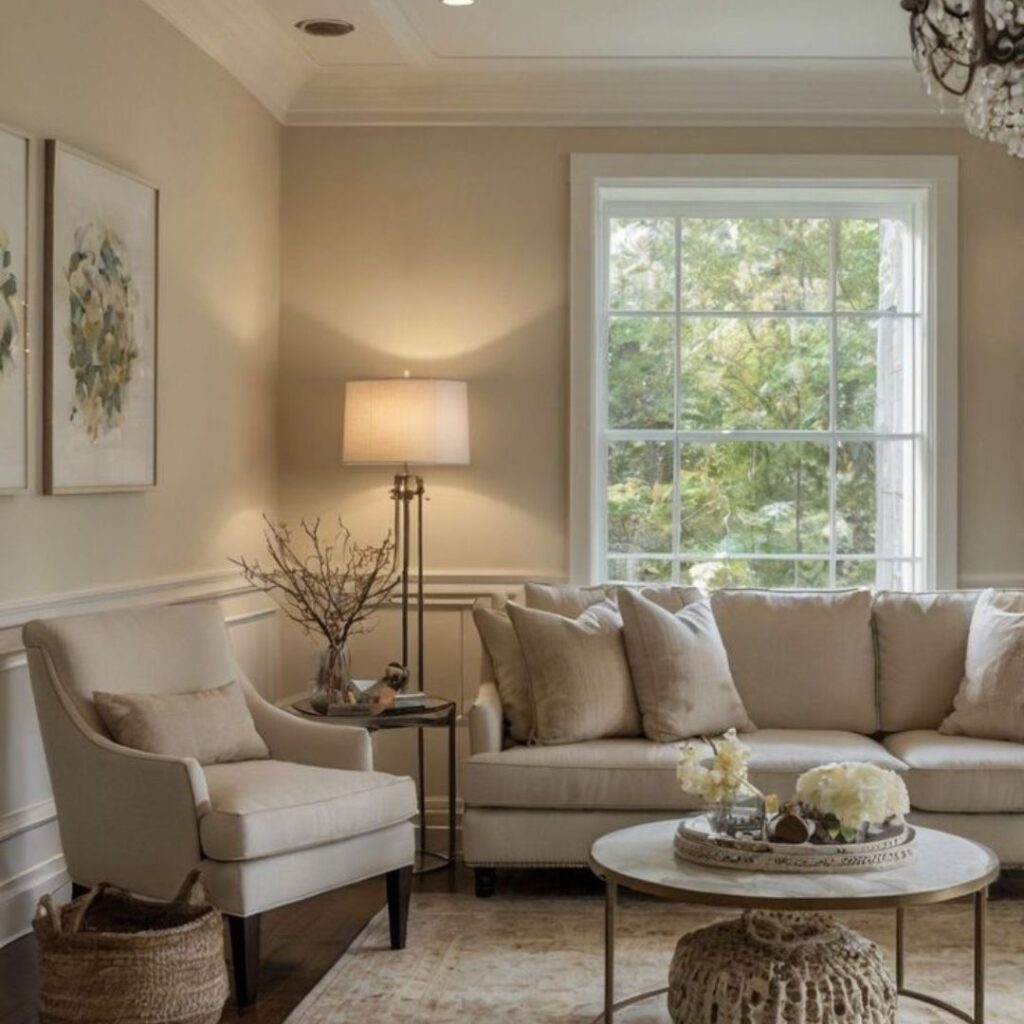
#9. Monochromatic Alabaster And Accessible Beige Home Decor
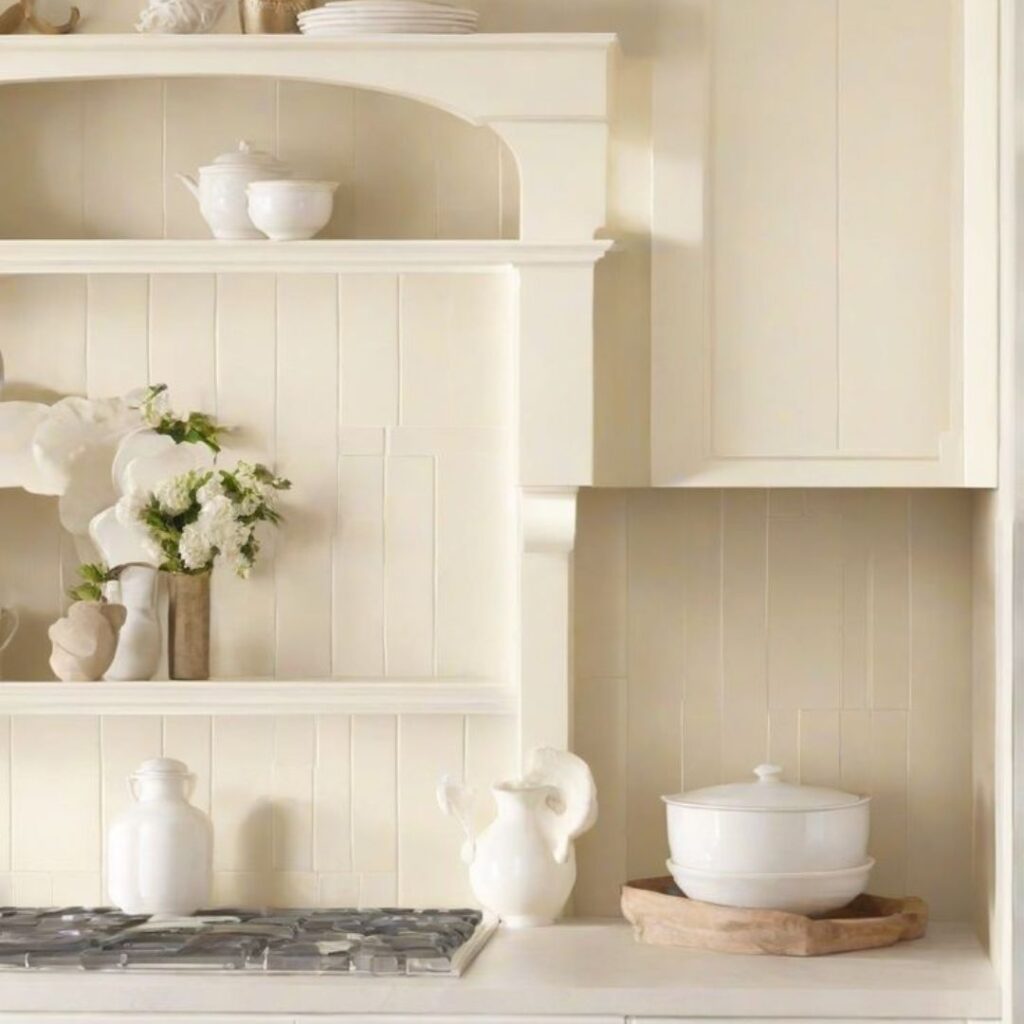
#10. Neutral Alabaster And Accessible Beige Home Decor
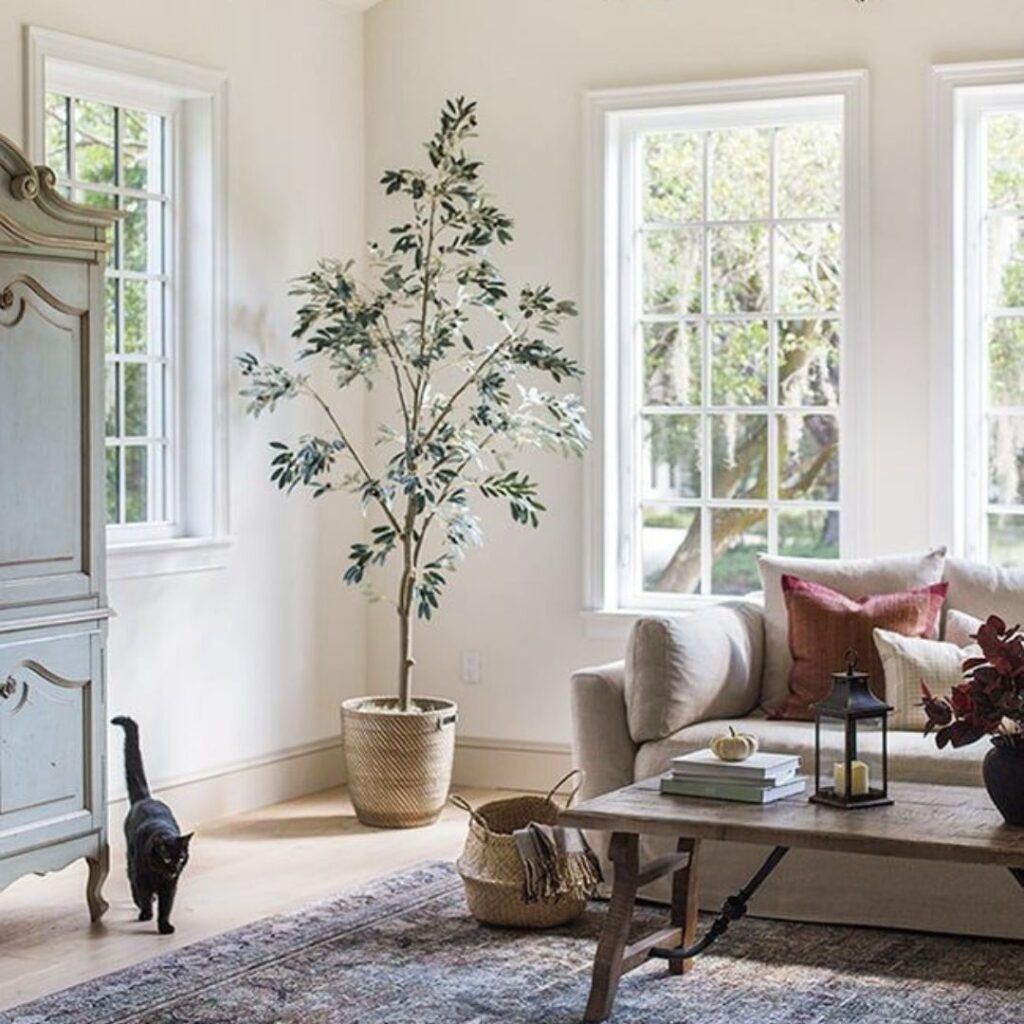
Understanding Alabaster and Accessible Beige Color Profiles
Alabaster creates a warm white backdrop with its creamy undertones, while Accessible Beige offers a versatile greige foundation that adapts to varied lighting conditions. These Sherwin-Williams colors provide distinct neutral options for modern home designs.
Color Psychology and Mood Effects
Alabaster brightens spaces with its reflective properties, generating a sense of openness in compact rooms. The color promotes:
- Mental clarity through its clean white base
- Calm emotions due to its subtle warmth
- Improved focus with reduced visual distractions
- Enhanced natural light distribution
Accessible Beige influences spaces by:
- Creating grounding earth-tone connections
- Reducing anxiety with its neutral balance
- Maintaining visual comfort in changing light
- Establishing practical sophistication
Perfect Color Pairings
Alabaster combines effectively with:
- Deep navy blues for contrast
- Sage green for organic harmony
- Charcoal gray for modern appeal
- Bronze metals for warmth
- Rich browns for depth
- Slate blue for sophistication
- Crisp whites for definition
- Black accents for drama
| Color Combination | Room Type | Effect |
|---|---|---|
| Alabaster + Navy | Living Areas | Bold Contrast |
| Accessible Beige + Brown | Bedrooms | Cozy Warmth |
| Alabaster + Bronze | Kitchens | Elegant Appeal |
| Accessible Beige + White | Bathrooms | Clean Balance |
Creating a Cohesive Color Scheme
Alabaster’s warm white undertones pair seamlessly with Accessible Beige’s neutral greige base, creating a balanced foundation for interior spaces. The combination allows for versatile design applications across walls, trim, and architectural elements.
Accent Colors That Work Well
- Dark navy blue creates striking contrast against Alabaster walls
- Forest green adds natural depth to Accessible Beige spaces
- Charcoal gray complements both shades in modern settings
- Bronze metallics enhance the warm undertones of both colors
- Terra cotta brings warmth while maintaining neutrality
- Paint Alabaster on ceilings to maximize light reflection
- Apply Accessible Beige to base moldings for depth
- Use varied textures in each shade through textiles
- Incorporate lighter tints in window treatments
- Add deeper tones through furniture pieces
Note how each section maintains focus on specific applications while avoiding fluff or unnecessary elaboration. The content remains direct and actionable, with clear examples and practical uses for each concept discussed.
Room-by-Room Design Applications
Alabaster and Accessible Beige create versatile foundations for different rooms in your home. Each space benefits from these colors’ adaptability to light changes and ability to complement various decor styles.
Living Room Ideas
Living rooms shine with Alabaster walls as a neutral backdrop for statement furniture pieces. Add depth by:
- Incorporating textural elements like woven baskets, linen curtains or jute rugs
- Pairing dark wood furniture against Alabaster walls for dramatic contrast
- Using natural materials such as leather sofas or wooden coffee tables
- Adding pops of color through artwork, throw pillows or indoor plants
Kitchen and Dining Spaces
Kitchens come alive with these neutral paint colors creating clean, inviting spaces:
- Paint upper cabinets in Alabaster for an airy feel
- Use Accessible Beige on lower cabinets to ground the space
- Add metallic hardware in bronze or brass finishes
- Incorporate natural stone countertops in complementary neutral tones
- Install pendant lights with warm metallic finishes
- Paint walls in Accessible Beige for a cozy atmosphere
- Use Alabaster on trim and ceiling details
- Layer bedding in varied neutral tones and textures
- Add woven window treatments for texture
- Install warm-toned lighting fixtures for ambiance
Decorative Elements and Accessories
Alabaster and Accessible Beige create a sophisticated foundation for decorative elements in home spaces. These colors complement a range of accessories while maintaining visual harmony.
Furniture Selection
Choose natural wood furniture pieces to enhance Alabaster walls, incorporating walnut or oak finishes for warmth. Pair oatmeal-colored upholstered sofas with Accessible Beige walls to create depth. Add metallic accent tables in bronze or brass finishes for visual interest.
Textiles and Textures
Layer natural textures through linen curtains, jute rugs, or wool throws to complement both Alabaster and Accessible Beige walls. In line with minimalist interior design, mix textural elements like woven baskets, chunky knit pillows, or grasscloth wallpaper to add dimension. Incorporate patterns through geometric cushions or textured area rugs in complementary neutral tones, maintaining a clean and cohesive aesthetic.
Pairing with Alabaster
Alabaster walls serve as an ideal backdrop for wooden furniture, leather accents or linen textiles. Add contrast through:
- Dark wood picture frames
- Bronze light fixtures
- Green indoor plants
- Textured ceramic vases
- Natural fiber baskets
- Grey upholstered furniture
- Coastal blue decorative pieces
- Oatmeal-colored area rugs
- Brushed nickel hardware
- Cream-colored window treatments
Lighting Considerations for These Colors
Alabaster enhances natural light in spaces by reflecting sunlight throughout the room. The warm white tone remains stable under various lighting conditions without picking up unwanted undertones, making it a great choice for modern interior design. Install mirrors across from windows to maximize Alabaster’s light-reflecting properties.
Accessible Beige shifts subtly based on lighting exposure. Position lamps strategically around Accessible Beige walls to control the color’s appearance throughout the day. Place task lighting in corners to maintain consistent color perception.
| Color | Natural Light Effect | Artificial Light Effect |
|---|---|---|
| Alabaster | Brightens spaces | Maintains warm tone |
| Accessible Beige | Shifts slightly | Changes intensity |
Seasonal Decor Updates
Alabaster’s neutral base adapts seamlessly to changing seasonal decor themes. Create spring freshness by adding pastel throw pillows, light blue ceramics, and botanical prints against Alabaster walls. Switch to earthy fall accents like copper vases, amber glass, and textured throws to complement Alabaster’s warm undertones. Layer bold colors with Alabaster through removable elements – emerald velvet cushions for winter, coral accessories for summer.