

Imagine stepping into a serene oasis where every plant, stone, and pathway has a purpose. A minimalist garden strips away the clutter, allowing nature’s beauty to shine through while creating a peaceful retreat right in your backyard. If you’ve ever felt overwhelmed by the demands of traditional gardening, a minimalist approach could be the refreshing solution you need.
This style emphasizes simplicity, clean lines, and thoughtful design. It invites you to focus on what truly matters—creating a space that promotes relaxation and mindfulness. With just a few carefully chosen elements, you can transform your outdoor area into a harmonious environment that reflects your personal style and enhances your well-being.
Ready to explore how to cultivate your own minimalist garden? Let’s dive in and discover the essentials that will help you create your ideal space.
10 Minimalist Garden Ideas for a Clean and Serene Outdoor Space
#1. Asian Minimalist Garden
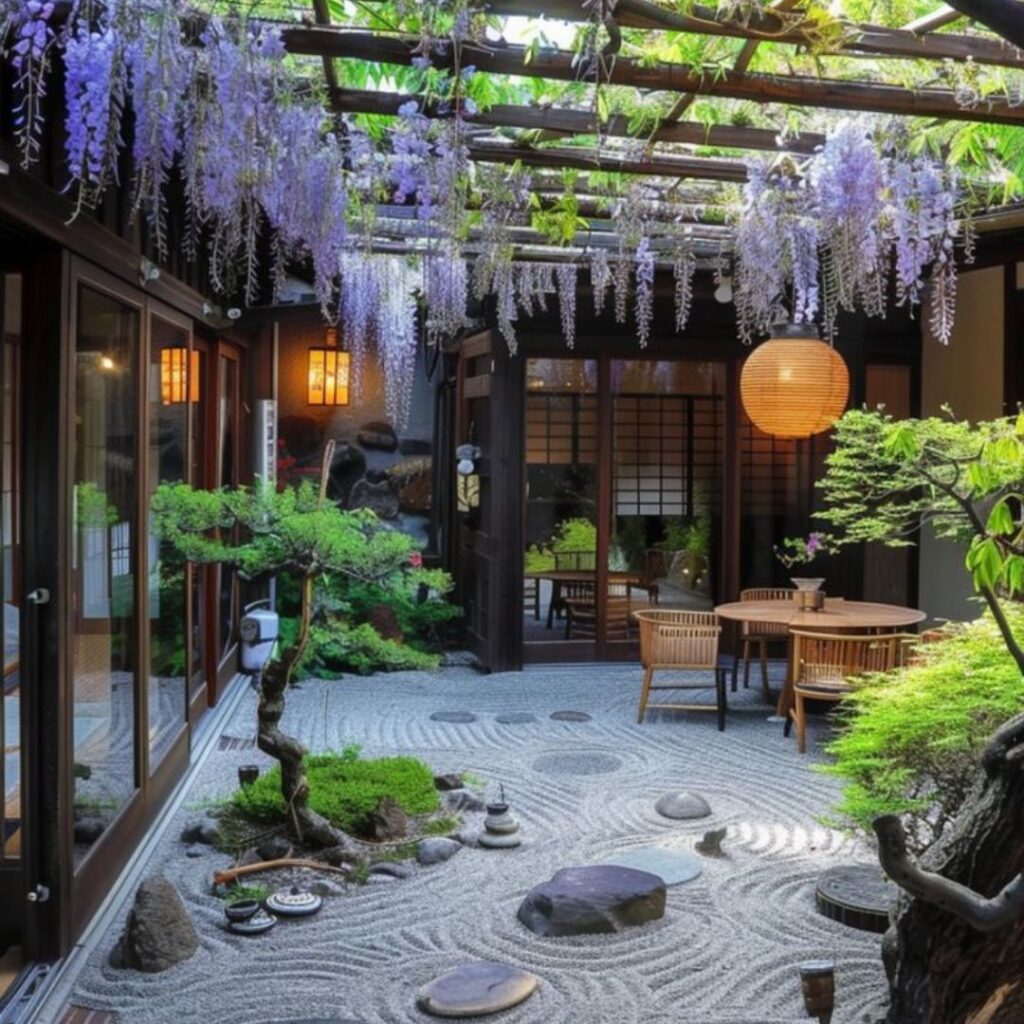
#2. Cottage Minimalist Garden
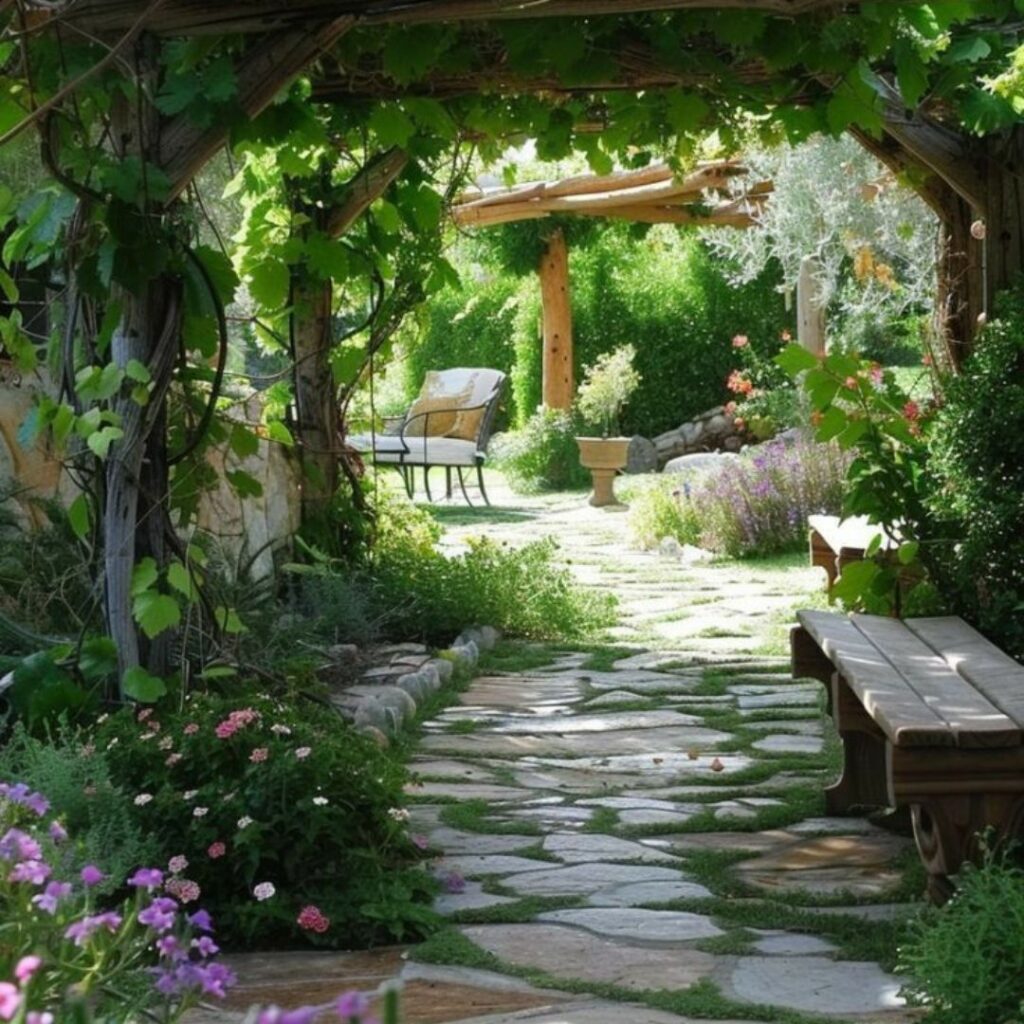
#3. Cozy Minimalist Garden
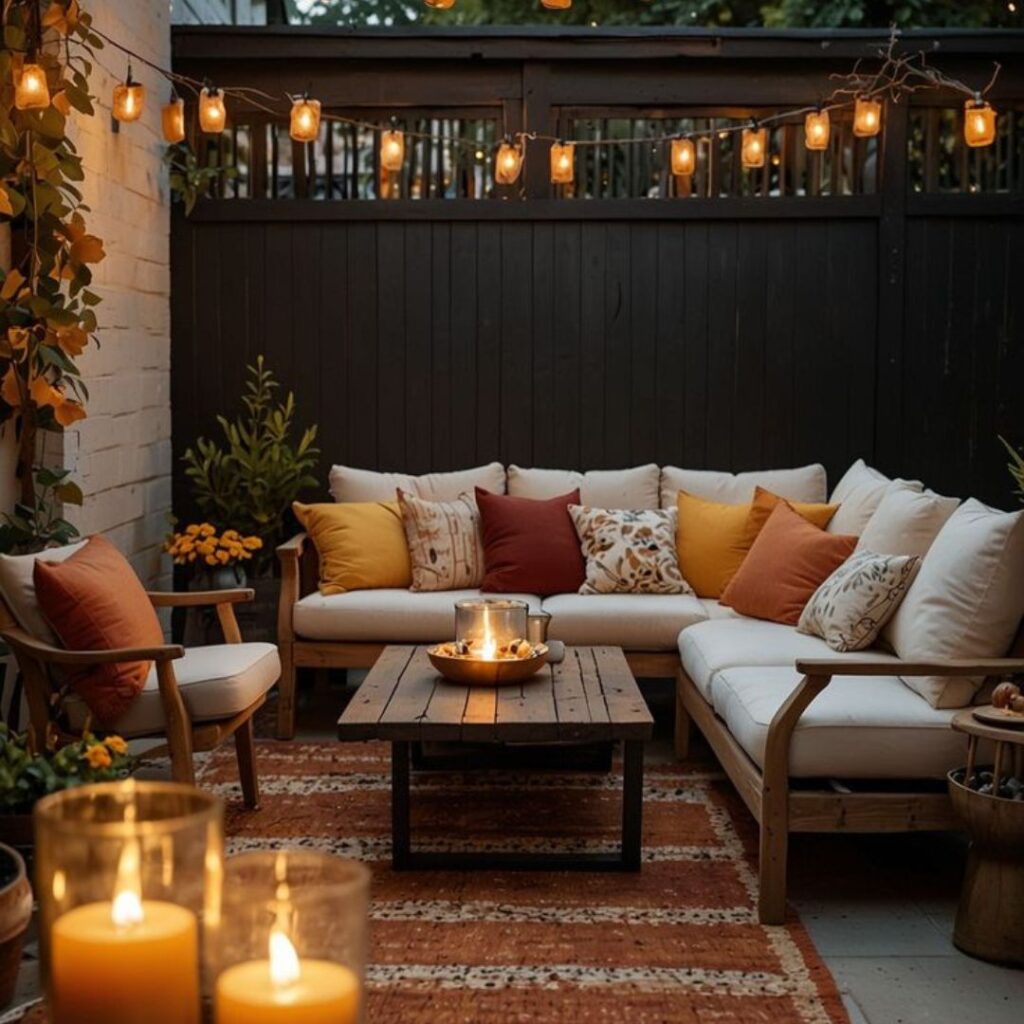
#4. Japandi Minimalist Garden
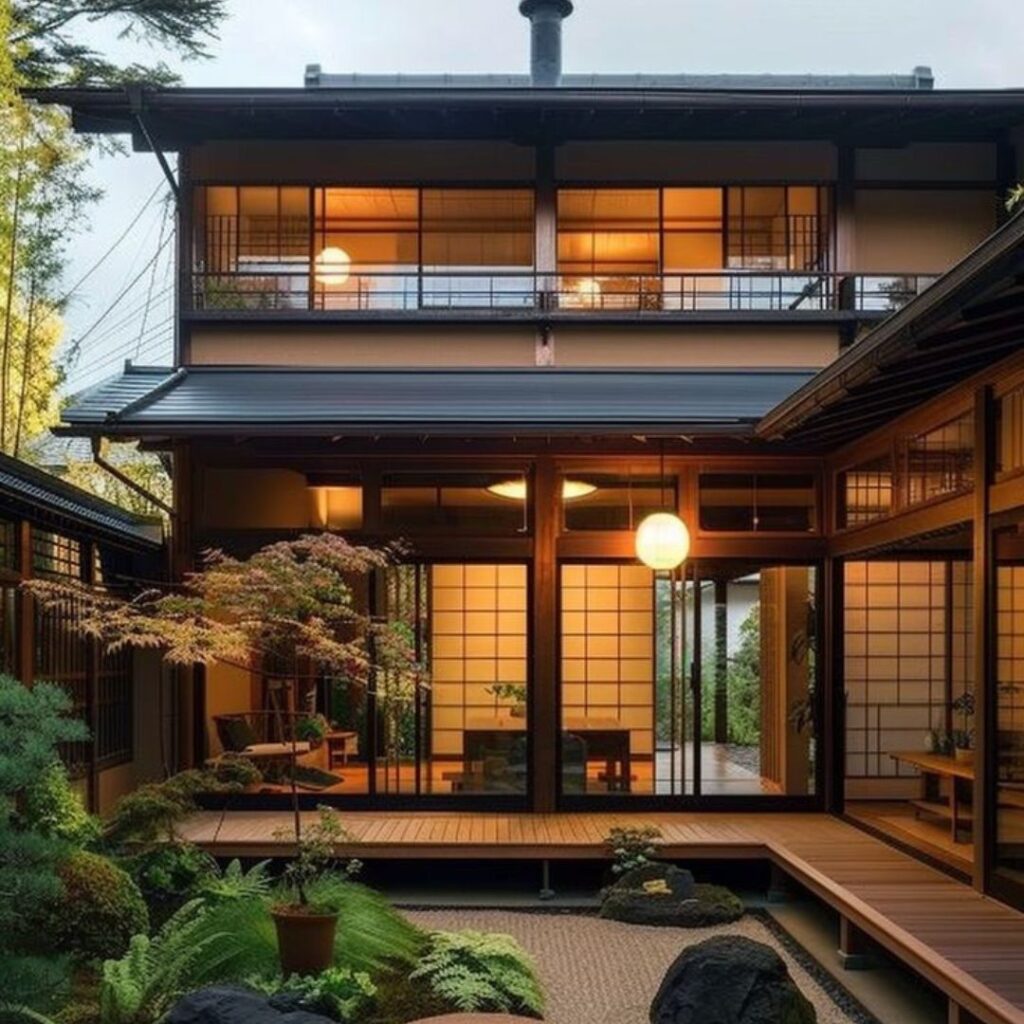
#5. Mediterranean Minimalist Garden
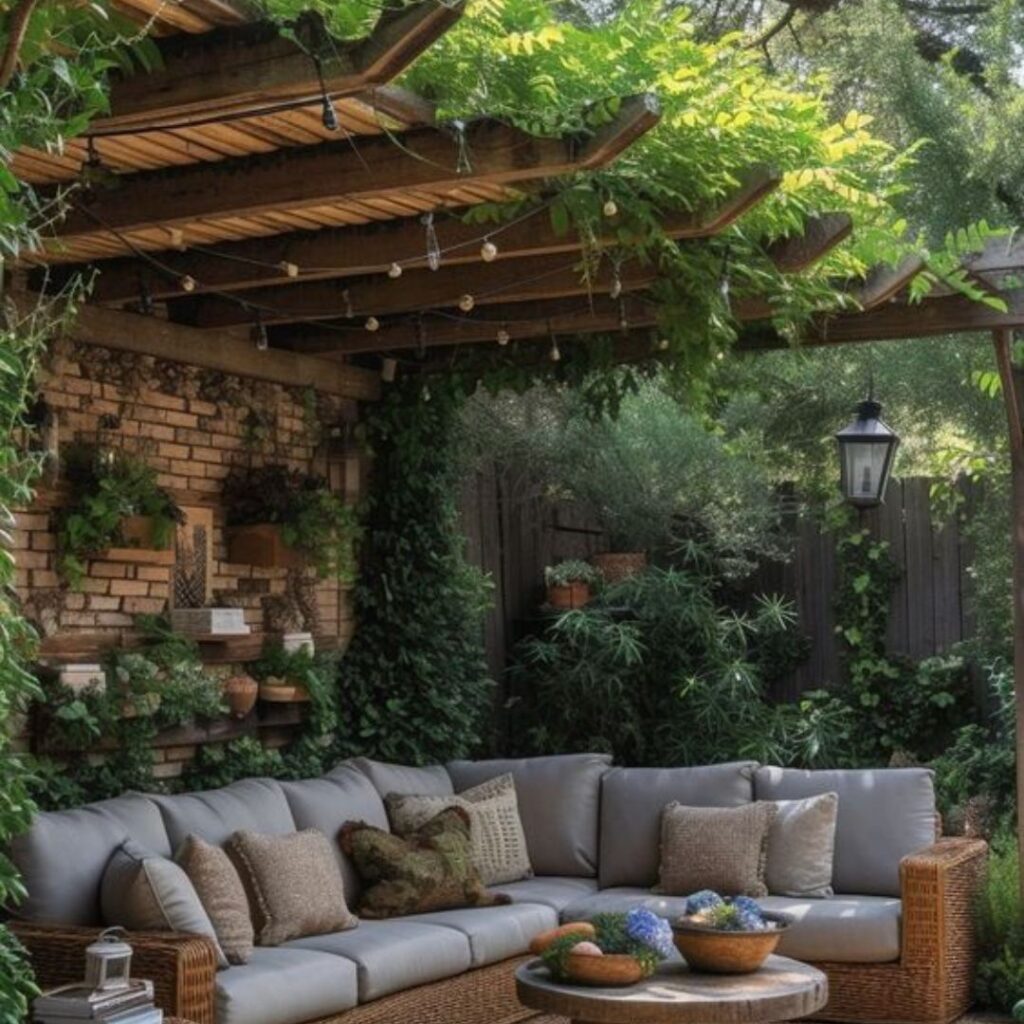
#6. Minimalist Garden With Brick Wall
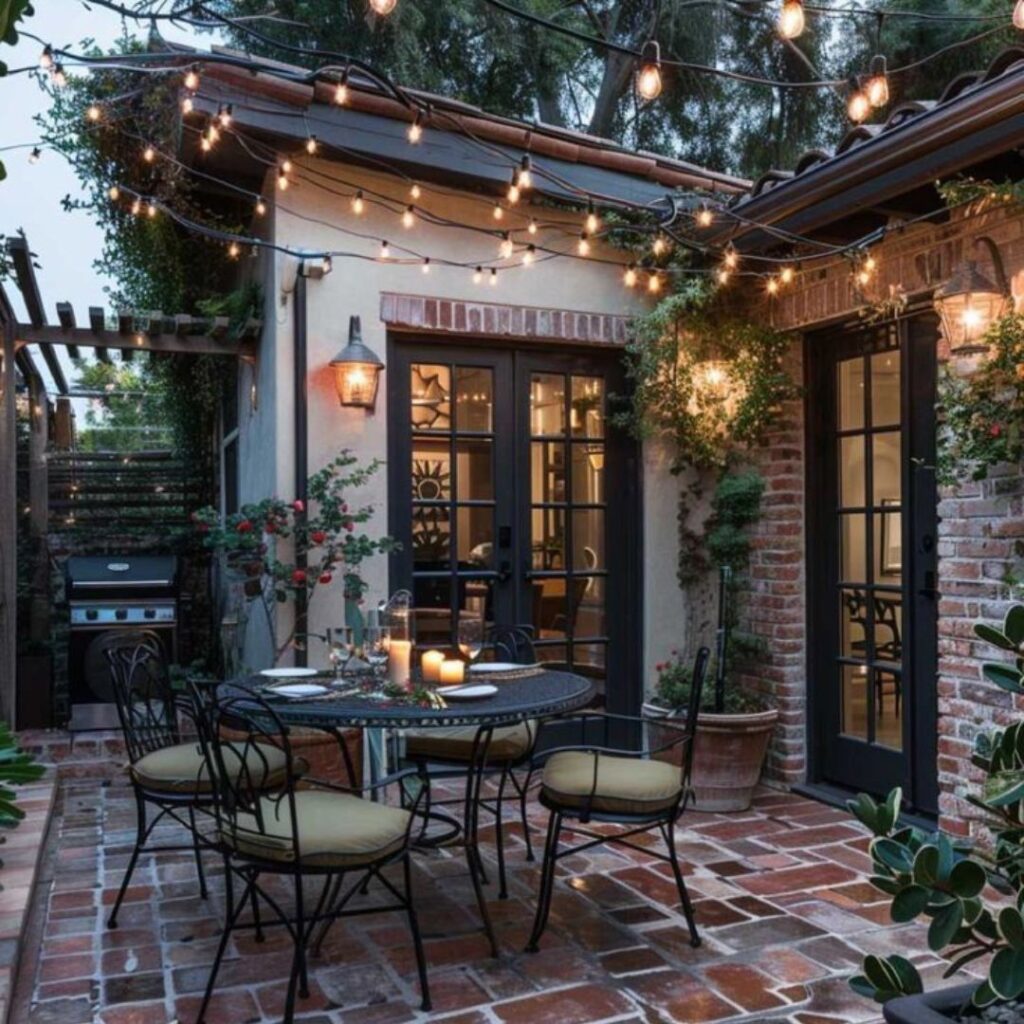
#7. Romantic Minimalist Garden
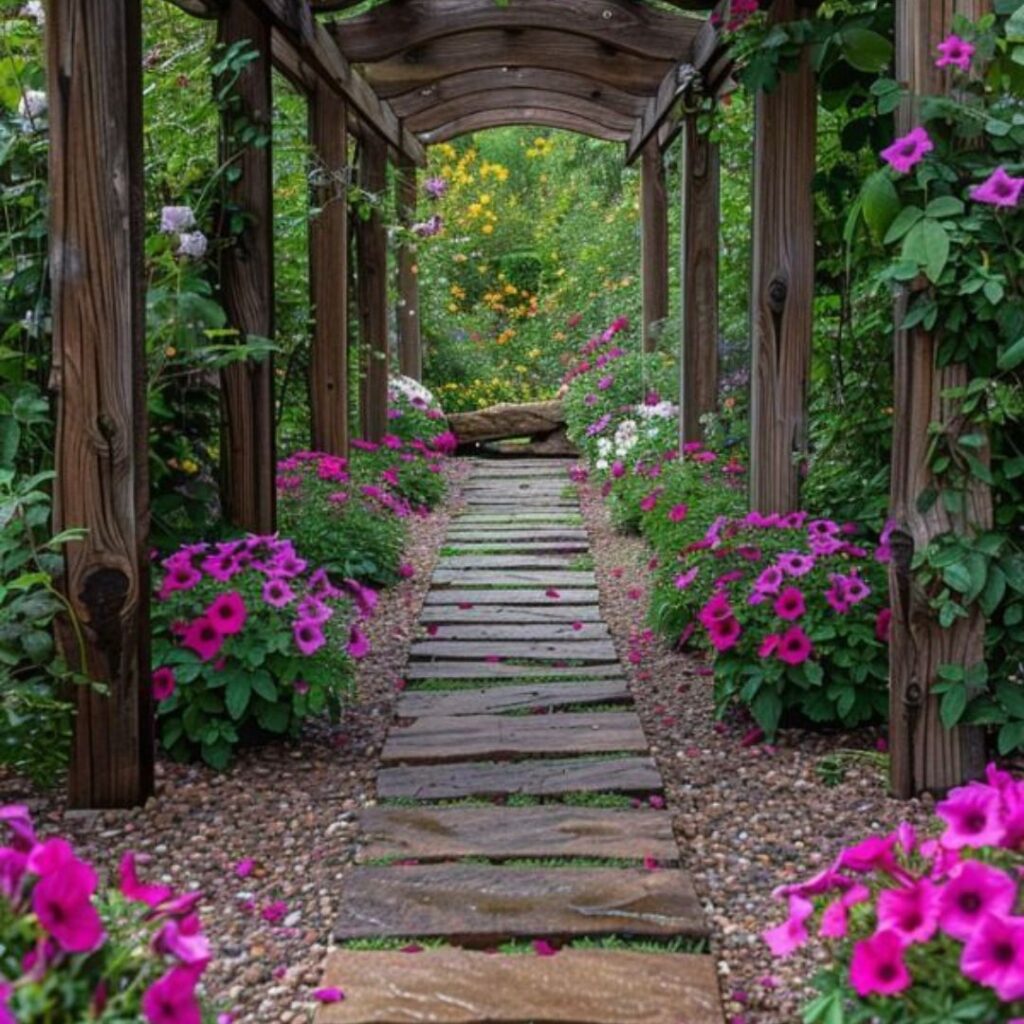
#8. Rustic Minimalist Garden
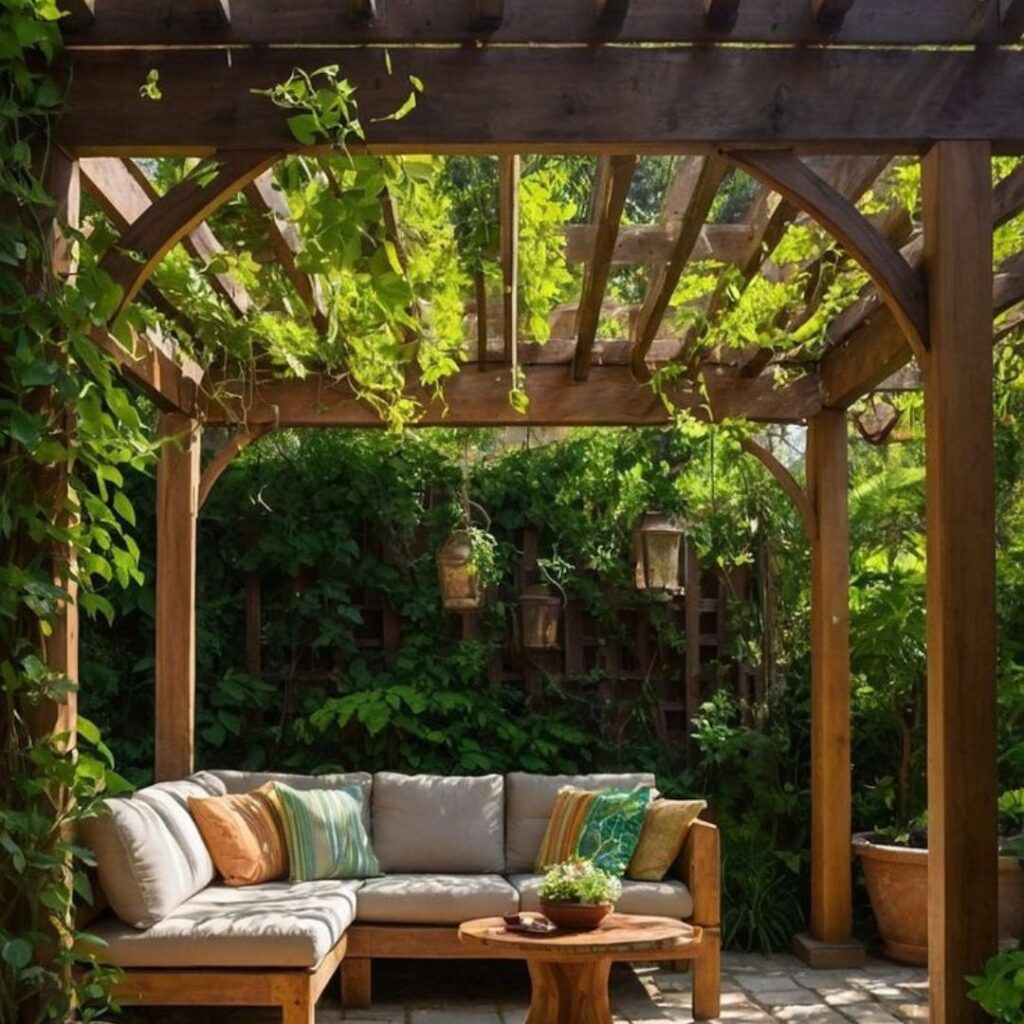
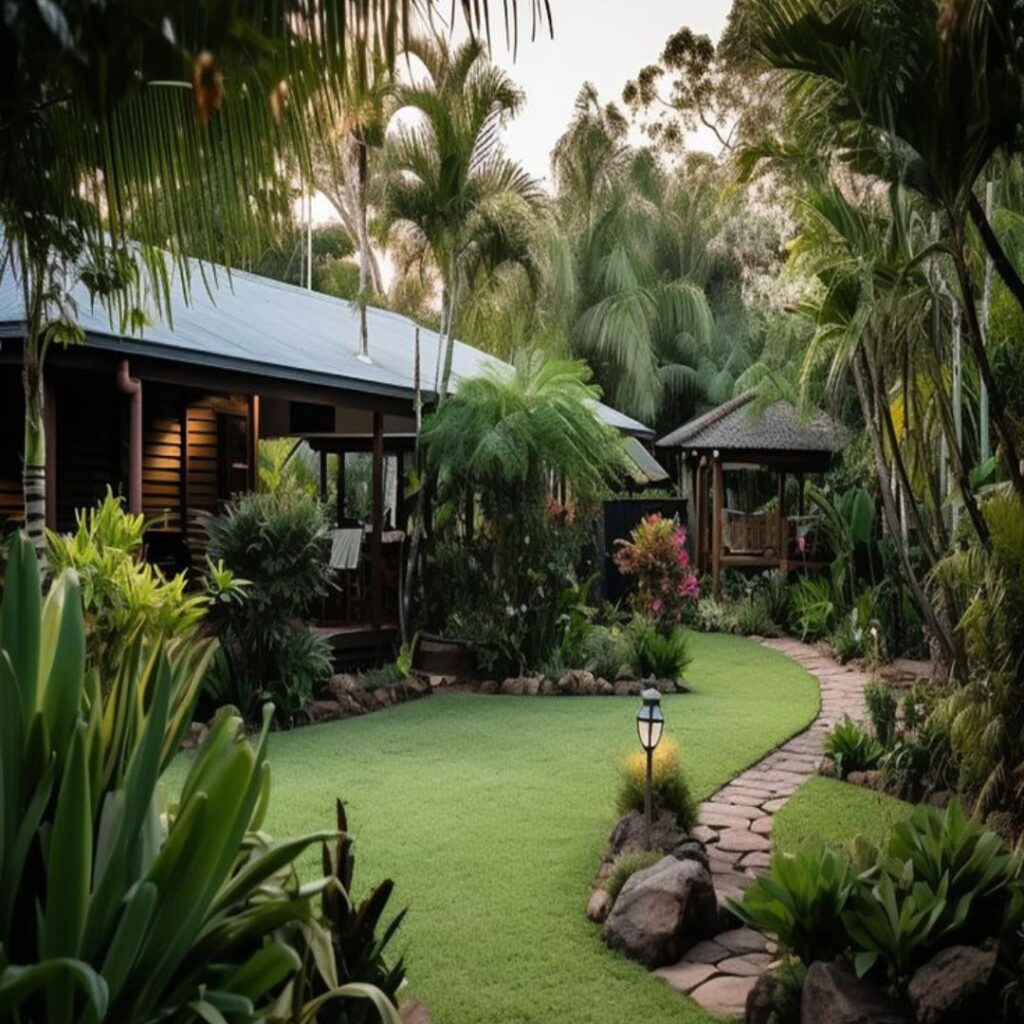
#9. Tropical Minimalist Garden
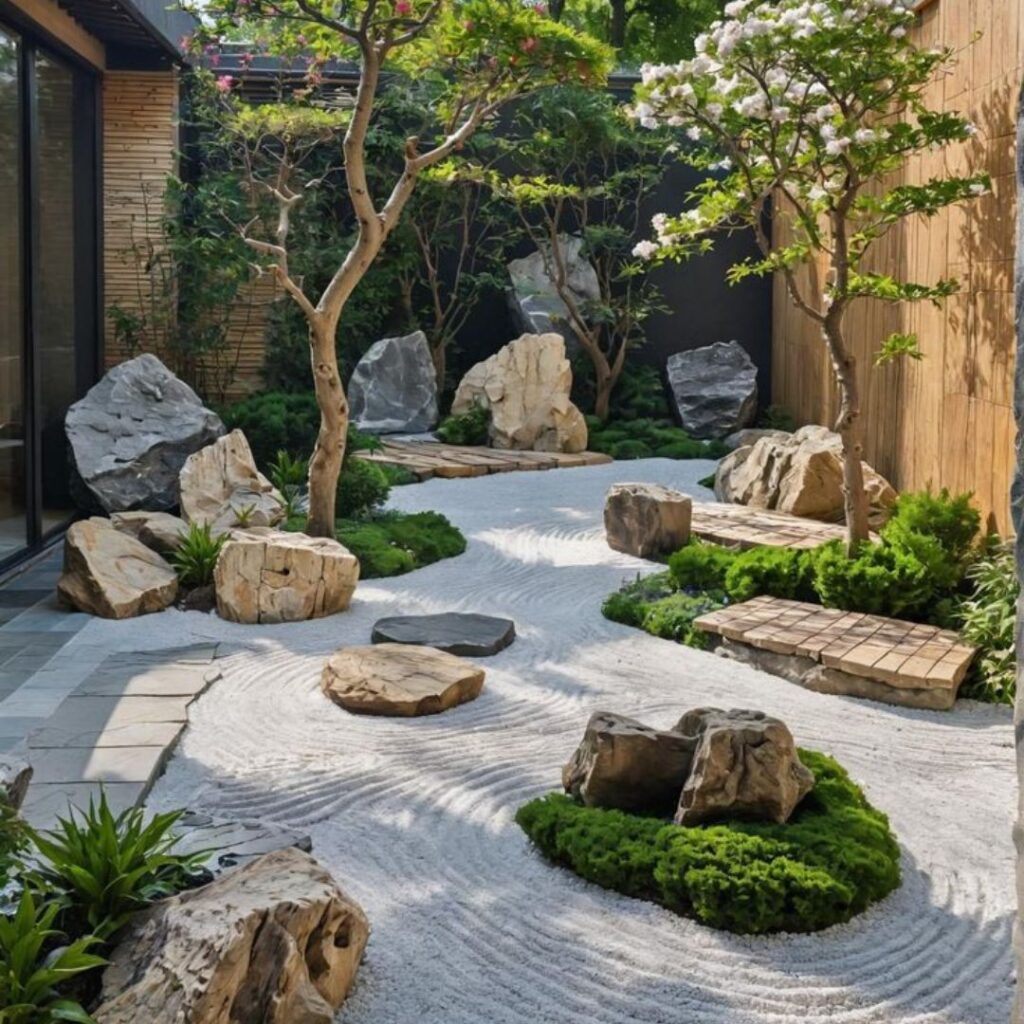
#10. Zen Minimalist Garden
What Is a Minimalist Garden?
A minimalist garden emphasizes simplicity and clean lines. This design approach creates a calm outdoor space through the careful selection of limited elements.
Key Characteristics
- Simplicity and Clean Lines: Minimalist gardens focus on uncluttered layouts. Use geometric shapes and simple forms, such as rectangular beds and square paving stones.
- Limited Color Palette: These gardens rely on a restrained color scheme. Green is dominant, while other colors serve as focal points.
- Natural Materials: Choose materials like stone, wood, and gravel. These add warmth and texture, enhancing the garden’s overall appeal.
Benefits of Minimalist Gardens
Minimalist gardens reduce maintenance time and effort. Their simple structure makes care easier and less stressful. They also promote relaxation by creating serene environments. This style encourages mindfulness as you connect with nature in a calm setting. You can enjoy outdoor spaces that feel open and tranquil.
Designing a Minimalist Garden
Creating a minimalist garden involves thoughtful choices that emphasize simplicity and functionality, much like the principles of Minimalist interior design. This design approach fosters a tranquil environment, perfect for relaxation, extending the serene and uncluttered aesthetic outdoors.
Choosing the Right Plants
Select a few plant varieties that suit your climate and style. Opt for plants with clean lines and geometric shapes. Incorporate greenery in varying heights to add interest. Choose colors sparingly, focusing mainly on greens with select, bold hues for accents.
Essential Hardscaping Elements
Use hardscaping to define spaces and add structure. Incorporate materials like stone, gravel, and wood for paths and borders. Create seating areas with simple, functional furniture. Maintain clear lines in your layout for a cohesive look, ensuring each element serves a distinct purpose.
Maintenance of a Minimalist Garden
Maintaining a minimalist garden requires straightforward strategies to ensure simplicity and beauty. Focus on low-maintenance practices that support a serene outdoor space.
Watering and Irrigation
Use a drip irrigation system for efficient watering. This system delivers water directly to the roots, reducing waste. Drip irrigation promotes healthy plant growth and keeps your garden looking its best with minimal effort.
Seasonal Care Tips
Adjust your maintenance routine with the seasons. In spring, check for new growth and prune as needed. In summer, monitor water levels closely. In fall, clean up debris and prepare plants for winter. Each season brings specific tasks that keep your minimalist garden thriving.
Popular Minimalist Garden Styles
Minimalist gardens come in various styles, each with unique features designed to enhance simplicity and tranquility.
Japanese Minimalism
Japanese minimalist gardens focus on harmony and respect for nature. Essential elements include stone, water, and plants. Stones create structure, water symbolizes life, and plants add seasonal color. Karesansui, or dry landscape gardens, use rocks and sand to represent water and mountains, encouraging meditation. Space between features matters as much as the features themselves, often incorporating outside elements to promote calm.
Contemporary Minimalism
Contemporary minimalist gardens prioritize clean lines and open spaces. They often feature geometric shapes and a limited plant selection for simplicity. Hardscaping materials like concrete, stone, and wood define areas while providing functionality. A monochromatic color scheme with occasional bold accents achieves a modern look. This style highlights the beauty of nature through uncluttered designs that invite relaxation and connection.