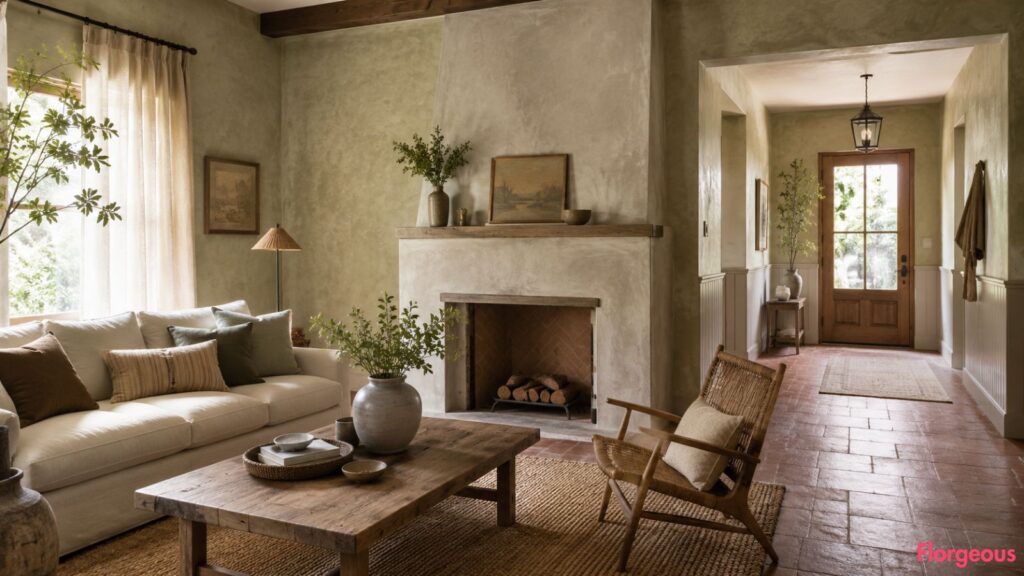
Flat walls are not disappearing, but they may be getting more competition.
Houzz’s 2026 U.S. Emerging Summer Trends Report points to rising interest in tactile home finishes, with searches climbing for sandstone, linen wallpaper, seagrass wallpaper, Venetian plaster, terracotta flooring, limewash interior paint, and wainscoting.
That is what makes the textured wall trend feel especially relevant now. Homeowners appear to be looking for rooms with more depth, softness, and touchable character, not just another coat of flat paint.
The appeal is easy to understand. A textured wall, plaster finish, woven wallpaper, or warm tile floor can make a room feel more finished before the furniture even arrives.
What Houzz’s Search Data Points To
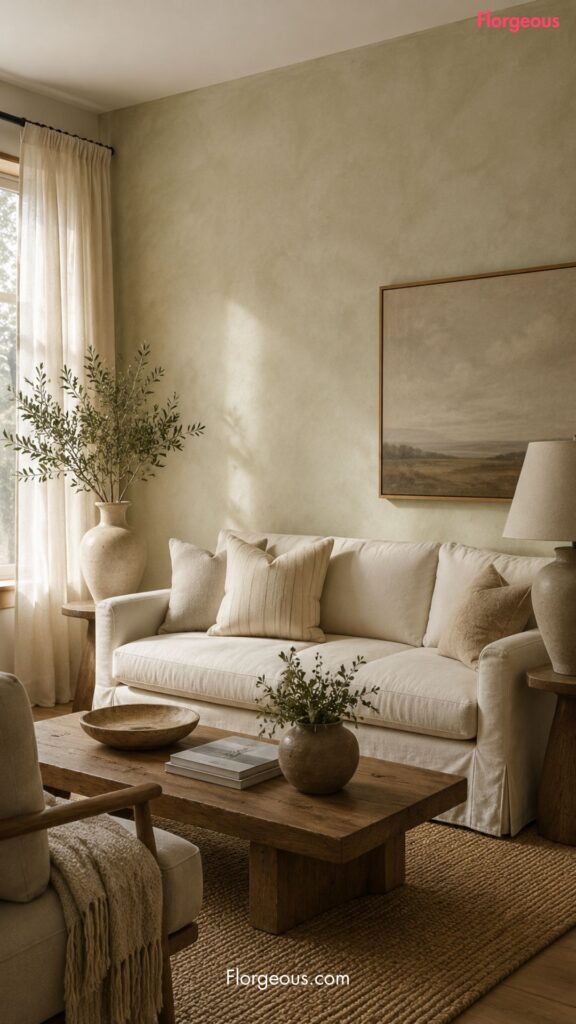
Houzz frames this movement as part of a shift toward tactile, sensory-rich interiors.
The search increases are striking. Houzz says searches for “sandstone” rose 257%, while searches for “linen wallpaper” rose 104%. “Seagrass wallpaper” and “Venetian plaster” both rose 94%.
The interest is not limited to walls. Searches for “terracotta flooring” rose 55%, suggesting that homeowners are also looking at texture underfoot. Searches for “limewash interior paint” rose 53%, while “wainscoting” rose 32%.
Taken together, the data points to a broader design mood: rooms that feel layered, natural, and dimensional.
This does not mean painted drywall is suddenly outdated or wrong. A clean painted wall still has its place. The safer interpretation is that many homeowners are becoming more curious about finishes that bring movement, grain, softness, and subtle shadow into a space.
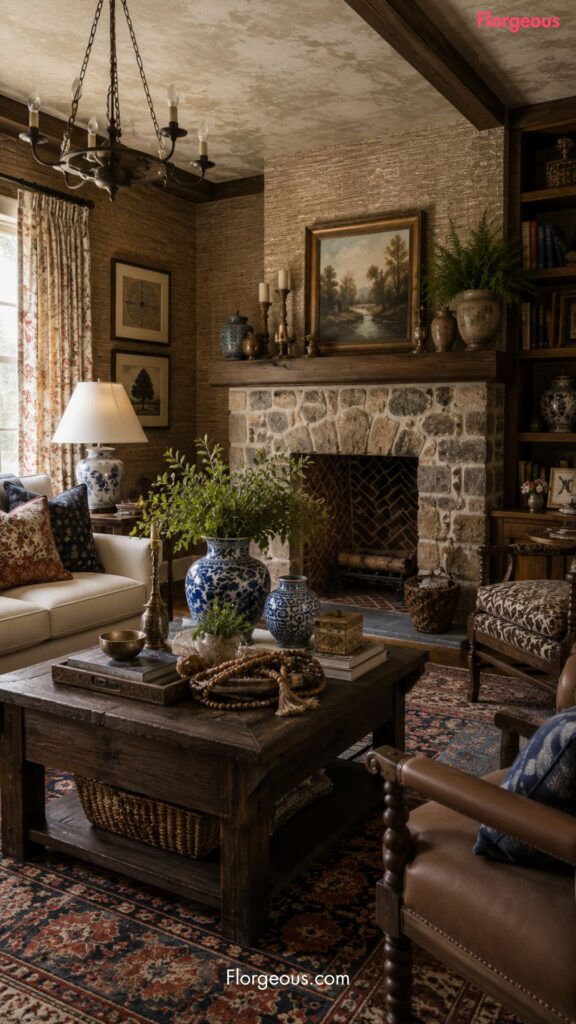
Visually, this trend is less about rough walls and more about subtle surface movement: cloudy limewash, woven grasscloth, sandy stone, soft plaster, and warm clay tile.
Why Tactile Interiors Are Getting Attention
After years of clean white walls, smooth gray finishes, and minimalist rooms, many homeowners seem to be looking for surfaces that feel less blank. The appeal of limewash, plaster, woven wallpaper, sandstone, and terracotta is that they make a room feel designed before it is heavily decorated.
Texture changes the way a room feels, even when the color palette stays quiet.
A cream wall painted flat can look clean, but a cream limewash wall feels softer because the finish has cloudy movement. A neutral wallpaper can be understated, but linen or seagrass adds a woven surface that catches light differently throughout the day.
That is the quiet power of tactile home decor. It gives simple rooms more character without relying on loud color, oversized art, or dramatic furniture.
Textured interiors also work well with the warm, earthy palettes that have been gaining attention in home design. Sandstone, terracotta, linen, plaster, and grasscloth all sit comfortably beside wood, stone, aged brass, woven rugs, and soft upholstery.
The result is a room that feels finished at the surface level, so it does not need as many decorative objects to feel warm.
Where the Textured Wall Trend Works Best at Home
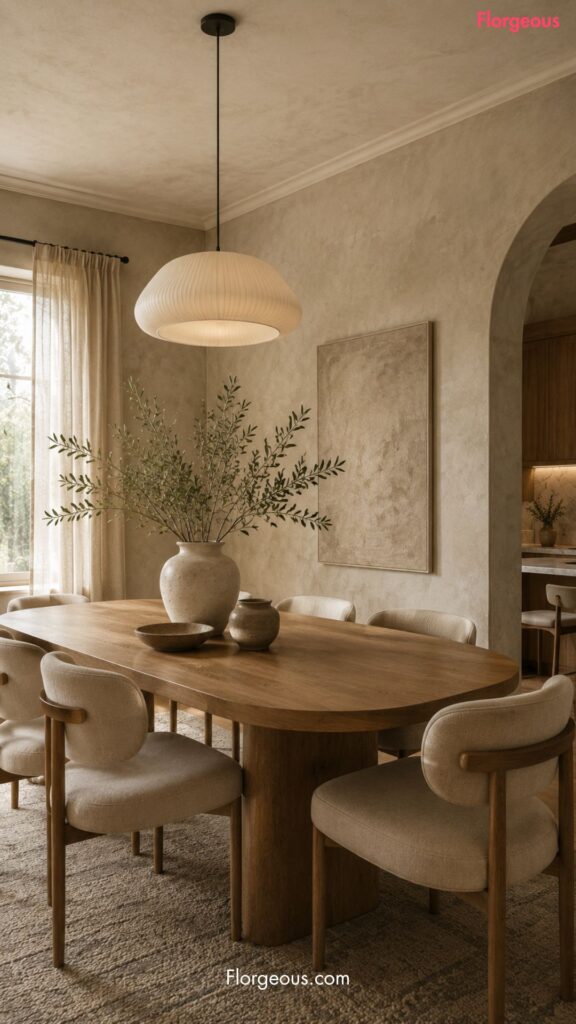
The most successful version of this decor trend is usually not about covering every surface. It is about choosing the right moment.
A textured finish works best when it gives the room a focal point, adds warmth to a plain area, or helps an architectural feature feel more intentional.
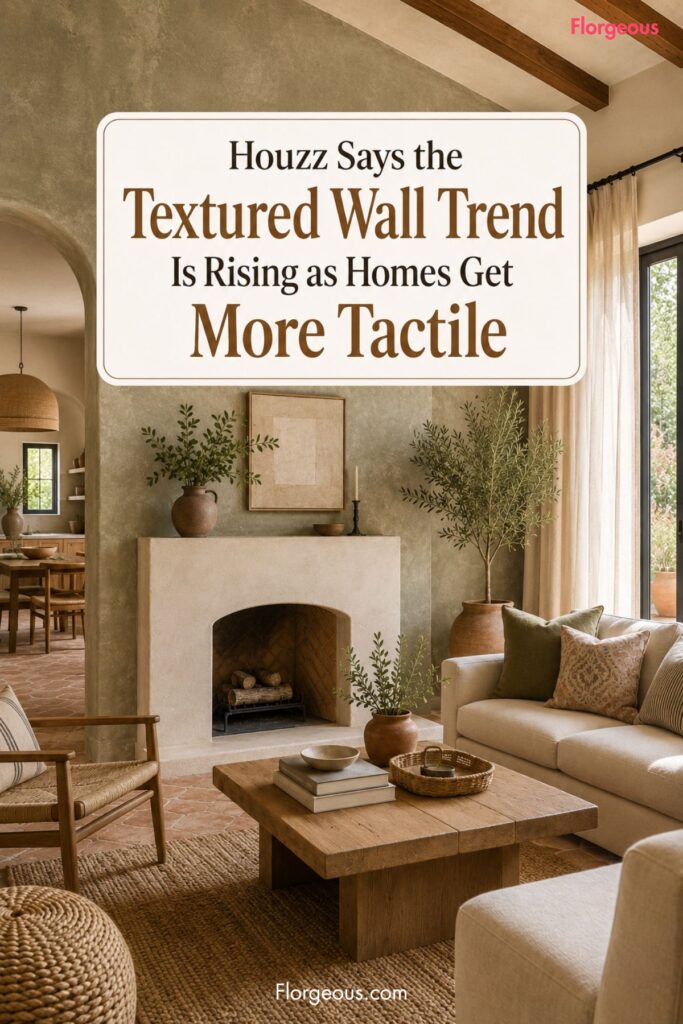
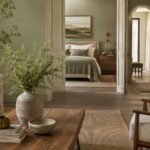
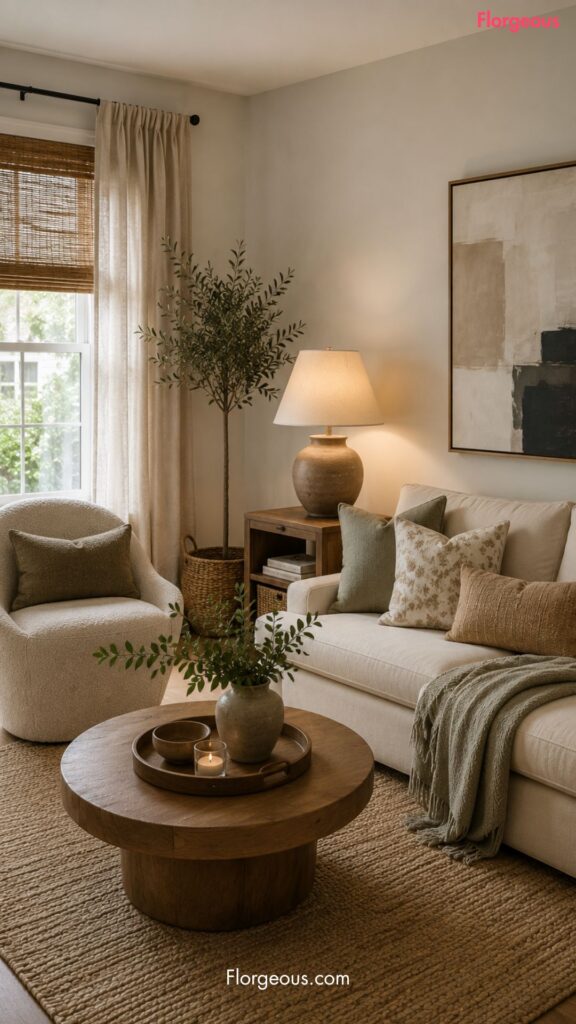
In a living room, limewash walls can make a simple seating area feel softer and more enveloping. Pair them with ivory upholstery, a warm wood coffee table, linen curtains, and ceramic lamps so the room feels calm rather than rustic.
In a dining room, Venetian plaster can add a polished, quietly luxurious backdrop. It works especially well behind a sculptural table, simple upholstered chairs, and warm lighting.
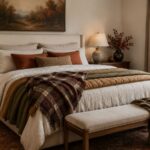
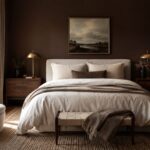
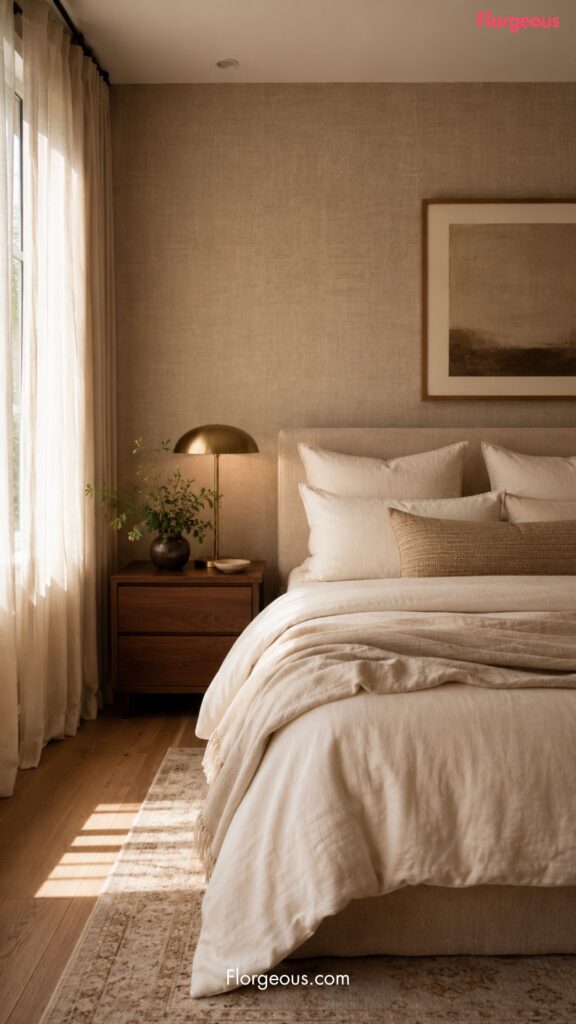
In a bedroom, linen wallpaper can give the walls a gentle fabric-like softness. This is a good choice for anyone who wants texture without a heavy plaster or stone effect.
In an entryway, wainscoting can bring structure and shadow to a narrow space. Painted in a soft neutral, it creates detail without needing much furniture.
In a powder room, seagrass wallpaper can make a small space feel designed and memorable. Because the room is compact, the texture can feel intentional instead of overwhelming.
In a kitchen or sunroom, terracotta flooring can add earthy warmth underfoot. The key is to balance it with lighter walls, simple cabinetry, and natural materials so the floor becomes grounding rather than visually heavy.
How to Use Texture Without Making a Room Feel Busy
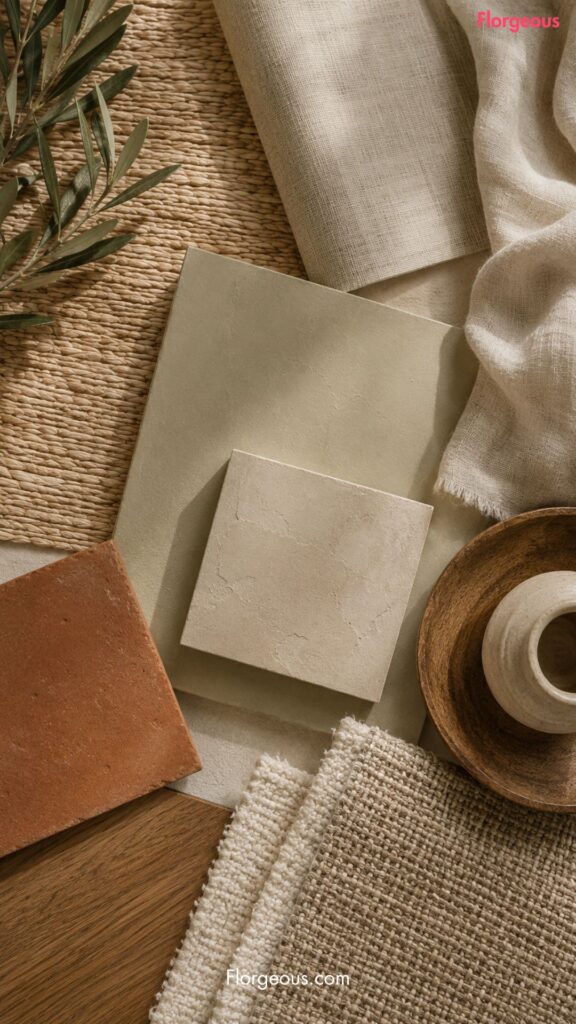
Texture looks best when it has room to breathe.
The common mistake is layering too many strong finishes in one room. A plaster wall, patterned rug, heavy stone fireplace, woven wallpaper, rustic ceiling beams, and terracotta floor can quickly start competing with each other.
Choose one main tactile feature first.
That might be limewash walls, a Venetian plaster fireplace, linen wallpaper behind a bed, seagrass wallpaper in a powder room, or terracotta flooring in an entry. Once that feature is chosen, keep the surrounding materials quieter.
Color also matters. Textured finishes already create visual movement, so they often look best in muted tones: warm white, stone beige, soft clay, mushroom, sand, taupe, dusty olive, or pale greige.
Lighting is just as important. Wall texture looks different in morning light, overhead light, and evening lamp light. Before committing to a full room, test samples on the actual wall and look at them throughout the day.
What to Avoid
Do not treat every textured material as interchangeable.
Limewash walls feel soft, chalky, and atmospheric. Venetian plaster can feel smoother, more polished, and more architectural. Linen wallpaper has a tailored textile quality. Seagrass wallpaper feels more organic and woven. Wainscoting adds structure rather than surface softness.
Each finish creates a different mood.
Avoid choosing texture only because it is trending. A finish should support the room’s architecture, natural light, furniture, and how the space is used.
Be careful in rooms that already have a lot going on. If your space includes bold stone, busy flooring, colorful cabinetry, heavy drapery, or a large patterned rug, a heavily textured wall may make the room feel crowded.
Also avoid overly fake-looking versions of natural materials. This trend depends on depth and touch, so the finish needs to feel believable. Subtle is usually more elegant than exaggerated.
The Florgeous Take
The Florgeous take: the most beautiful version of the textured wall trend is not dramatic for the sake of drama. It is quiet, layered, and deeply touchable.
A limewash living room in a soft stone shade. A linen wallpaper bedroom that feels calm before the bedding is even styled. A terracotta entry that makes the first step inside feel warmer. A wainscoted hallway that turns a pass-through space into part of the design story.
Sometimes one textured wall, one warm floor, or one architectural detail is enough to make the whole space feel more considered.
The goal is not to reject painted walls. It is to move beyond surfaces that feel flat, blank, or unfinished when a room needs more warmth.
A Practical Way to Try the Trend First
Start with one surface.
If you are curious about limewash interior paint, test it on one wall behind a sofa, bed, console table, or fireplace. If wallpaper feels more manageable, try linen wallpaper in a bedroom niche or seagrass wallpaper in a powder room.
If permanent changes are not realistic, bring the tactile look in through woven shades, linen curtains, clay lamps, plaster-style accessories, textured art, or a natural fiber rug.
The goal is to see how your home responds to texture before committing to a larger renovation.
FAQs
Is the textured wall trend only for modern homes?
No. Textured walls and tactile finishes can work in modern, traditional, organic, coastal, rustic, and transitional spaces. The finish should match the room’s mood. Venetian plaster may feel more polished, while linen wallpaper or wainscoting can feel softer and more classic.
Are limewash walls hard to style?
Limewash walls are easiest to style when the room has warm, natural materials. Try linen, oak, walnut, stone, ceramic, aged brass, and soft neutral upholstery. Avoid pairing a warm limewash wall with too many cold gray finishes.
What is the difference between linen wallpaper and seagrass wallpaper?
Linen wallpaper usually has a softer, fabric-like look, while seagrass wallpaper has a more woven, organic texture. Linen often feels calmer and more tailored. Seagrass can bring stronger natural texture, especially in smaller rooms.
Can renters try tactile home decor?
Yes. Renters can use texture through curtains, rugs, bedding, lamps, woven baskets, removable panels, textured artwork, or furniture with natural materials. The effect can still feel layered without changing the walls permanently.
What is the easiest room for trying textured interiors?
A powder room, entryway, bedroom wall, or small dining nook is a smart starting point. These spaces are contained, so one textured surface can make a big visual impact without taking over the whole home.
The Takeaway for Your Home
Houzz’s search data suggests that homeowners are becoming more interested in rooms that feel layered, touchable, and naturally finished.
The textured wall trend works best when it is used with restraint. Choose one strong surface, balance it with calmer materials, and let the finish create depth rather than noise.
A room does not need every wall covered in plaster or wallpaper to feel current. Sometimes one textured wall, one warm floor, or one architectural detail is enough to make the whole space feel more considered.