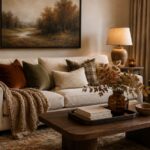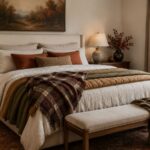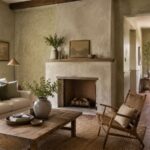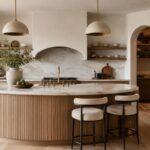
Houzz’s 2026 summer trends report is pointing to a softer, warmer, more personal direction for home design.
After years of crisp minimalism, cool neutrals and clean-lined interiors, homeowners appear to be searching for rooms that feel more tactile, relaxed and emotionally inviting.
The report is based on year-over-year growth in U.S.-based Houzz searches from January through March 2026 compared with the same period in 2025.
For anyone following home decor trends, the takeaway is clear: the most interesting homes right now are not just looking polished. They are feeling warmer, more layered and more lived-in.
What Houzz’s 2026 Summer Trends Report Says
According to Houzz, homeowners are showing growing interest in “tactile, sensory-rich environments” that feel personal and purposeful.
That shows up in several ways: curved architectural details, textured walls, warm earthy colors, nostalgic entertainment rooms, wellness spaces, sustainable choices and romantic outdoor areas.
The report does not mean every home is suddenly being redesigned overnight.
It does suggest that homeowners are moving toward spaces with more softness, texture, warmth and personality.
Instead of rooms that feel blank and overly staged, the rising searches point to homes that invite touch, gathering, rest and everyday enjoyment.
Why This Trend Is Getting Attention Now
The bigger shift is not just about one paint color or one kitchen shape.
It is about how people want their homes to feel.
Cool gray interiors, flat white walls and sharp-edged modern rooms can look clean, but they can also feel unfinished or impersonal if they are not layered well.
Houzz’s trend data suggests homeowners are looking for the opposite feeling: softness, warmth, character and comfort.
That explains why searches are rising for things like scalloped tile, arched range hoods, linen wallpaper, chocolate brown, wellness rooms, card rooms and European-style courtyards.
The strongest 2026 home trend may be this: people want homes that look beautiful, but also feel good to live in.
1. Curves and Soft Geometry Are Moving Into Kitchens
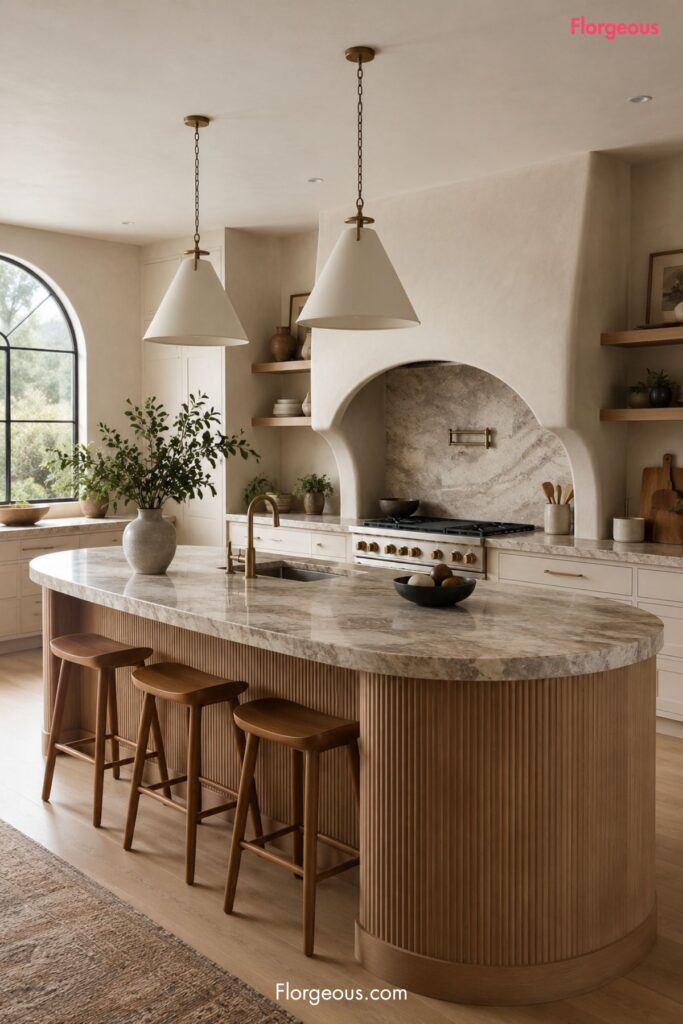
One of the biggest visual shifts in the Houzz report is the rise of curved forms.
Searches for scalloped tile rose more than three times, while wave tile also increased. In kitchens, Houzz reported rising searches for arched range hoods, arched pantry doors, rounded kitchen islands and curved peninsulas.
This matters because kitchens are usually full of straight lines: cabinet boxes, rectangular islands, square tile and sharp countertop edges.
Adding even one curve can soften the whole room.
A rounded island edge, arched range hood or scalloped backsplash makes a kitchen feel less rigid and more custom.
The Florgeous take: curved kitchens work best when the shape feels architectural, not trendy. A single rounded feature is often more elegant than forcing curves into every corner.
2. Tactile Textures Are Replacing Flat Surfaces
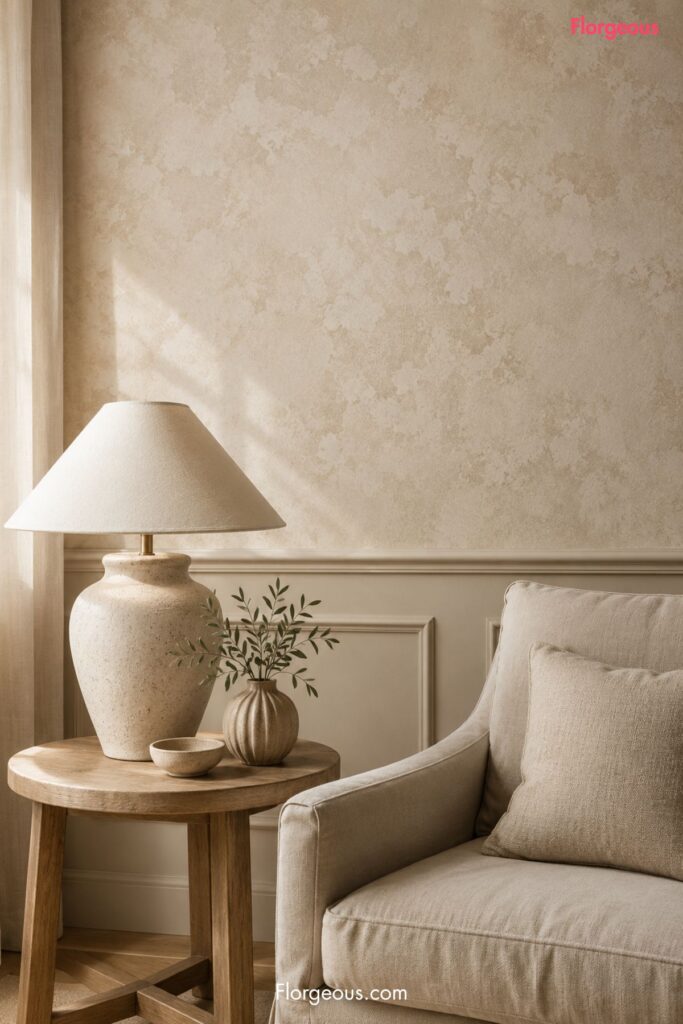
Texture is one of the most important home decor trends in the report.
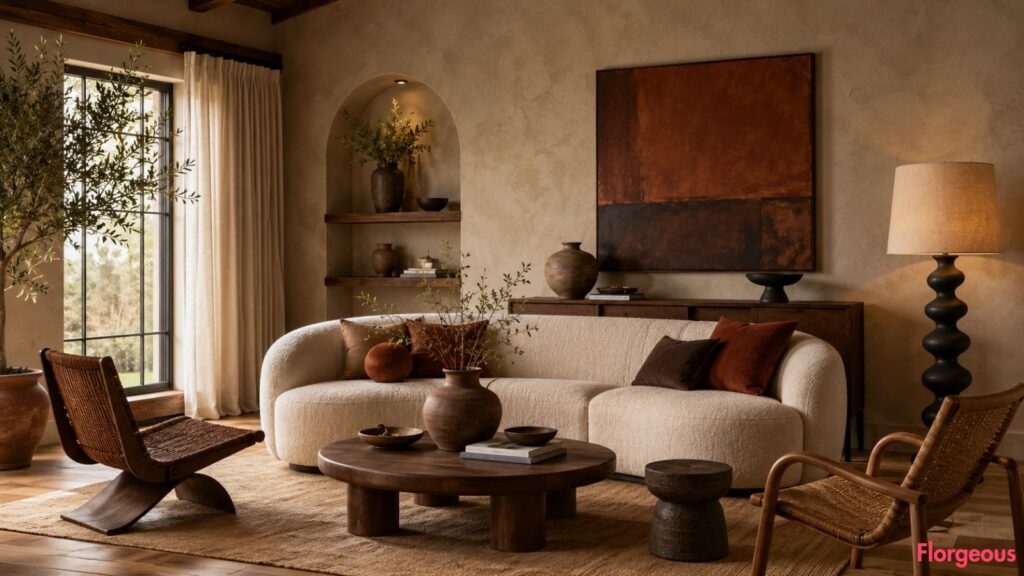
Houzz noted rising searches for sandstone, linen wallpaper, seagrass wallpaper, Venetian plaster, terracotta flooring, limewash interior paint and wainscoting.
That points to a clear design shift: walls, floors and surfaces are becoming more touchable.
Flat drywall can make a room feel plain, especially when the furniture is simple. Textured finishes add depth before you even hang art or bring in decor.
Linen wallpaper can soften a bedroom.
Venetian plaster can make a dining room feel old-world and luminous.
Terracotta flooring can warm up an entryway or kitchen.
Wainscoting can give a plain wall structure and rhythm.
The mistake is using too many textures at once. If the walls are limewashed, the floors are terracotta and the furniture is heavily patterned, the room can start to feel busy.
Choose one main texture, then let the rest of the room support it.
3. Warm Earthy Colors Are Taking Over From Cool Minimalism
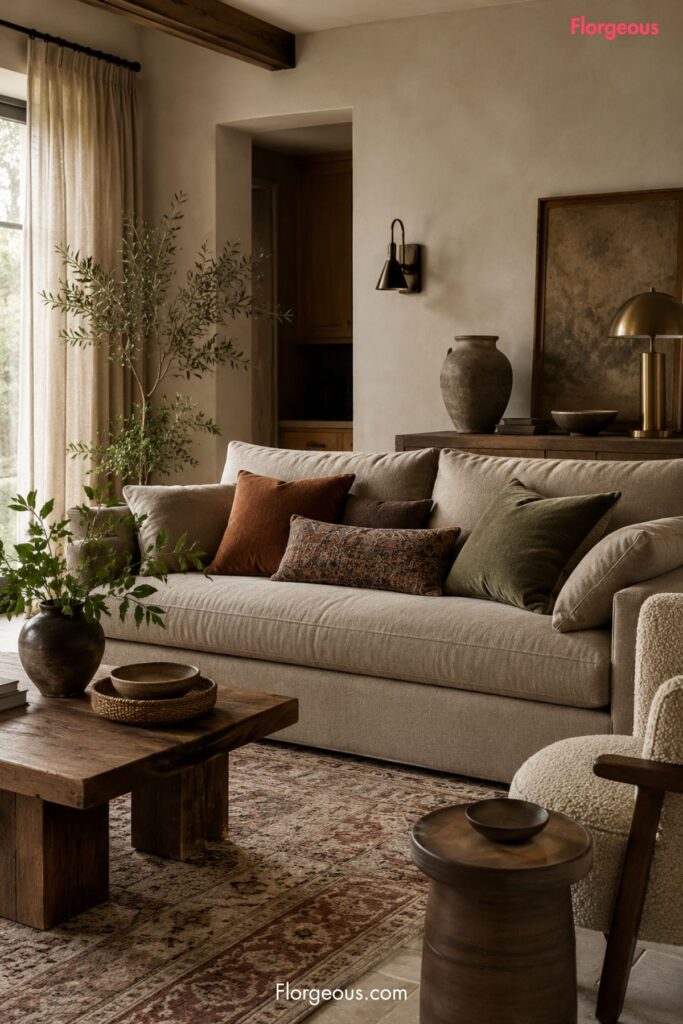
Houzz’s report also points to a warmer color story for 2026.
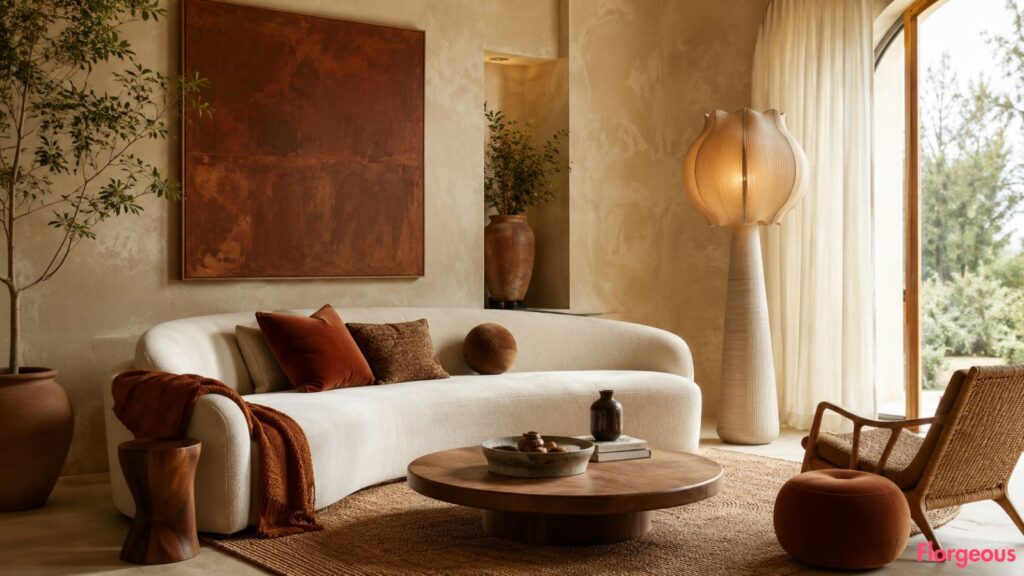
Searches rose for rust colors, chocolate brown, mushroom, sage, taupe and cream. These are not loud colors, but they are richer and more emotional than plain white or cool gray.
That is why they work so well in real homes.
Rust can make a living room feel cozy.
Chocolate brown can make a bedroom feel grounded.
Mushroom and taupe can warm up neutral walls without feeling dark.
Sage can bring in a natural, calming quality.
Cream can soften trim, cabinetry or upholstery.
A practical way to try this trend is through textiles first. Add rust pillows, a mushroom-colored rug, cream curtains or a chocolate brown throw before repainting the entire room.
The Florgeous take: earthy colors look most expensive when they are layered with natural materials. Pair them with walnut, oak, linen, aged brass, stone, clay, rattan or woven textures.
4. Nostalgic Rooms Are Making Homes Feel More Social Again
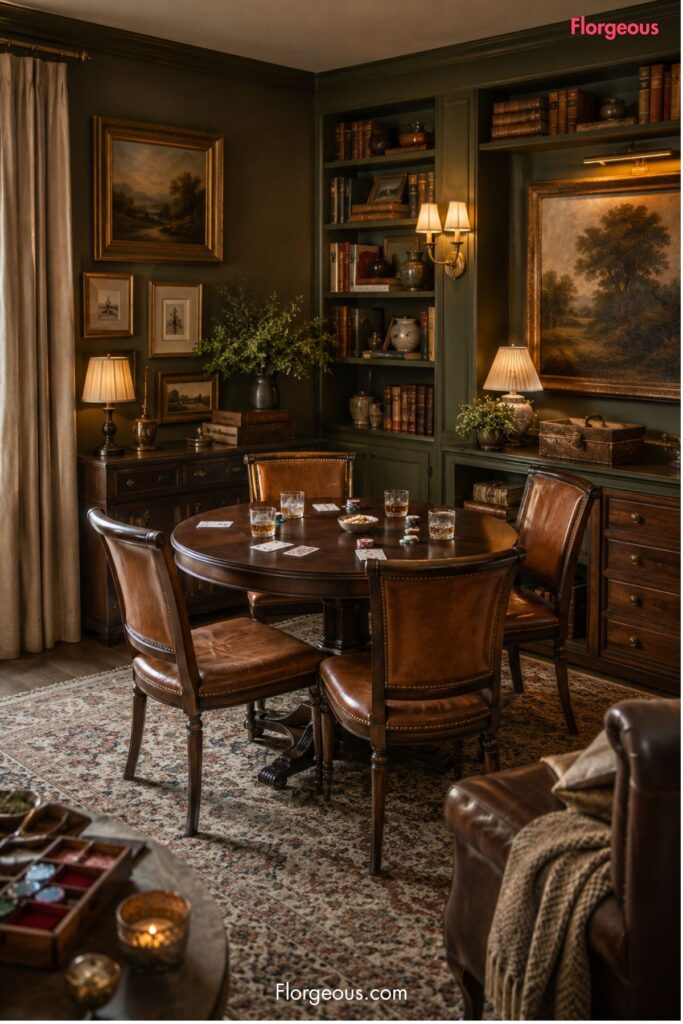
One of the more interesting parts of the Houzz report is the rise of nostalgic spaces.
Searches increased for mahjong rooms, card rooms, board game rooms, poker rooms, speakeasies, playrooms and bibliothèque-style libraries.
This is not just about decor.
It is about how people want to spend time at home.
A nostalgic room gives the home a purpose beyond watching television or scrolling on a phone. It creates a place for cards, puzzles, books, games, drinks, conversation or family traditions.
The most livable version does not need a full renovation.
A round table, comfortable chairs, warm lighting, closed storage and a few vintage details can turn an unused corner into a game area.
For a more dramatic version, a dark painted library, wall-to-wall bookshelves or a speakeasy-inspired bar nook can make the room feel special.
Style Note:
The key is to make the space feel collected, not themed. A room can nod to the past without looking like a movie set.
5. Wellness Rooms Are Becoming a Real Design Priority
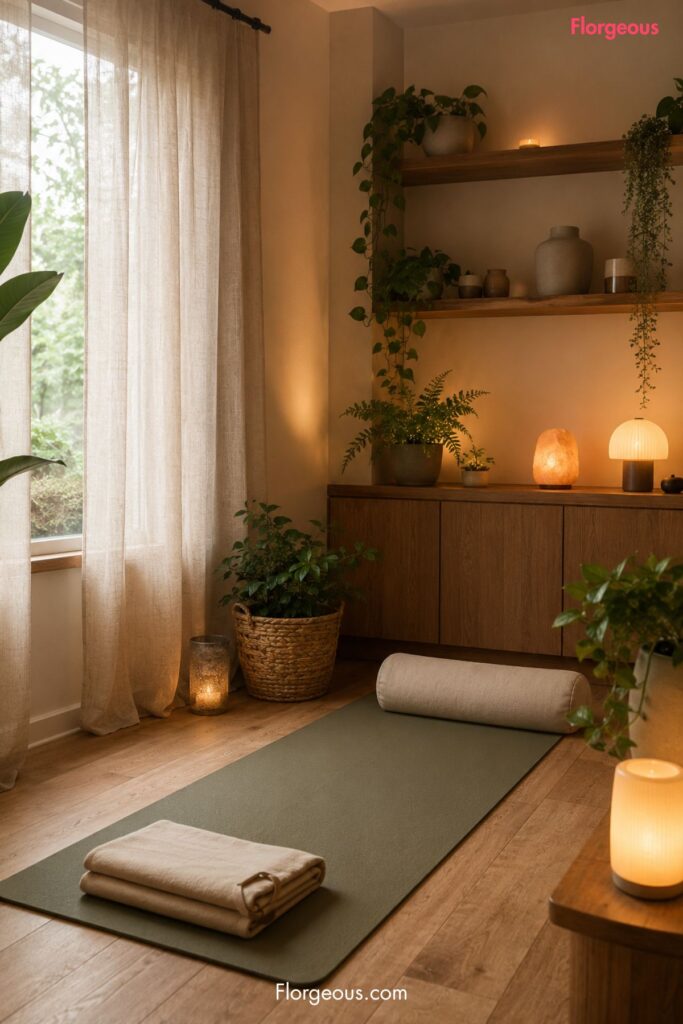
Houzz reported growing searches for wellness rooms, calming spaces, biophilic design, spa features, home gyms, sensory rooms and yoga rooms.
That suggests homeowners are thinking about wellness as part of the floor plan, not just as a few candles in the bathroom.
A wellness room can be simple.
It might be a spare bedroom with soft curtains, a yoga mat, plants, low shelving and dimmable lighting.
It might be a bathroom with spa-like tile, warm wood, a soaking tub and natural textures.
It might be a home gym that feels more like a retreat than a garage corner.
Biophilic design is especially useful here. Natural light, plants, stone, wood, water-inspired colors and outdoor views can make a room feel calmer without making it look empty.
The practical version: create a wellness corner before creating a wellness room. Start with a chair, a plant, a soft lamp, a basket for blankets and a surface for tea, books or journals.
6. Eco-Friendly Choices Are Becoming Part of the Design Conversation
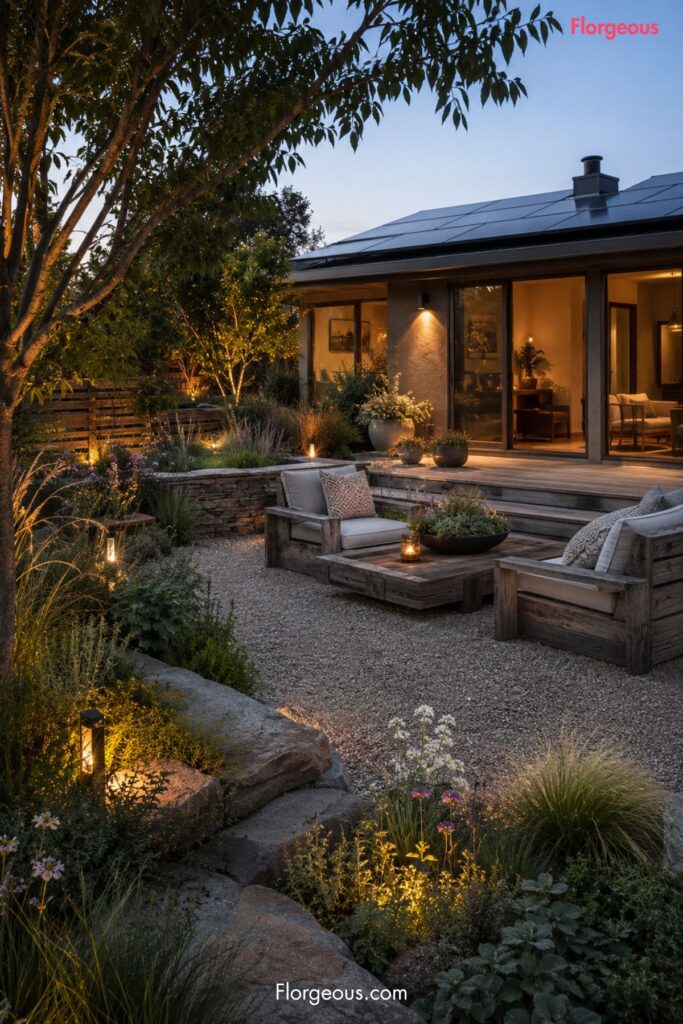
Sustainability is another major theme in the Houzz report.
Searches rose for solar energy, repurposed materials, low-voltage lighting, permeable patios, native landscapes, recycled glass countertops, bamboo flooring, passive house and sustainable design.
For homeowners, the most useful takeaway is that eco-friendly choices are becoming more design-forward.
A native landscape can look lush and intentional.
Repurposed materials can add character.
Low-voltage lighting can make outdoor spaces more usable while being more thoughtful.
A permeable patio can feel beautiful and practical at the same time.
Inside the home, recycled glass countertops and bamboo flooring can bring sustainability into kitchens, bathrooms and living spaces without making the design feel overly rustic.
The Florgeous take: the best eco-friendly spaces do not look like a checklist. They look beautiful first, then reveal their practicality through better materials, smarter energy use and lower-maintenance choices.
7. Small Outdoor Spaces Are Getting More Attention
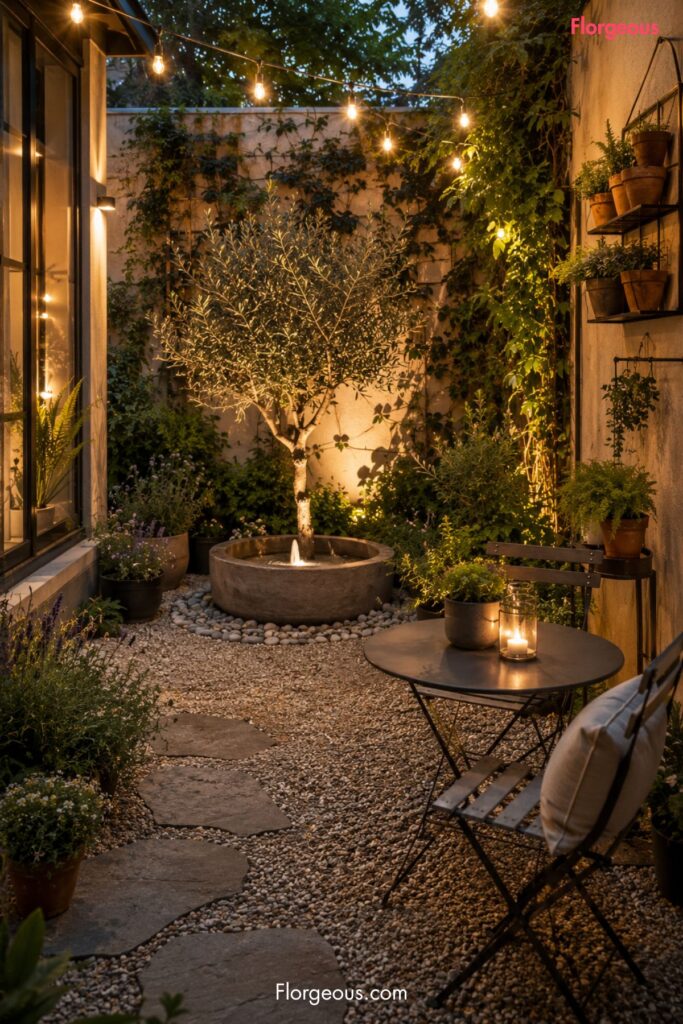
Houzz also found rising searches for small front yards, small courtyards, small patio gardens and small backyards.
That is good news for homeowners without a huge yard.
A compact outdoor space can still feel like a retreat if the design is layered well.
The trick is to think vertically and emotionally.
Use climbing plants, wall-mounted planters, slim furniture, gravel paths, cafe tables, built-in benches, string lights and container gardens.
A tiny courtyard can feel more charming than a large empty lawn if it has texture, shade, fragrance and a clear place to sit.
Small Space Tip:
Use one strong focal point outdoors, such as a fountain, potted tree, climbing rose, fire bowl or bistro set. Too many small decorations can make a compact space feel cluttered.
8. European Garden Romanticism Is Bringing Charm Outdoors
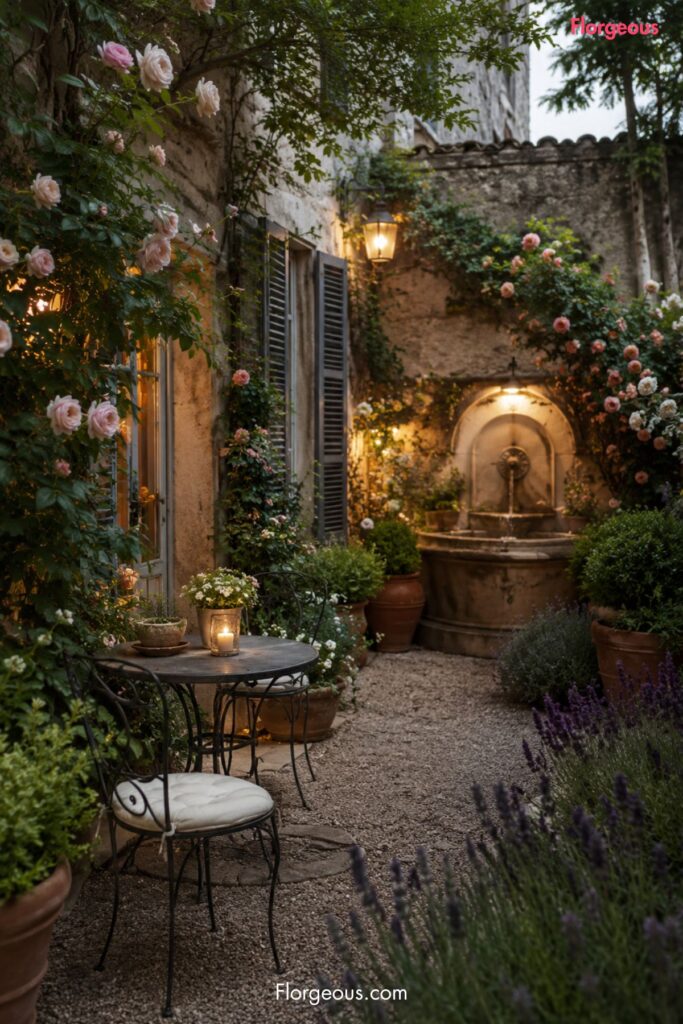
The most romantic outdoor trend in the report is the rise of European-inspired garden spaces.
Houzz reported higher searches for French courtyards, Italian courtyards, cottage patios and English cottage patios.
This trend is easy to understand.
People want outdoor spaces that feel storied, slow and transportive.
Think gravel paths, aged stone, climbing roses, terracotta pots, structured beds, small fountains, cafe seating, herbs, lanterns and soft greenery.
You do not need a historic home to borrow the mood.
A small patio can take on a European feel with gravel underfoot, a pair of iron chairs, potted lavender, an olive tree in a planter and warm outdoor lighting.
The mistake is making it too perfect. European garden style works because it feels slightly aged, layered and lived-in.
What to Avoid With These 2026 Home Trends
The biggest mistake is taking any trend too literally.
A curved kitchen does not need every line to be rounded.
A textured room does not need five different wall finishes.
A wellness space should not feel like a commercial spa.
A nostalgic game room should not look like a themed restaurant.
A European courtyard should not rely on fake-looking props.
The best way to use these trends is to choose the feeling first, then pick the design details that support it.
If you want warmth, try earthy color and texture.
If you want softness, try curves and layered fabrics.
If you want connection, create a room that invites people to sit, play or talk.
If you want calm, focus on lighting, nature and sensory comfort.
The Florgeous Take
Houzz’s 2026 summer trends report feels less like a list of random design ideas and more like a mood shift.
Homes are becoming softer, warmer and more personal.
The most beautiful version of this trend is not messy or overly nostalgic. It is edited, intentional and livable.
A curved kitchen island, a limewashed wall, a chocolate brown bedroom, a card table, a wellness corner or a tiny European-style patio can all point in the same direction: a home that feels more human.
That is the real design lesson for 2026.
Not every room needs to be dramatic.
But every room should feel like someone actually wants to live there.
A Practical Way to Try the Trend First
Before changing an entire room, choose one trend and test it in a small way.
Paint a sample board in chocolate brown, rust, mushroom or sage.
Add one curved chair or rounded coffee table.
Try linen curtains before committing to wallpaper.
Create a game corner before designing a full card room.
Style a small patio with potted herbs and warm lighting before rebuilding the whole backyard.
The best home decor trends are not the ones copied exactly from a report. They are the ones that make your own home feel more comfortable, more personal and more enjoyable to use.
FAQs
What are the biggest home trends in Houzz’s 2026 summer trends report?
The biggest themes include curved forms, tactile textures, warm earthy colors, nostalgic spaces, wellness rooms, eco-friendly choices, compact outdoor areas and European-inspired courtyards.
Are curved kitchens practical?
Yes, they can be practical if the curves are used thoughtfully. Rounded island edges, arched range hoods and curved peninsulas can soften the room without reducing function.
What colors are trending in home decor for 2026?
Houzz’s report points to warmer earthy colors, including rust, chocolate brown, mushroom, sage, taupe and cream.
How can I try textured walls without a major renovation?
Start with one accent wall. Linen wallpaper, subtle grasscloth, peel-and-stick textured wallpaper or limewash-style paint can create depth without redoing the entire room.
Are wellness rooms only for large homes?
No. A wellness space can be a corner of a bedroom, sunroom, home office or spare room. The key elements are calming light, natural materials, soft texture and a clear purpose.
The Takeaway for Your Home
Houzz’s 2026 summer trends report points to homes that feel warmer, softer and more personal.
The easiest way to use the trend is to choose one feeling you want more of: calm, connection, warmth, texture or charm.
Then bring that feeling into the room with one clear design move.
A curved furniture piece, a textured wall, an earthy paint color, a game table, a wellness corner or a romantic patio can all make a home feel more current without making it feel overdesigned.