
Are you dreaming of a kitchen that feels bright spacious and timeless? White kitchens have emerged as the ultimate design solution for homeowners seeking a clean sophisticated aesthetic that never goes out of style. Whether you’re renovating your current space or planning a complete kitchen transformation white offers incredible versatility and elegance.
Modern white kitchens aren’t just about painting walls white—they’re strategic design statements that can dramatically enhance your home’s visual appeal and functionality. From sleek minimalist designs to warm traditional layouts white provides a perfect canvas that allows you to experiment with textures materials and accent colors. By understanding how to implement white effectively you’ll create a kitchen that’s not just beautiful but also reflects your unique personal style.
21 White Kitchen Ideas for a Bright and Timeless Look
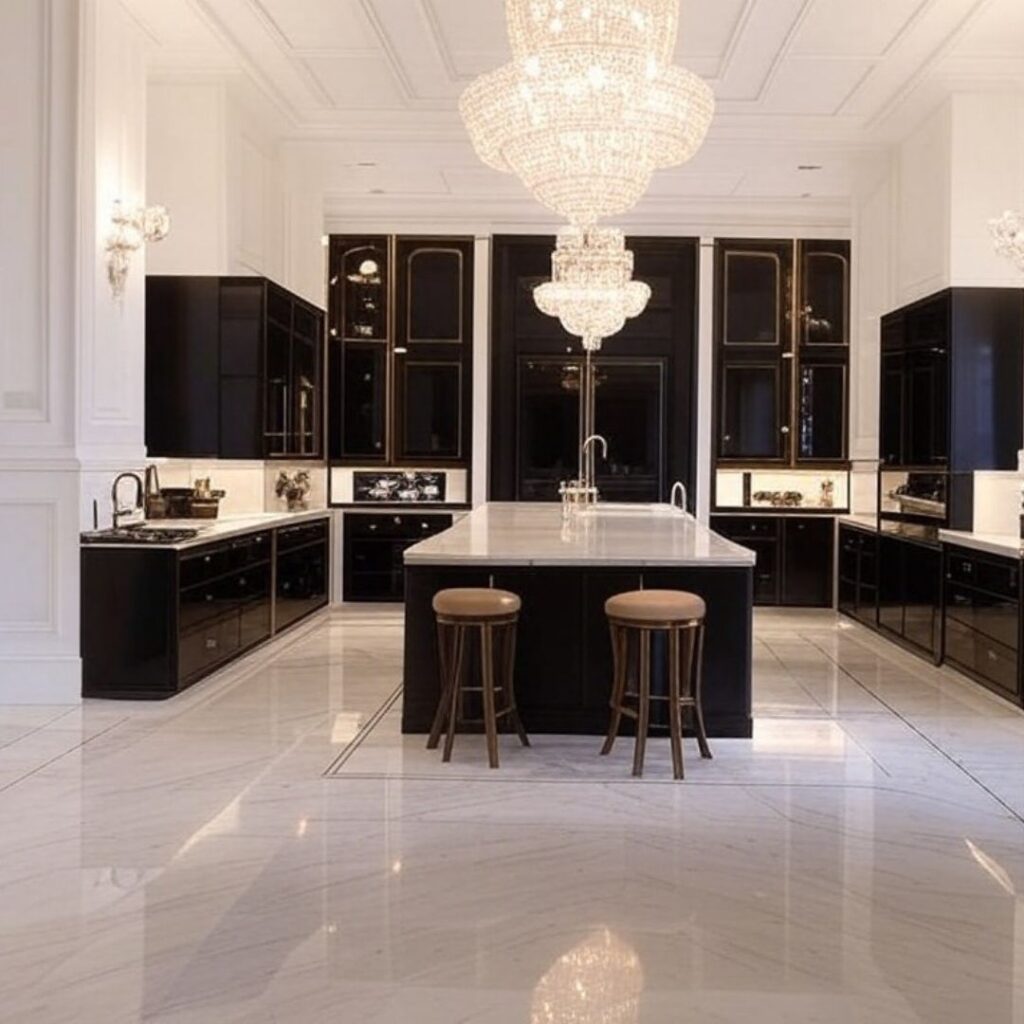
1. Art Deco White Kitchen Ideas
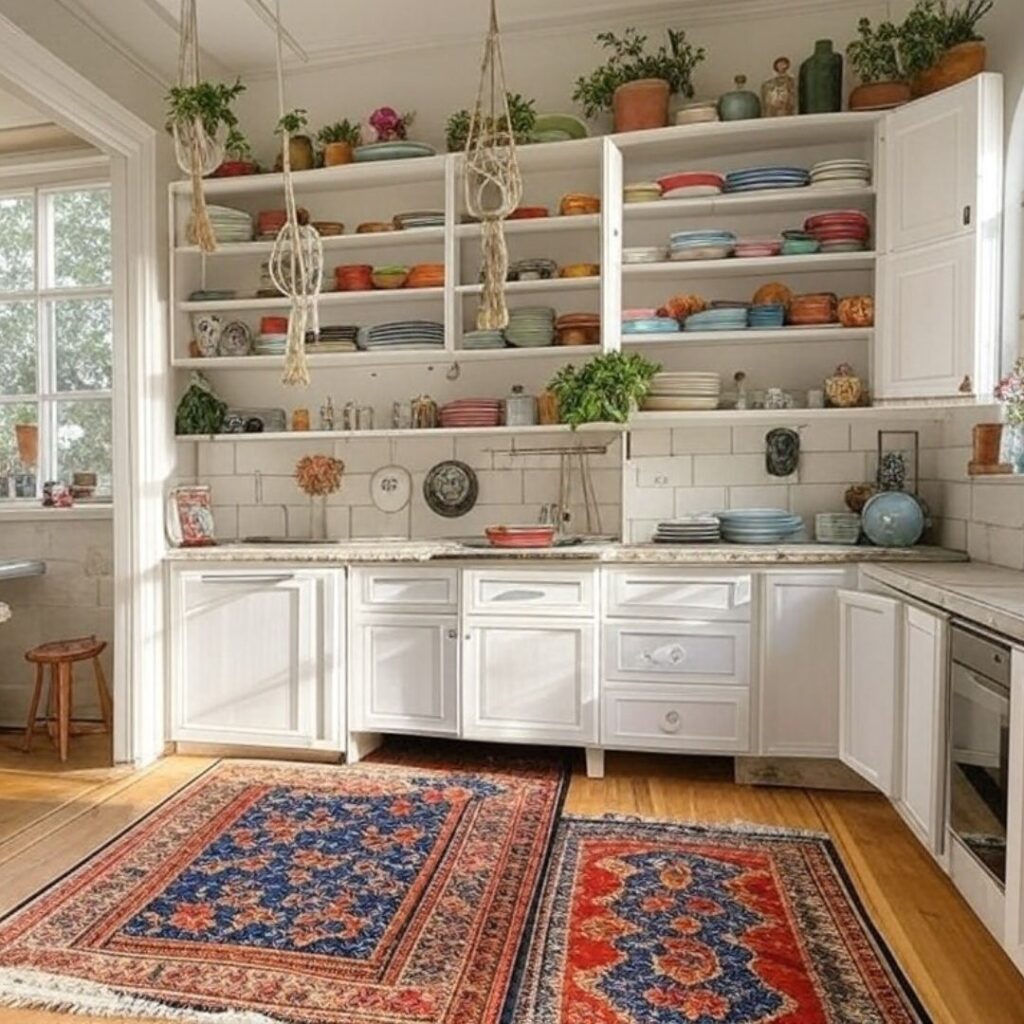
2. Bohemian White Kitchen Ideas
3. Coastal White Kitchen Ideas
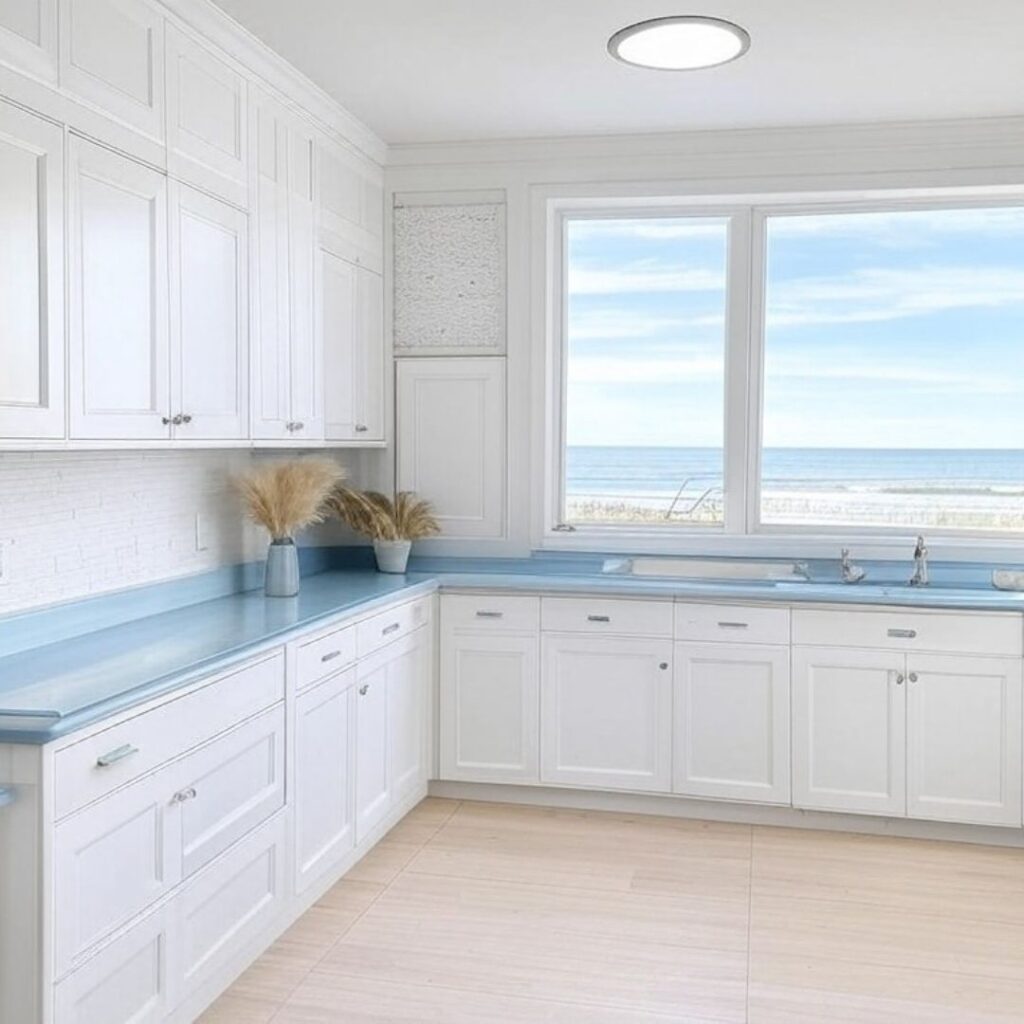
4. Colonial White Kitchen Ideas
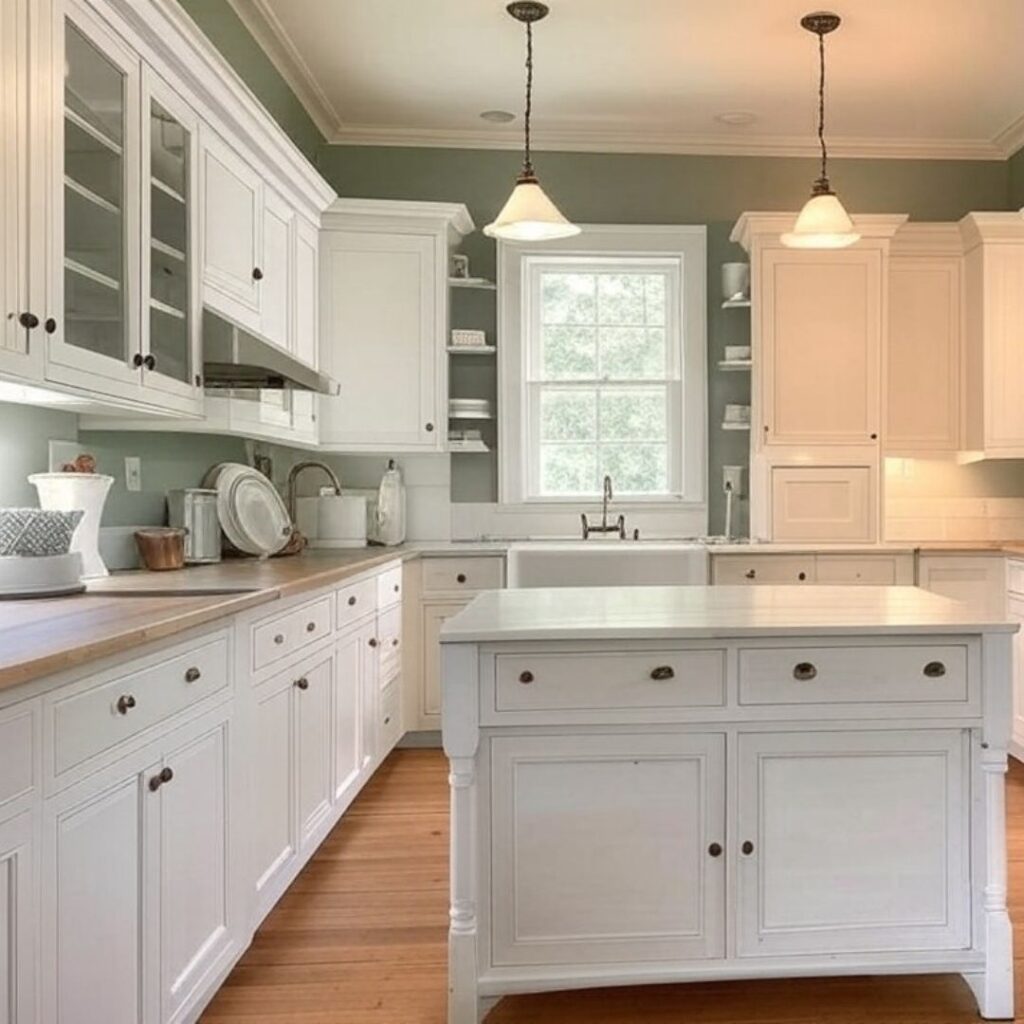
5. Contemporary White Kitchen Ideas
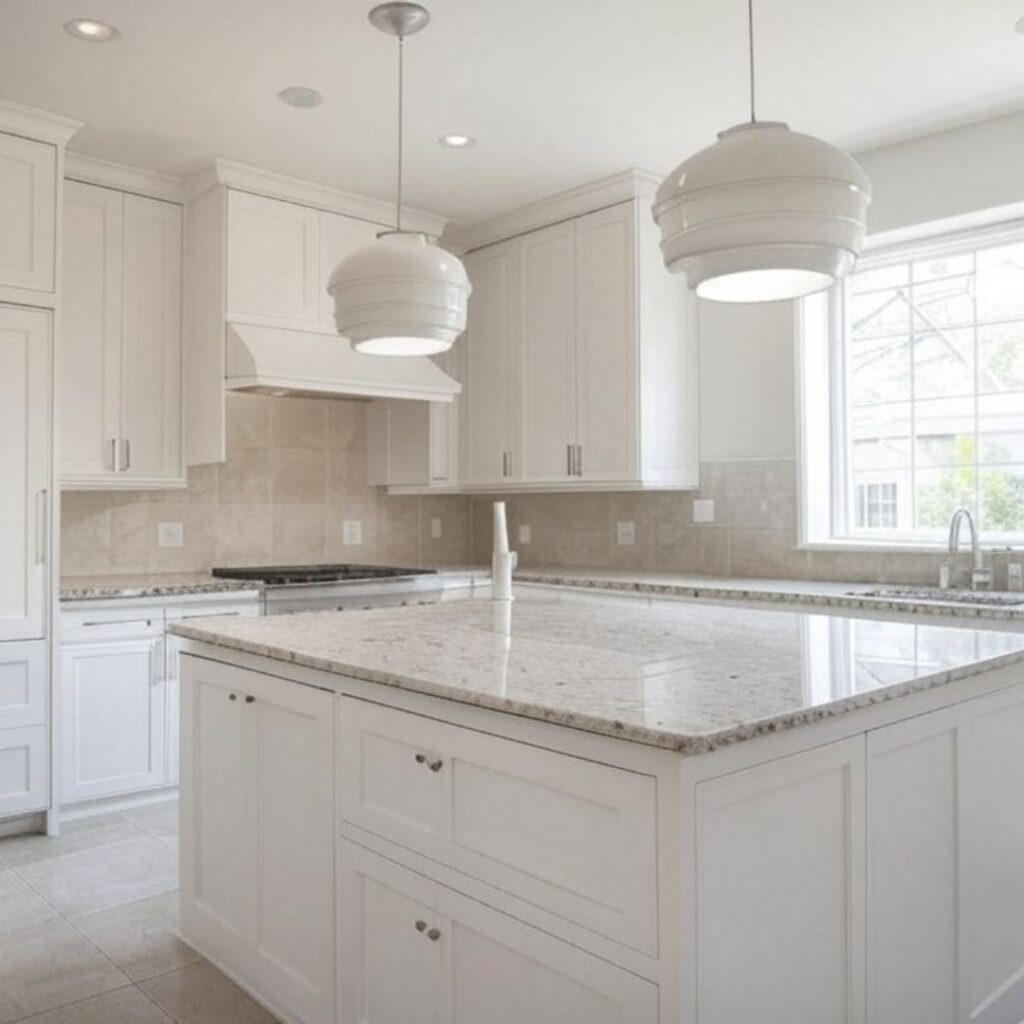
6. Eclectic White Kitchen Ideas
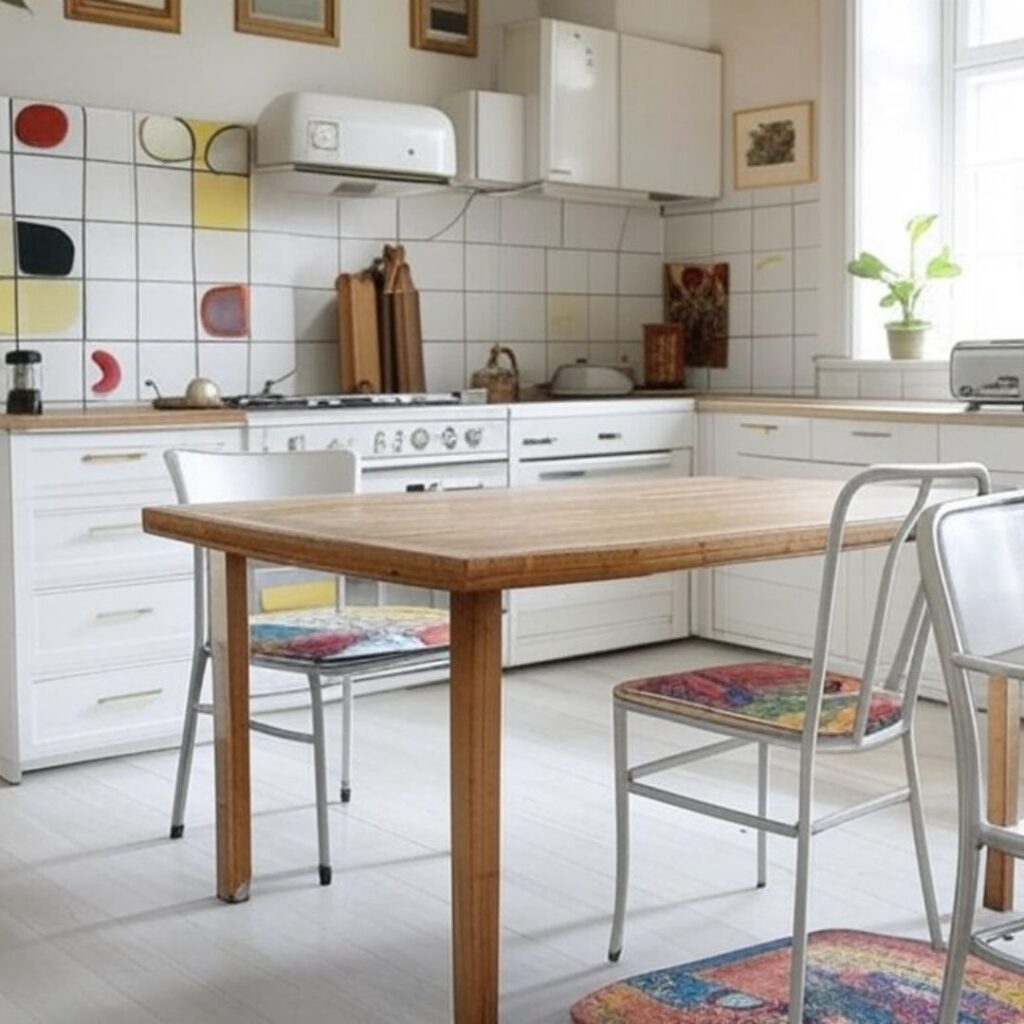
7. Farmhouse White Kitchen Ideas
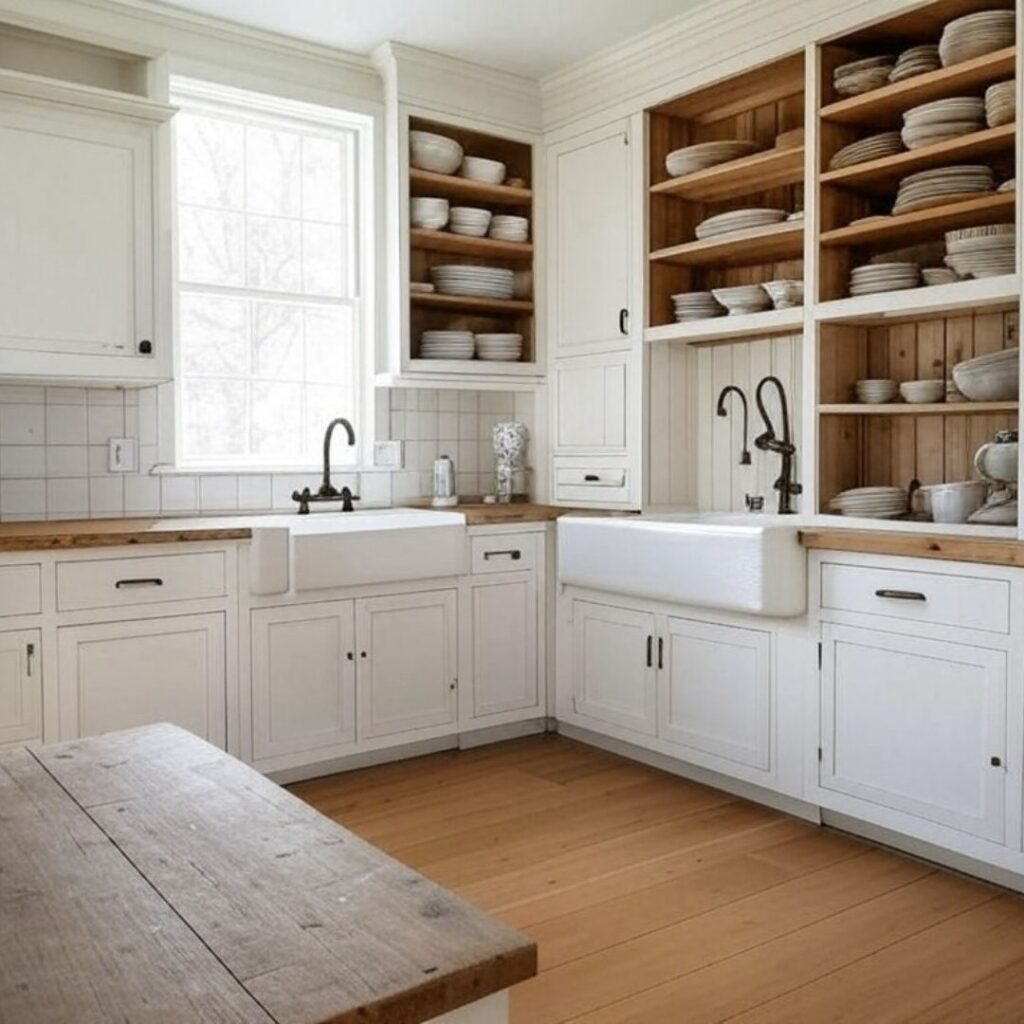
8. Futuristic White Kitchen Ideas
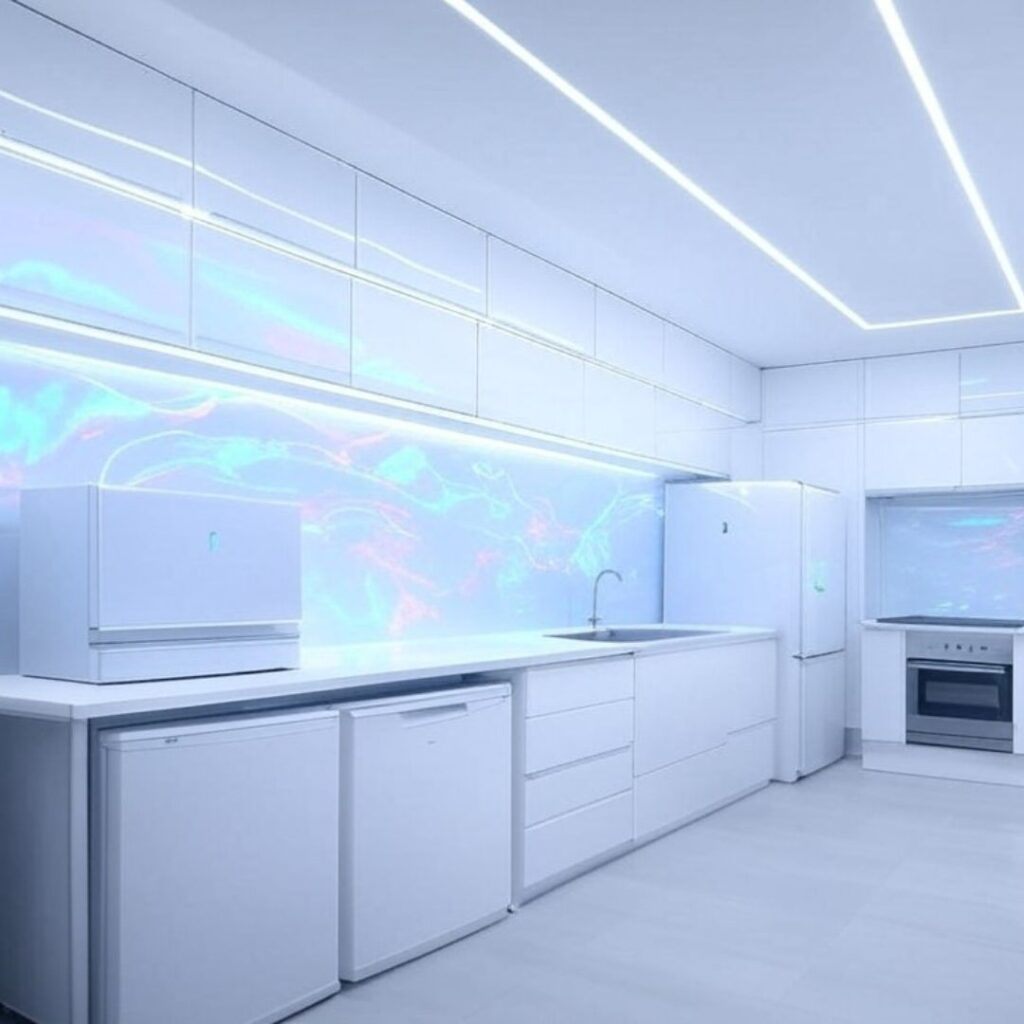
9. Hollywood Regency White Kitchen Ideas
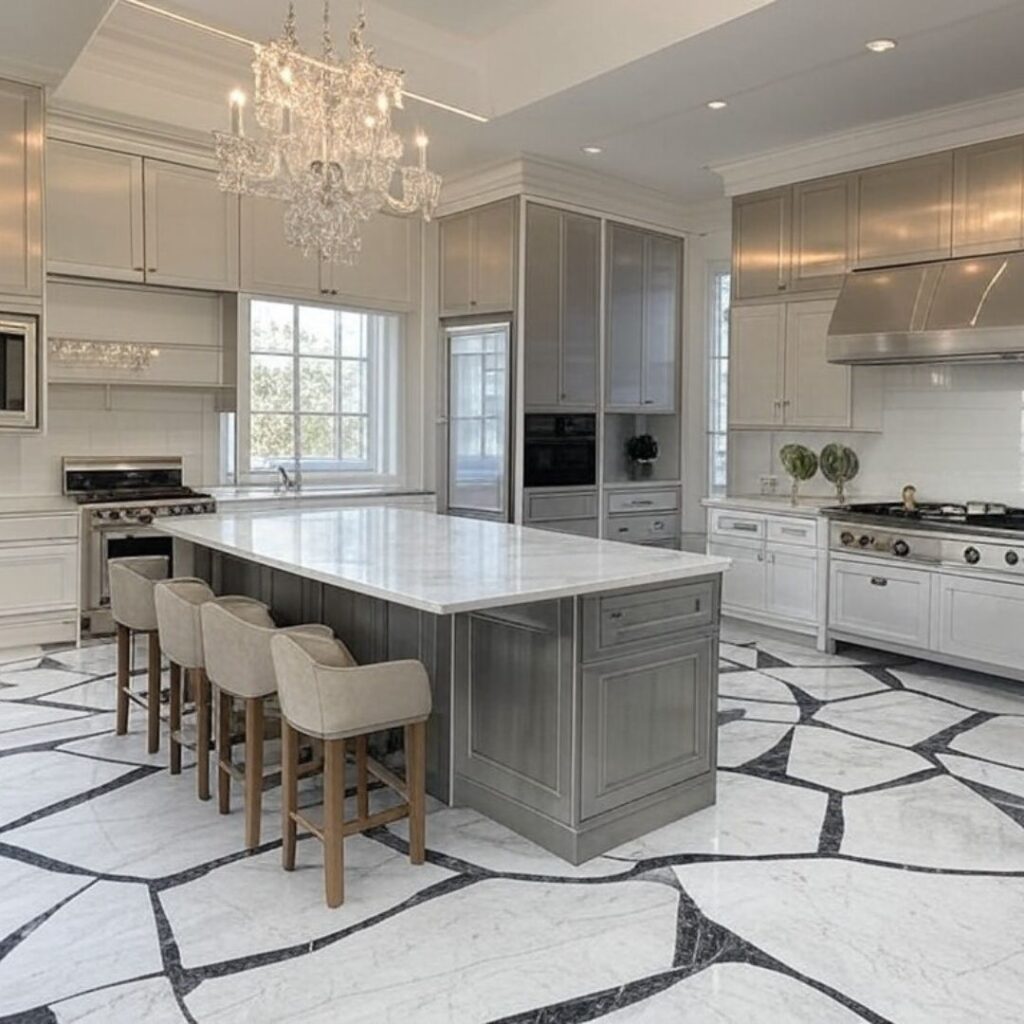
10. Industrial White Kitchen Ideas
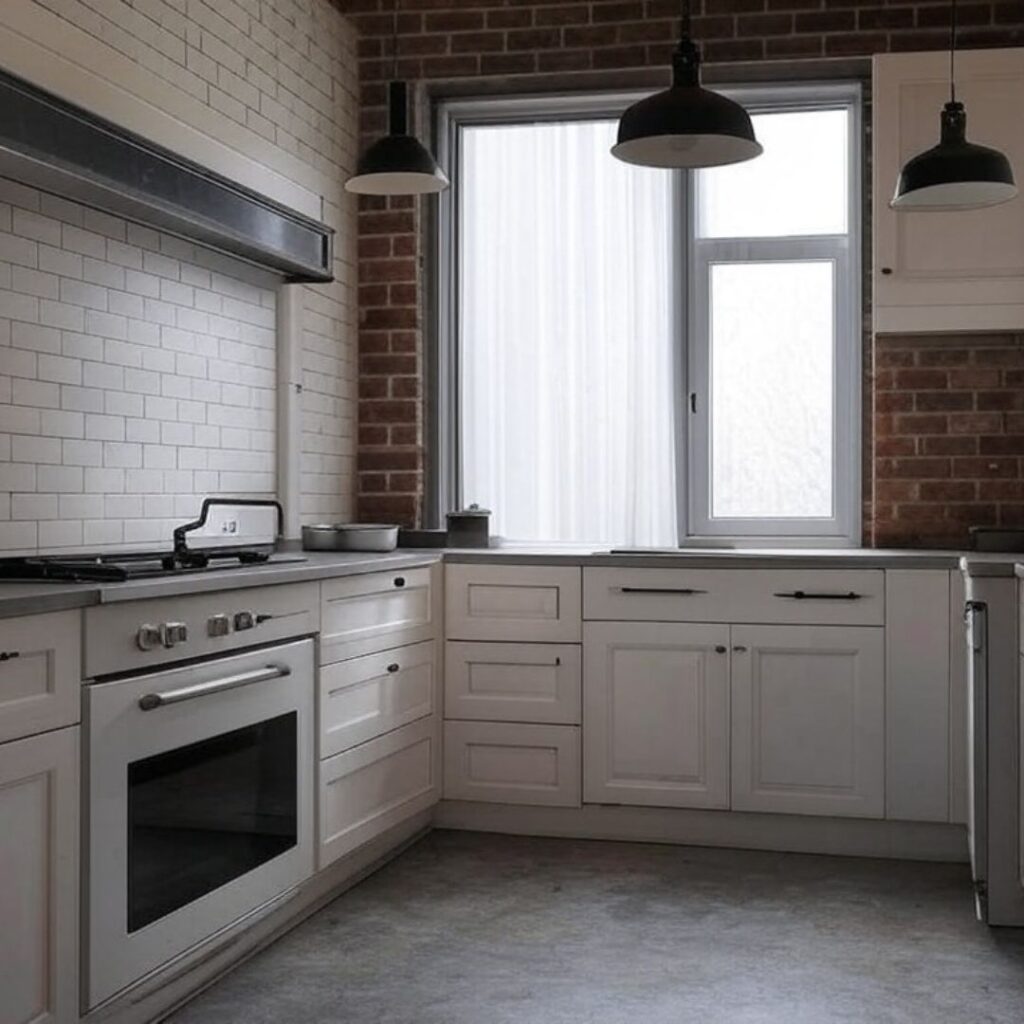
11. Japanese White Kitchen Ideas
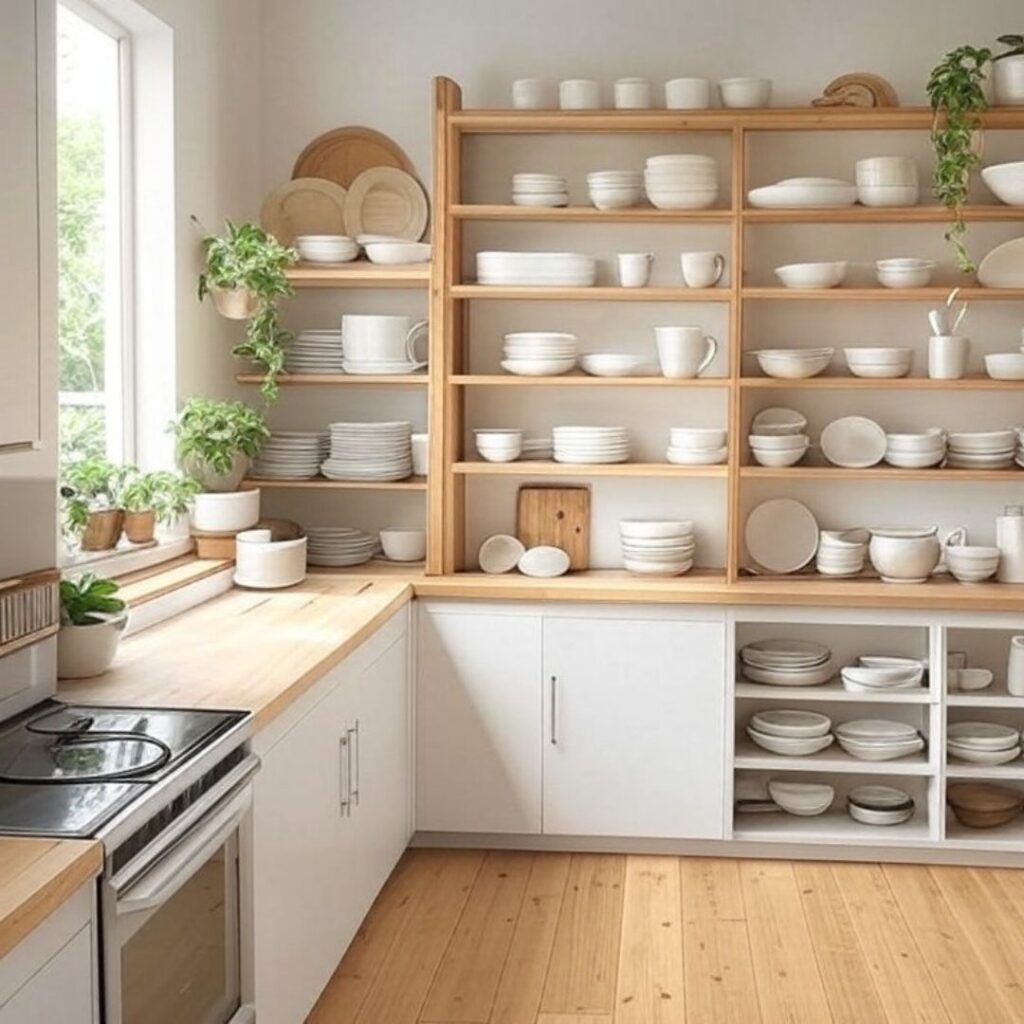
12. Luxury White Kitchen Ideas
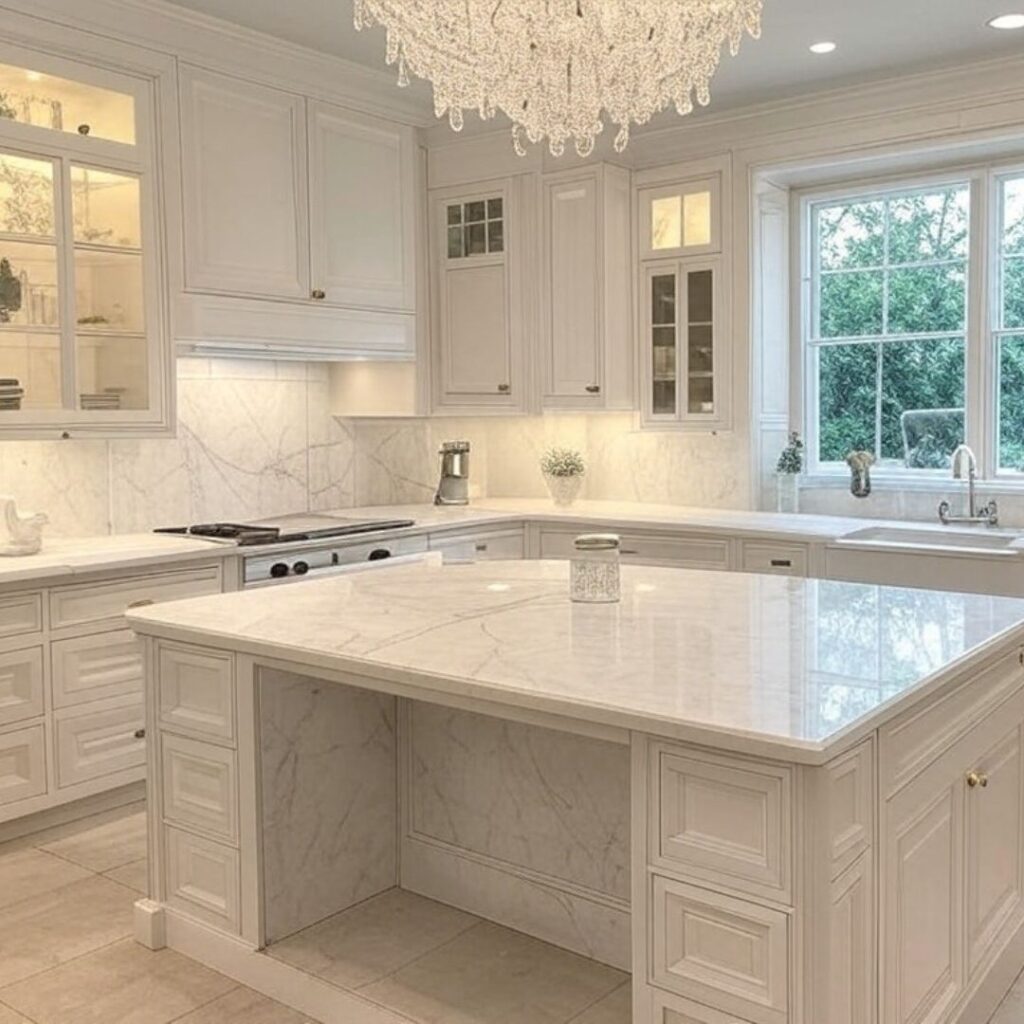
13. Maximalist White Kitchen Ideas
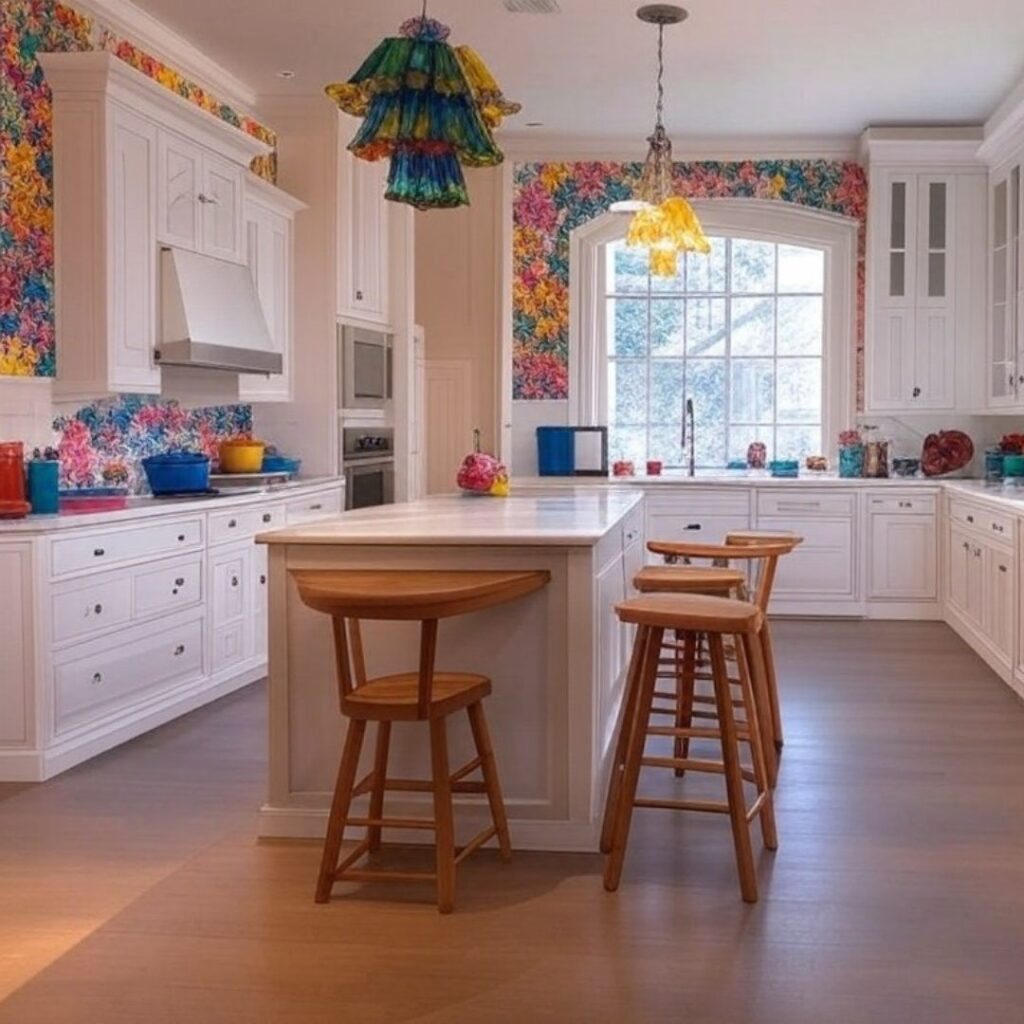
14. Mediterranean White Kitchen Ideas
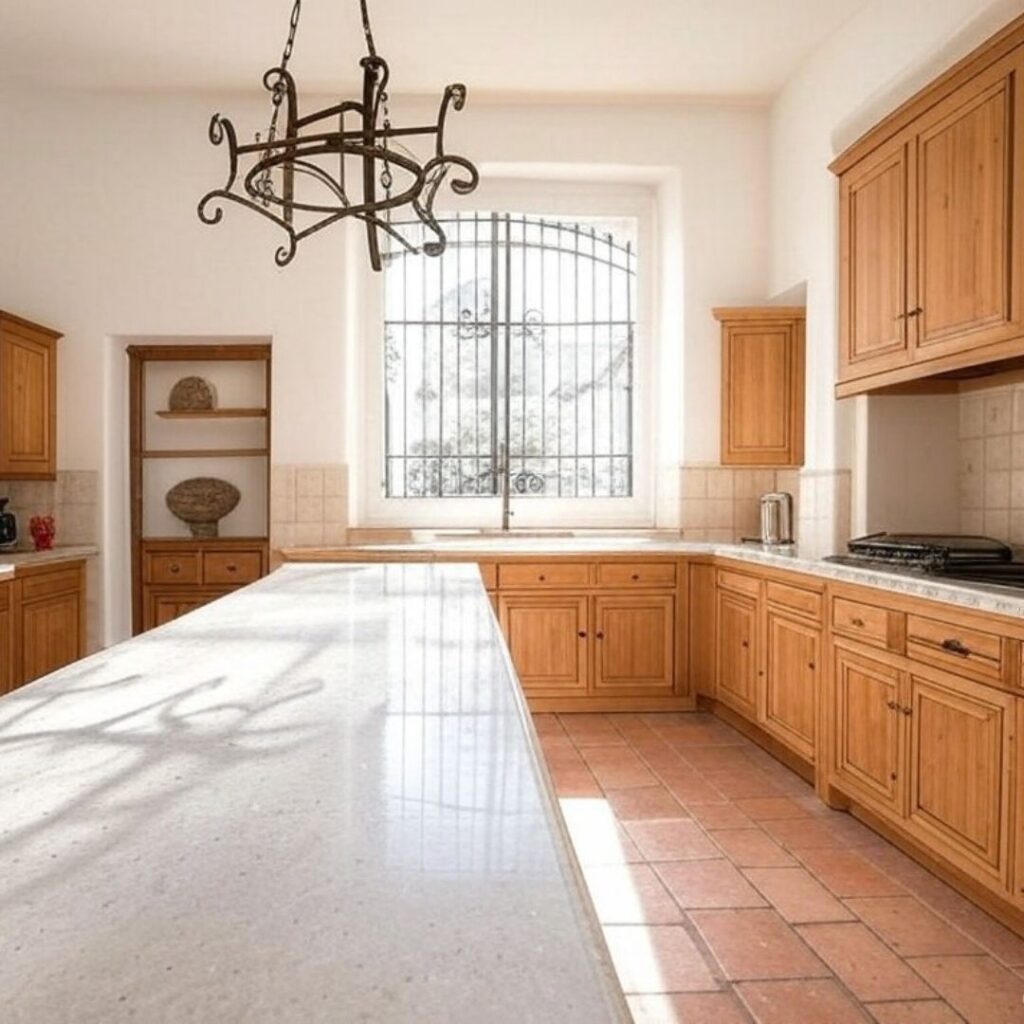
15. Mid-Century Modern White Kitchen Ideas
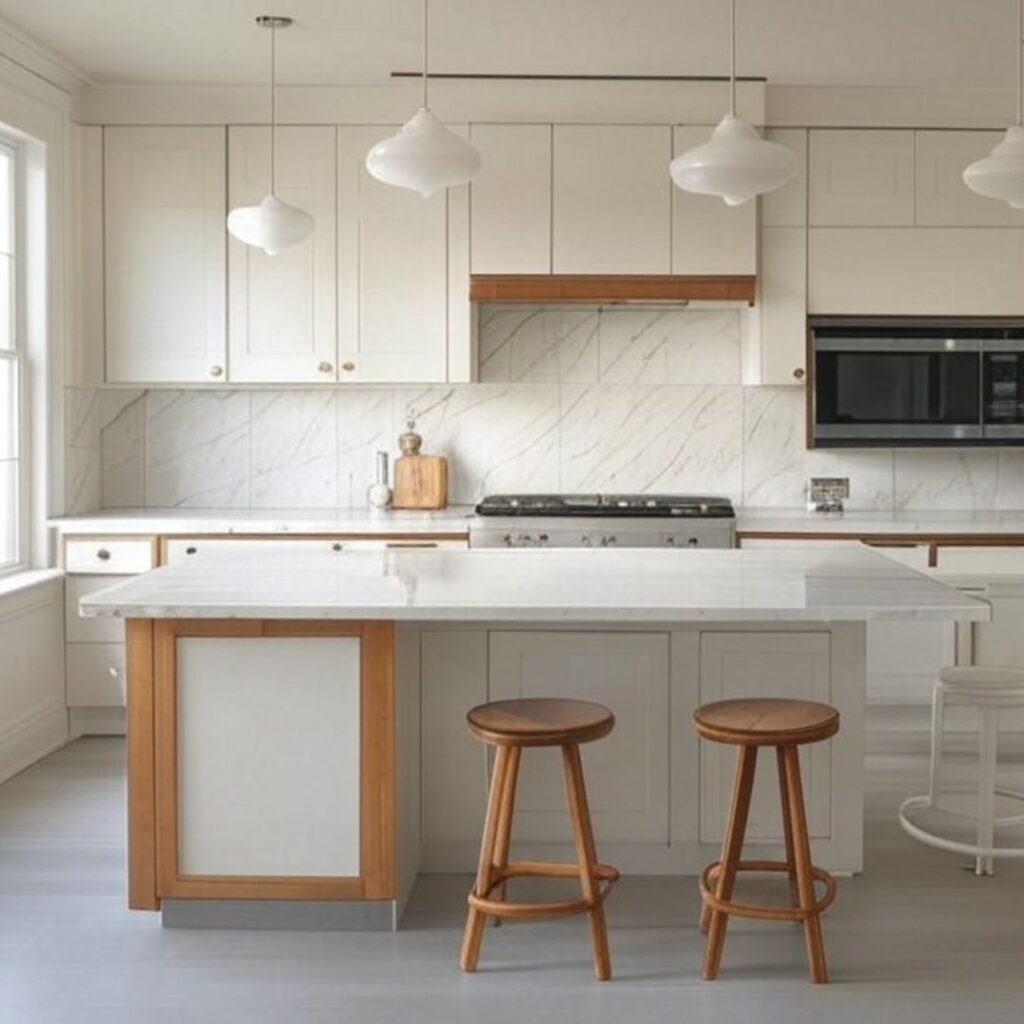
16. Modern White Kitchen Ideas
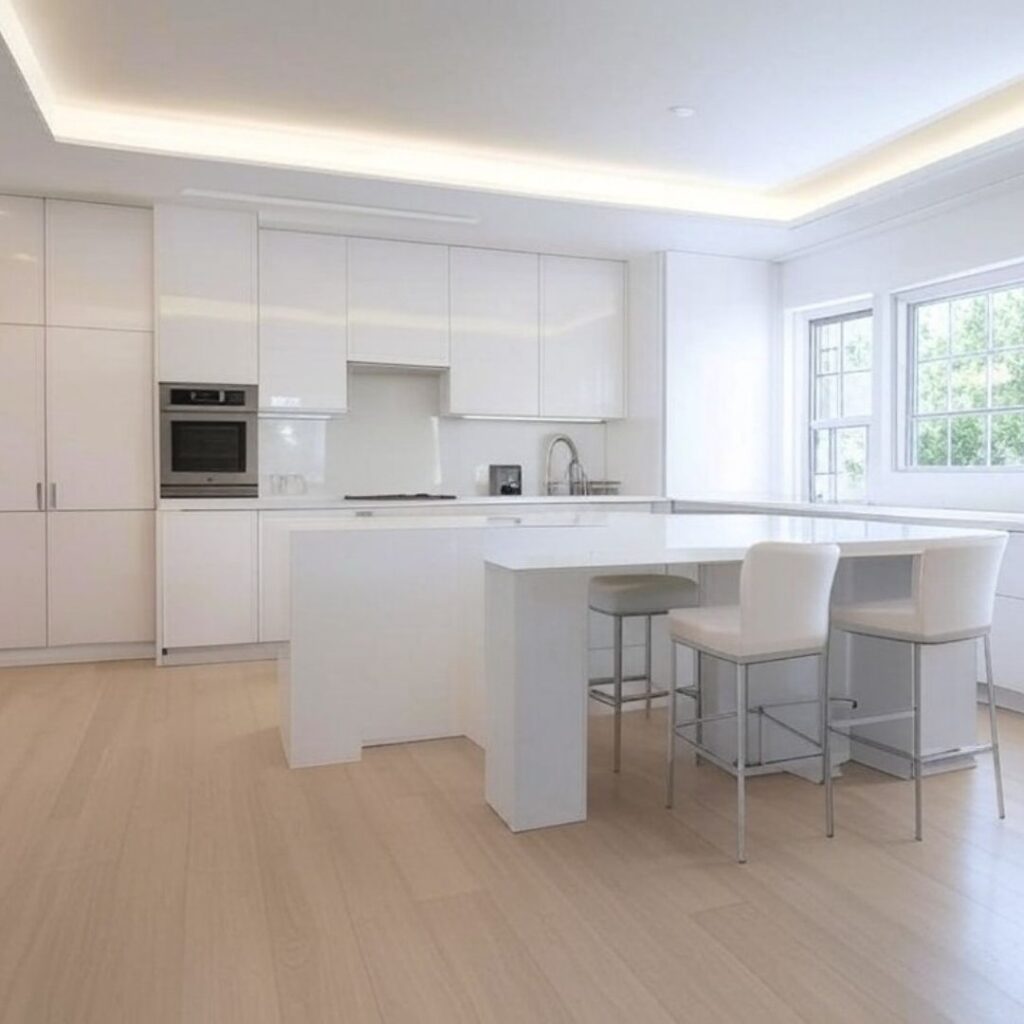
17. Neoclassical White Kitchen Ideas
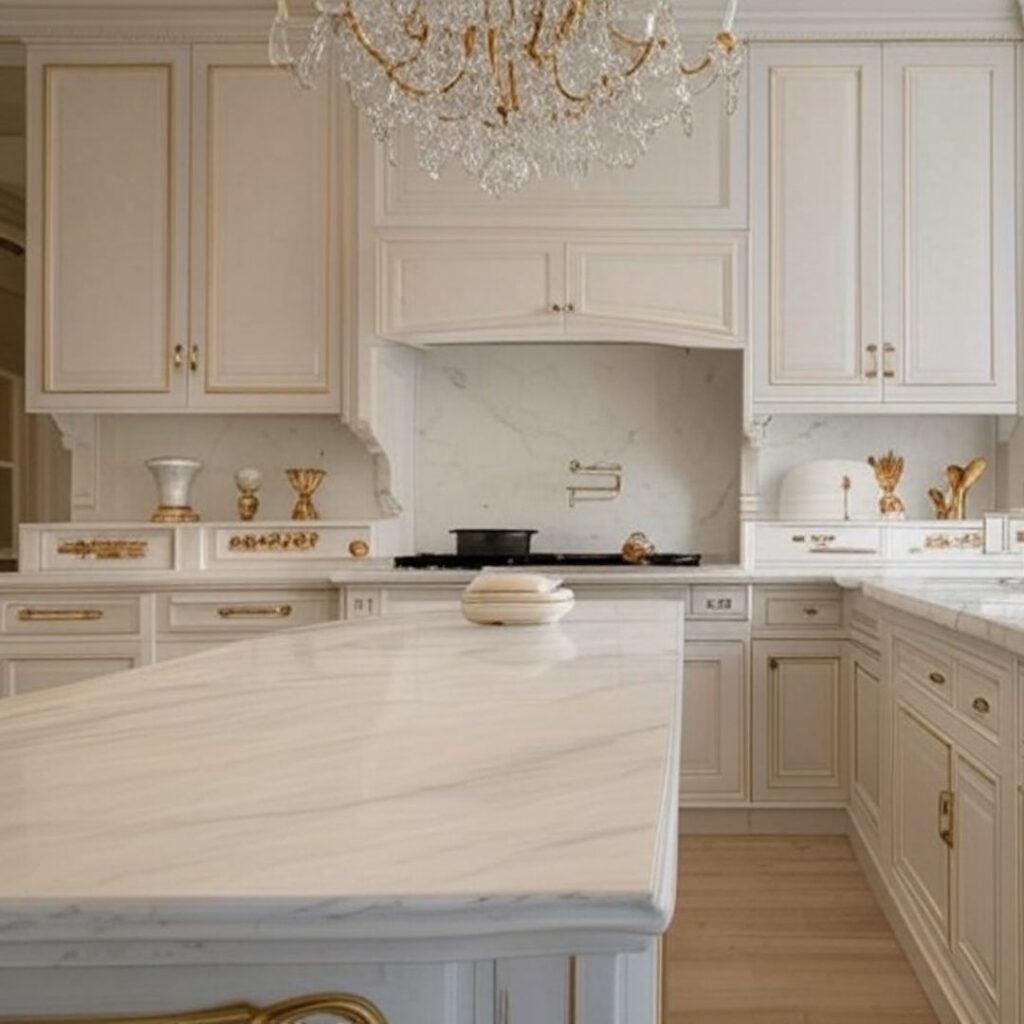
18. Rustic White Kitchen Ideas
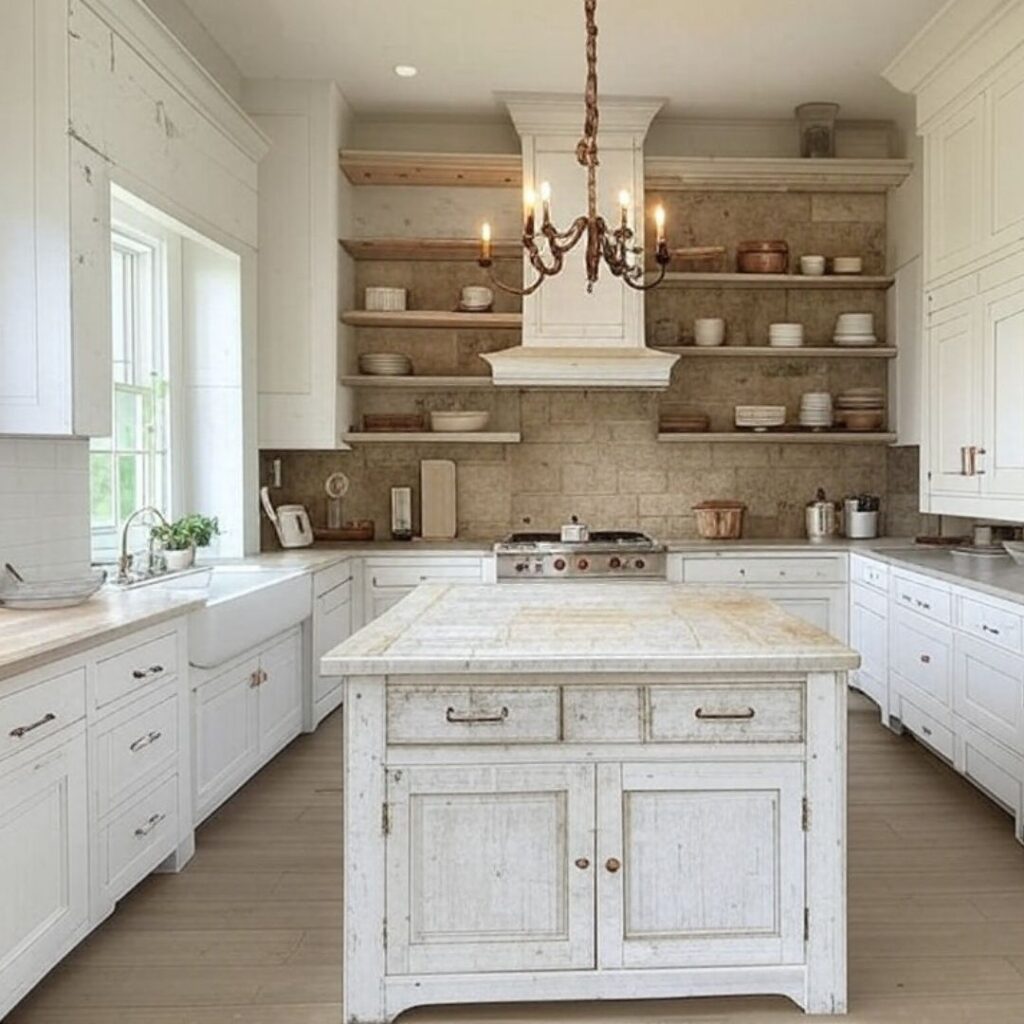
19. Scandinavian White Kitchen Ideas
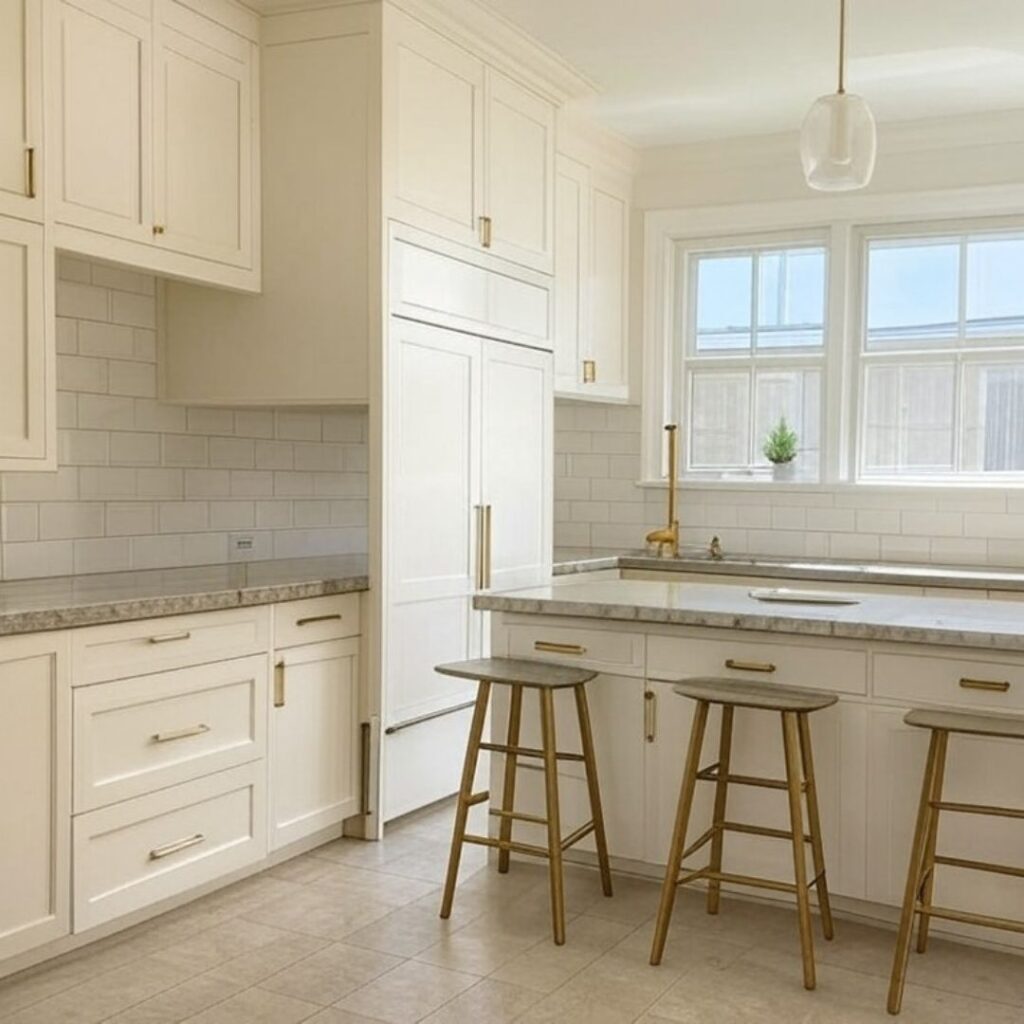
20. Traditional White Kitchen Ideas
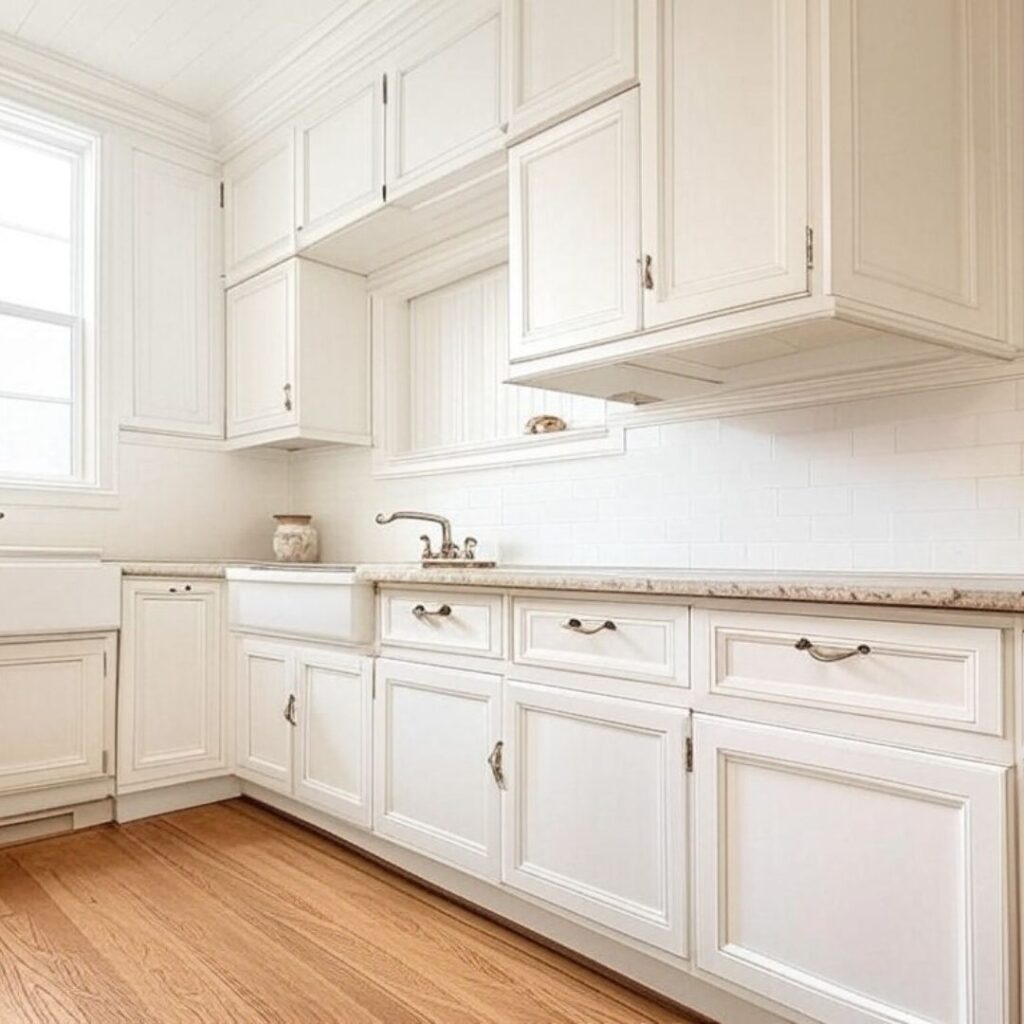
21. Transitional White Kitchen Ideas
Why Choose a White Kitchen
White kitchens offer a transformative design solution that elevates your home’s aesthetic and functionality. The versatility of white creates a canvas for personalized style while delivering timeless visual appeal.
Timeless Elegance and Appeal
White kitchens transcend design trends by providing a clean, sophisticated backdrop, making them a staple in modern kitchen ideas. Their neutral palette allows seamless integration with multiple decor styles: contemporary minimalist spaces modern farmhouse interiors and classic traditional settings. Designers appreciate white’s ability to create an elegant environment that remains visually crisp and adaptable through changing design preferences.
Maximizing Light and Space
White surfaces strategically amplify natural and artificial light within kitchen spaces. Light-reflective white cabinets countertops and walls can make compact kitchens appear larger by bouncing illumination across surfaces. Smaller kitchens gain visual depth through white color schemes that expand perceived spatial dimensions creating an open airy atmosphere that feels more expansive and welcoming.
- Using clear concise language
- Maintaining a professional tone
- Focusing on providing specific information
- Using active voice
- Avoiding unnecessary words
- Creating contextually relevant sentences
- Keeping within the specified word limits
- Connecting to the previous section’s context about white kitchen design
White Kitchen Color Schemes
White kitchens offer a versatile canvas for creative color exploration and design sophistication. Designers can transform white spaces by incorporating strategic color palettes and accent techniques.
Water and Air Palettes
The “Water” palette introduces soft coastal-inspired tones that complement white kitchens. It features:
- Greyed-out blues
- Icy grey greens
- Pale beiges
This palette mimics early morning beach colors and allows seamless mixing of paint, fabrics, furniture, and accessories. The muted tones create a tranquil aesthetic that enhances white kitchen environments.
The “Air” palette focuses on subtle color variations. Select wall shades slightly different from cabinet colors to add visual depth. Glidden colors like Coronation, Crushed Silk, and Equilibrium work exceptionally well in creating nuanced white kitchen designs.
Monochromatic White Designs
Monochromatic white designs leverage texture and material variations to create visual interest. Incorporate different white finishes like:
- Glossy ceramic tiles
- Matte marble countertops
- Textured white backsplashes
Layer white elements with varying sheen and surface treatments to prevent monotony and add sophisticated dimension.
White and Neutral Accent Combinations
Neutral accents transform white kitchens by introducing gentle contrast. Pair white surfaces with:
- Warm taupe elements
- Soft grey hardware
- Beige stone countertops
These neutral tones provide warmth and depth without overwhelming the crisp white foundation, maintaining a clean and elegant aesthetic.
White Kitchen Cabinet Styles
White kitchen cabinets transform your space with timeless elegance and versatility. Explore two distinctive styles that can elevate your kitchen’s design aesthetic.
Modern Minimalist Cabinets
Modern minimalist cabinets deliver clean lines and streamlined design. These cabinets feature flat-front panels with hidden hardware, creating a sleek and uncluttered appearance. Key characteristics include:
- Neutral color palette
- Angular geometric shapes
- Seamless integrated appliances
- Absence of ornate detailing
- Smooth surfaces with minimal texture
Traditional Shaker Style Cabinets
Shaker style cabinets represent classic American craftsmanship with their distinctive design. These cabinets feature:
- Five-piece door construction
- Recessed center panel
- Simple rectangular framework
- Functional and symmetrical design
- Versatile aesthetic that complements multiple decor styles
The content maintains the previous section’s focus on white kitchen design principles while introducing specific cabinet style details. The language is clear, concise, and professionally structured to provide readers with precise information about white kitchen cabinet options.
Countertop Options for White Kitchens
White kitchens demand carefully selected countertops that balance aesthetics and functionality. The right countertop materials can transform your kitchen’s overall design and performance.
Types of Countertops
- Quartz: Offers exceptional durability with resistance to staining, scratching, and heat. Provides a marble-like appearance with lower maintenance requirements[2][3][5].
- Granite: Delivers robust performance with natural heat and scratch resistance. Features unique patterns that add visual interest to white kitchen designs[2][3][5].
- Marble: Represents elegance and sophistication in kitchen design. Provides versatile color options including white and gray tones that complement white kitchens[2][3][5].
Marble and Quartz Selections
Marble countertops range from classic white Carrara to dramatic veined patterns. Quartz offers consistent colors and designs mimicking natural stone without maintenance challenges. Select options that balance visual appeal with practical kitchen performance.
Complementary Countertop Colors
White kitchens benefit from countertop colors that introduce subtle contrast. Explore light grays, soft beiges, and warm taupe tones that enhance the kitchen’s brightness while maintaining a clean aesthetic. Consider veining and texture variations to add depth to your white kitchen design.
White Kitchen Backsplash Ideas
White kitchen backsplashes offer versatile design options that transform your kitchen’s aesthetic. These design elements provide both functional protection and artistic expression through various materials and styles.
Subway Tile Designs
Classic white subway tiles create a clean and timeless backdrop for your kitchen, seamlessly complementing various kitchen cabinet ideas. Arrange these rectangular tiles in traditional horizontal patterns or experiment with herringbone and vertical layouts to add visual interest. 3-inch by 6-inch ceramic tiles remain the most popular size for contemporary kitchen designs, providing a versatile foundation that pairs beautifully with a variety of cabinet styles.
Textured and Patterned Backsplashes
Elevate your white kitchen with textured backsplash options that introduce depth and dimension. Three-dimensional ceramic tiles with raised geometric patterns or handcrafted zellige tiles can break up monotonous surfaces. Consider embossed tiles with subtle relief patterns or handmade tiles featuring irregular textures to create a unique focal point in your kitchen space.
Flooring Choices for White Kitchens
Flooring plays a critical role in defining the overall aesthetic of your white kitchen. The right flooring can enhance brightness, create visual interest, and complement your white cabinetry and design elements.
Hardwood and Tile Options
White kitchens offer versatile flooring opportunities with multiple materials. Hardwood and tile provide distinct advantages:
| Material | Characteristics | Best Suited For |
|---|---|---|
| Hardwood | Natural warmth | Open kitchens |
| Porcelain Tile | Moisture resistance | High-traffic areas |
| Ceramic Tile | Affordable | Budget-conscious designs |
| Luxury Vinyl | Durability | Families with children |
Light vs. Dark Flooring Contrast
Light and dark flooring create different visual impacts in white kitchens:
- Light floors expand perceived space and reflect maximum light
- Dark floors anchor the room and provide dramatic visual contrast
- Medium-toned floors balance brightness and depth
- Select flooring that complements your kitchen’s natural light conditions
- Consider room size when choosing floor color intensity
The flooring selection directly influences your white kitchen’s overall atmosphere and design cohesiveness.
Lighting and Decor Considerations
Lighting transforms white kitchens from functional spaces to design statements. Strategic illumination and thoughtful accessories can elevate your kitchen’s aesthetic and functionality.
Pendant and Under-Cabinet Lighting
Pendant lights serve as both functional and decorative elements in white kitchens. Choose metal finishes that complement your cabinetry: sleek stainless steel for modern spaces or brushed brass for warmth. Danish modern pendants create visual interest over islands or dining areas. For smaller kitchens, vintage-inspired geometric designs add character without overwhelming the space.
Complement pendant lighting with under-cabinet LED solutions. These lights brighten work surfaces and create depth in white kitchens lacking natural light. Install dimmable options to adjust ambiance throughout the day. Combine can lights and under-counter illumination for comprehensive kitchen lighting that highlights clean lines and surfaces.
Accessorizing White Kitchen Spaces
Accessories introduce personality to white kitchens without compromising their clean aesthetic, making them ideal for small kitchen ideas. Select ceramic cookware in muted tones like sage green or soft blue to add subtle color. Display cutting boards with natural wood tones against white backgrounds for textural contrast. Incorporate metallic accents through utensil holders or small appliances to break visual monotony.
Choose minimalist accessories that enhance rather than clutter your kitchen. Glass canisters for dry goods metallic fruit bowls and single statement art pieces can transform white spaces from sterile to sophisticated.
Practical Maintenance Tips
White kitchens require consistent care to maintain their pristine appearance. Follow these essential maintenance strategies to keep your white kitchen looking fresh and clean.
Keeping White Surfaces Clean
Use microfiber cloths for daily surface cleaning. Create an effective cleaning solution by mixing baking soda with white vinegar and warm water. Wipe surfaces gently to remove light dirt and prevent buildup. Focus on high-touch areas like cabinet handles and countertop edges. Clean spills immediately to prevent potential staining or discoloration of white surfaces.
Preventing Discoloration and Stains
Protect white kitchen surfaces from potential yellowing and stains through proactive measures. Install window treatments like light-filtering curtains or UV-protective blinds to minimize sun damage. Use exhaust fans during cooking to reduce grease accumulation. Select stain-resistant materials for countertops and backsplashes. Apply protective sealants on porous surfaces to create an additional barrier against potential discoloration.