
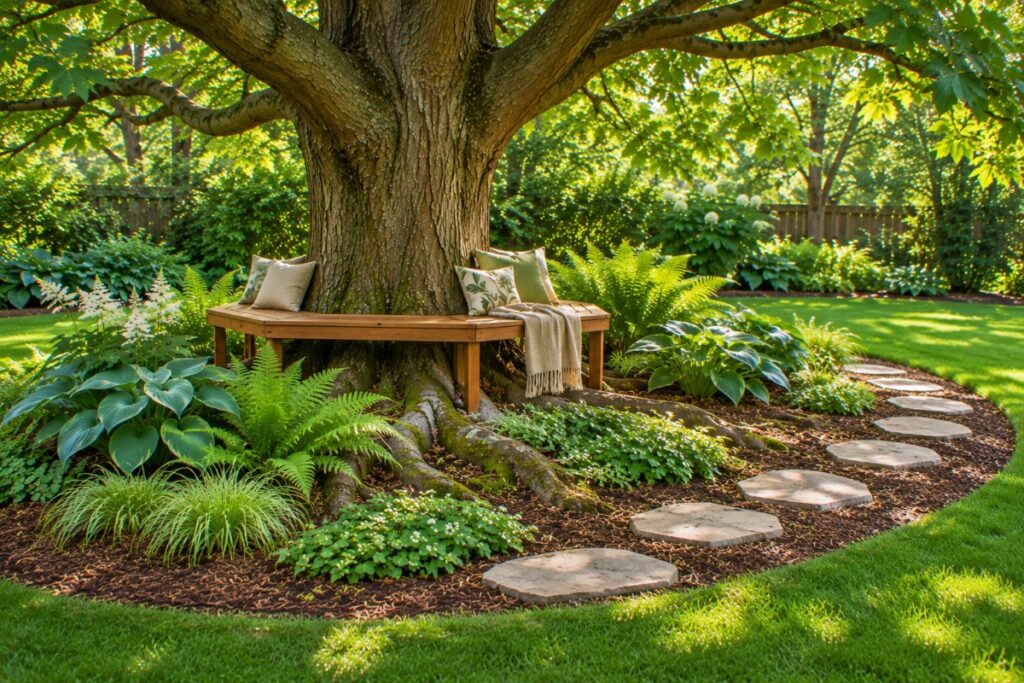
A big old tree is one of the best things a yard can have, until you try to grow anything beneath it.
Grass thins out, roots pop up through the lawn and the mower bumps over them every week.
The secret to landscaping around tree roots isn’t covering them up with soil. It’s working gently with the root zone, so the tree stays healthy and the ground beneath it looks cared for.
Most of a tree’s feeding roots sit in the top foot or so of soil, often spreading well past the edge of the canopy, so every idea here keeps digging light and soil changes small.
These 13 landscaping ideas around tree roots will help you turn that awkward patch into a shady, welcoming spot.
Ground Covers for Under Trees
| Plant | Light | Notes |
|---|---|---|
| Barrenwort (Epimedium) | Part to full shade | One of the best for dry shade under trees |
| Wild ginger (Asarum) | Part to full shade | Glossy heart-shaped leaves, slow but steady |
| Foamflower (Tiarella) | Part to full shade | Frothy spring flowers, likes moist soil |
| Bugleweed (Ajuga) | Sun to part shade | Fast cover with blue spring flowers |
| Hellebore (Helleborus) | Part shade | Evergreen leaves and late winter blooms |
| Sedges (Carex) | Sun to shade | Grass-like look without mowing |
1. Spread a Wide Mulch Ring Instead of Fighting Grass
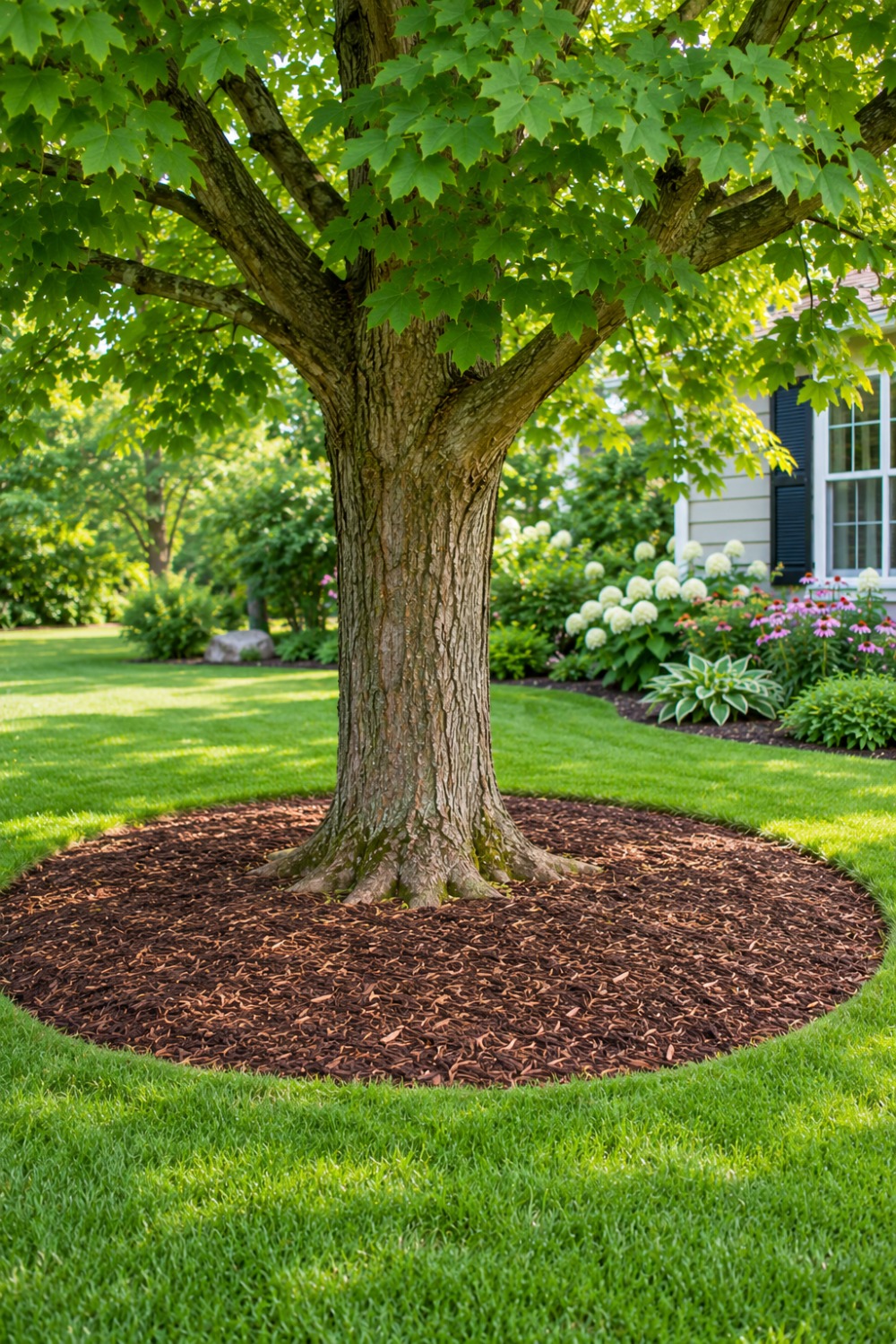
Grass and tree roots compete for the same water and food, and under a big tree the grass usually loses.
A wide mulch ring ends the battle, protects roots from mower damage and slowly feeds the soil as it breaks down.
Wider is better. A ring that reaches toward the edge of the canopy is far more helpful than a small circle around the trunk.
How to do it:
- Smother grass with cardboard rather than digging it out.
- Spread 2 to 4 inches of wood chips over the top.
- Keep mulch a few inches away from the trunk, never piled up against it.
2. Plant Shade-Loving Ground Covers Between Roots
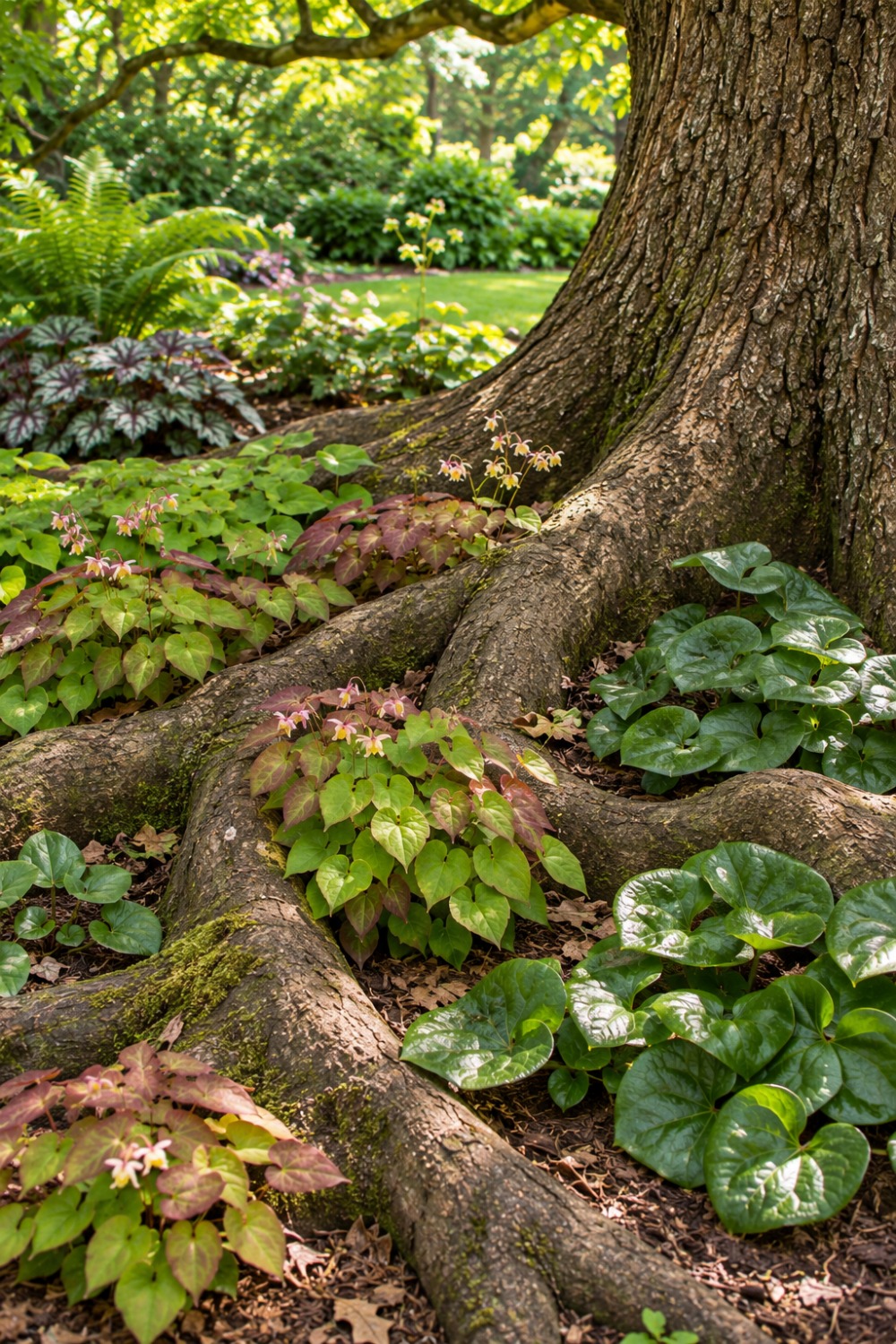
Where grass won’t grow, a living carpet of shade-tolerant ground covers looks lush and needs no mowing.
Barrenwort, wild ginger, foamflower and sedges are good choices for dry or part shade.
Avoid aggressive spreaders like English ivy, which can climb trunks and is invasive in many regions. Your local nursery can suggest natives that suit your area.
How to do it:
- Choose small plants or plugs rather than big pots.
- Plant them in pockets of soil between roots.
- Water regularly for the first year while they settle in.
3. Tuck Small Plugs Into Pockets Between Roots
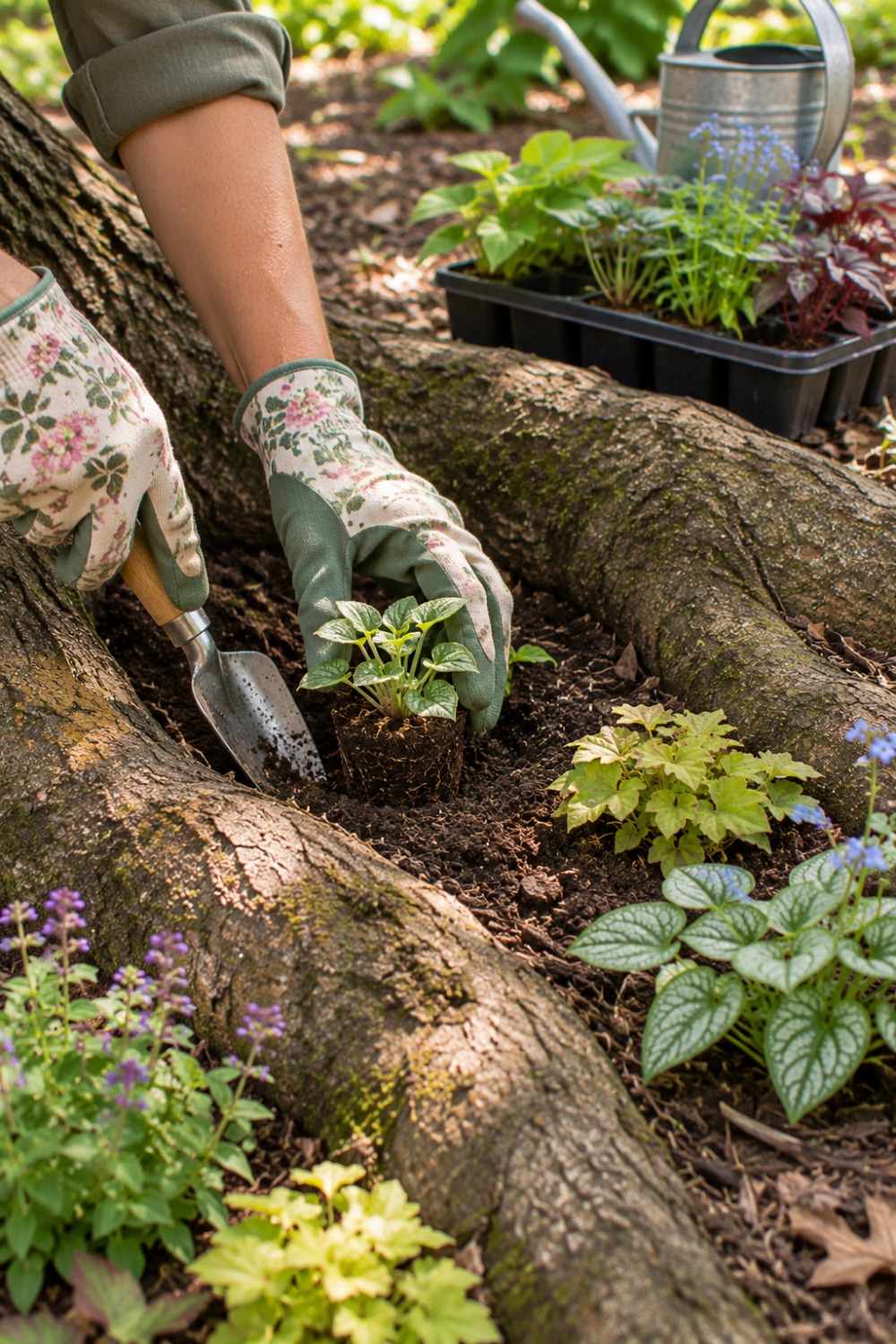
Large planting holes can cut through important roots, so think small.
Young plants in small pots or plug trays need only a hand trowel, and they establish quickly in the loose surface soil.
If you hit a root, move the hole a few inches instead of cutting through it.
How to do it:
- Use a hand trowel instead of a spade.
- Dig each hole just big enough for the root ball.
- Fill with a little compost, firm gently and water well.
4. Grow Spring Bulbs Under Deciduous Trees
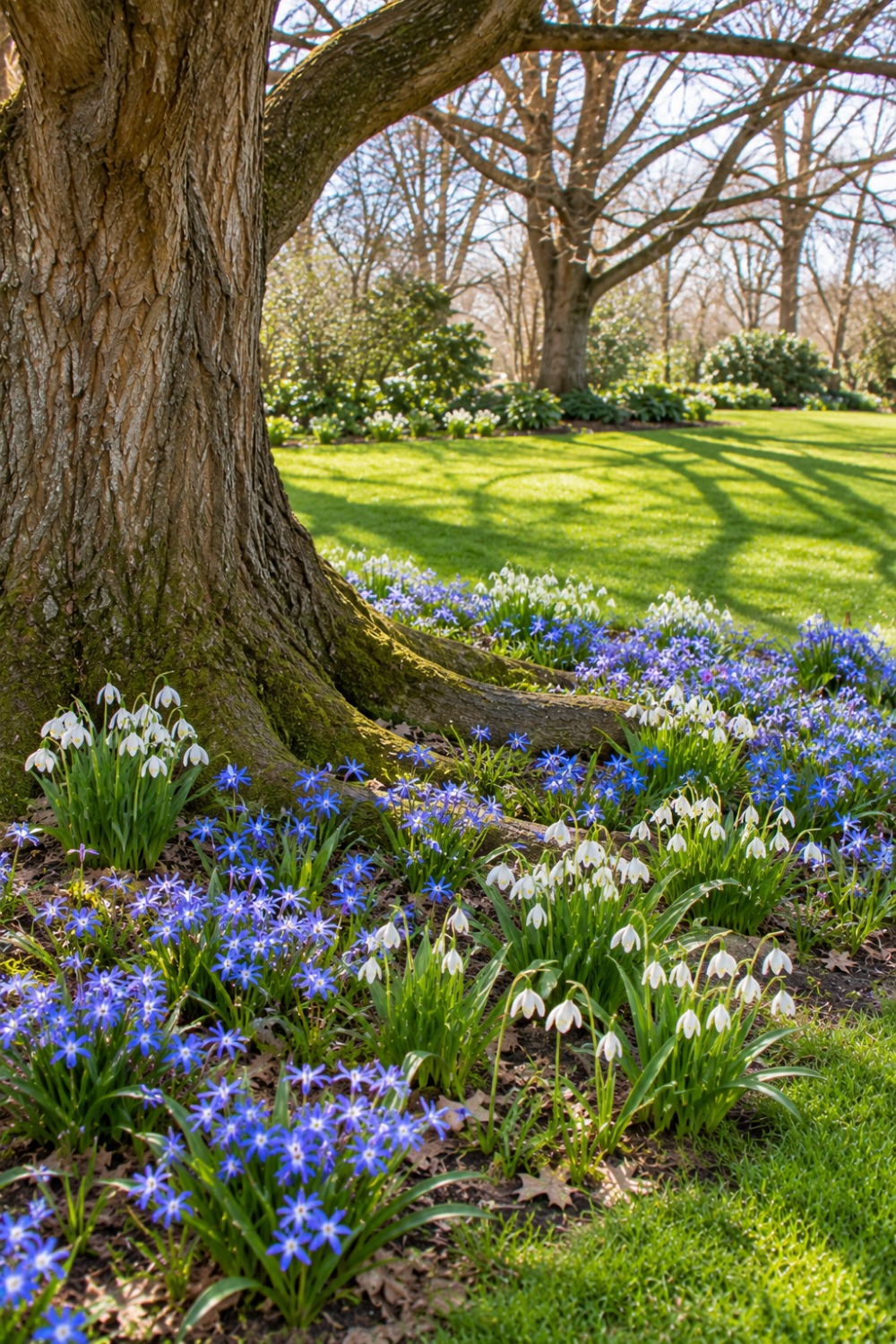
Under trees that lose their leaves, early spring is a sunny season.
Small bulbs like snowdrops, crocus, scilla and grape hyacinths flower before the canopy fills in, then quietly fade away.
They need only tiny holes, so they’re gentle on the roots and spread over the years into lovely drifts.
How to do it:
- Plant small bulbs in autumn, a few inches deep, using a narrow bulb planter.
- Scatter them by the handful and plant where they land for a natural look.
- Let the leaves fade naturally so the bulbs come back each year.
5. Create a Woodland Look With Hostas and Ferns
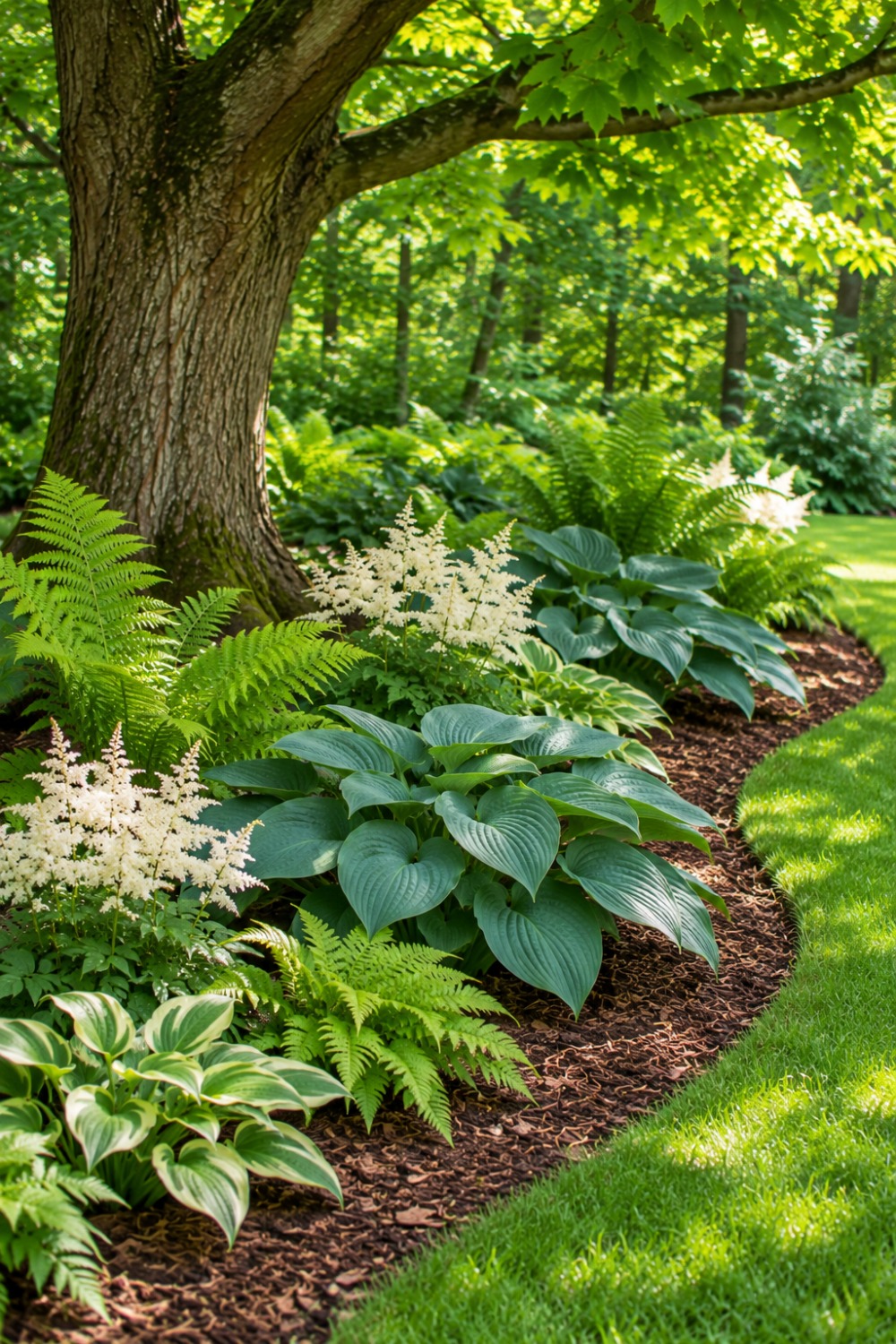
Hostas and ferns are classics in shade, and together they make the area under a tree feel like a woodland glade.
Mix leaf shapes and colors, such as broad blue hostas, lacy ferns and fluffy astilbe, for depth without flowers.
These plants like moisture, so they do best under trees with less greedy roots or where you can water in dry spells.
How to do it:
- Pick a few plants of each type to keep the look calm.
- Plant them in small pockets between roots.
- Water deeply during dry spells, since tree roots take most of the moisture.
6. Set Containers on Top of the Root Zone
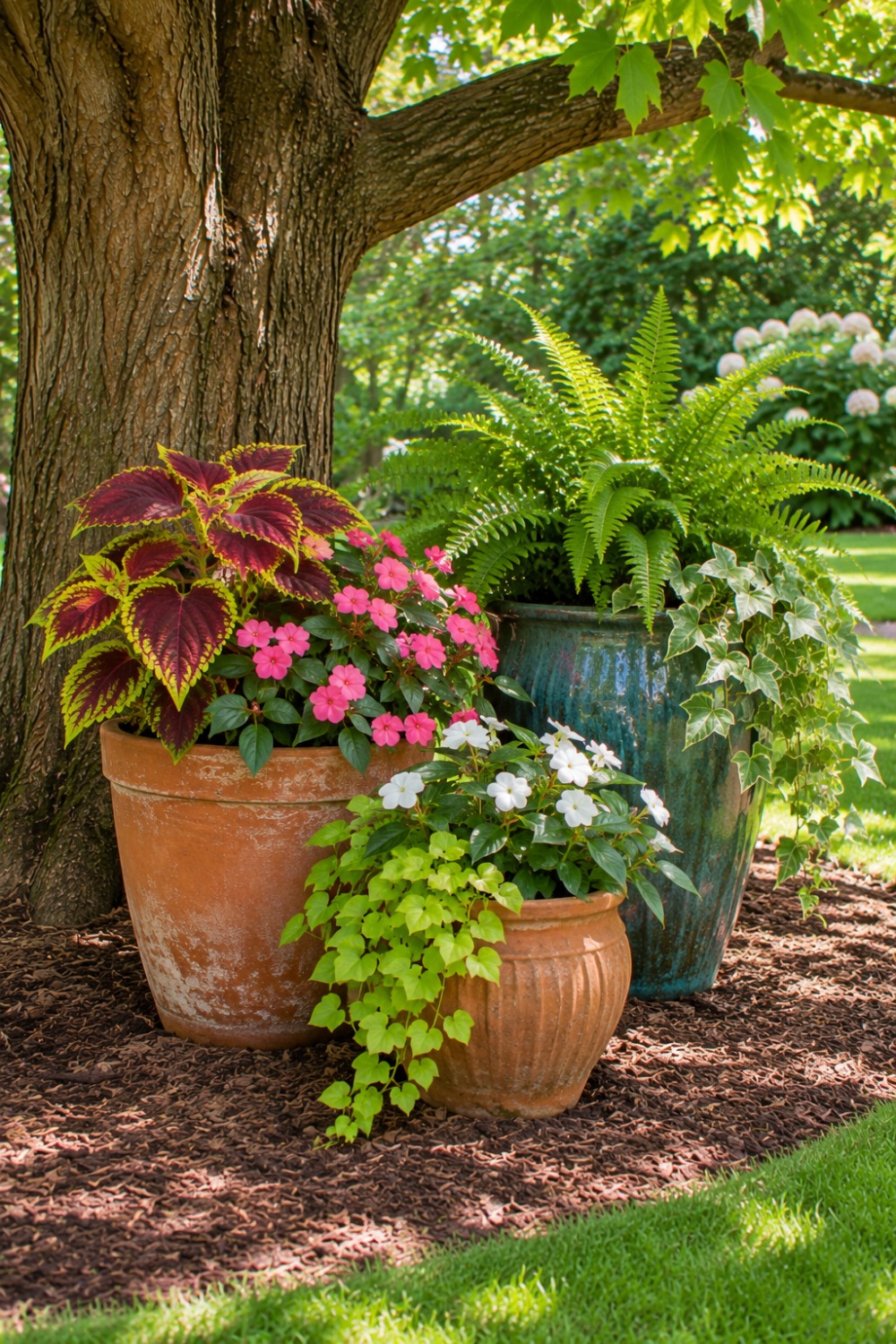
When roots are too thick to plant between, grow plants above them instead.
A group of large containers adds color and height without disturbing a single root.
Shade annuals like coleus, begonias and impatiens bring bright color to the darkest corners.
How to do it:
- Choose three pots of different sizes for a balanced group.
- Set them on bricks or pot feet so water drains away freely.
- Water containers often, as the tree’s canopy can block rain.
7. Lay a Floating Stepping Stone Path Over the Roots
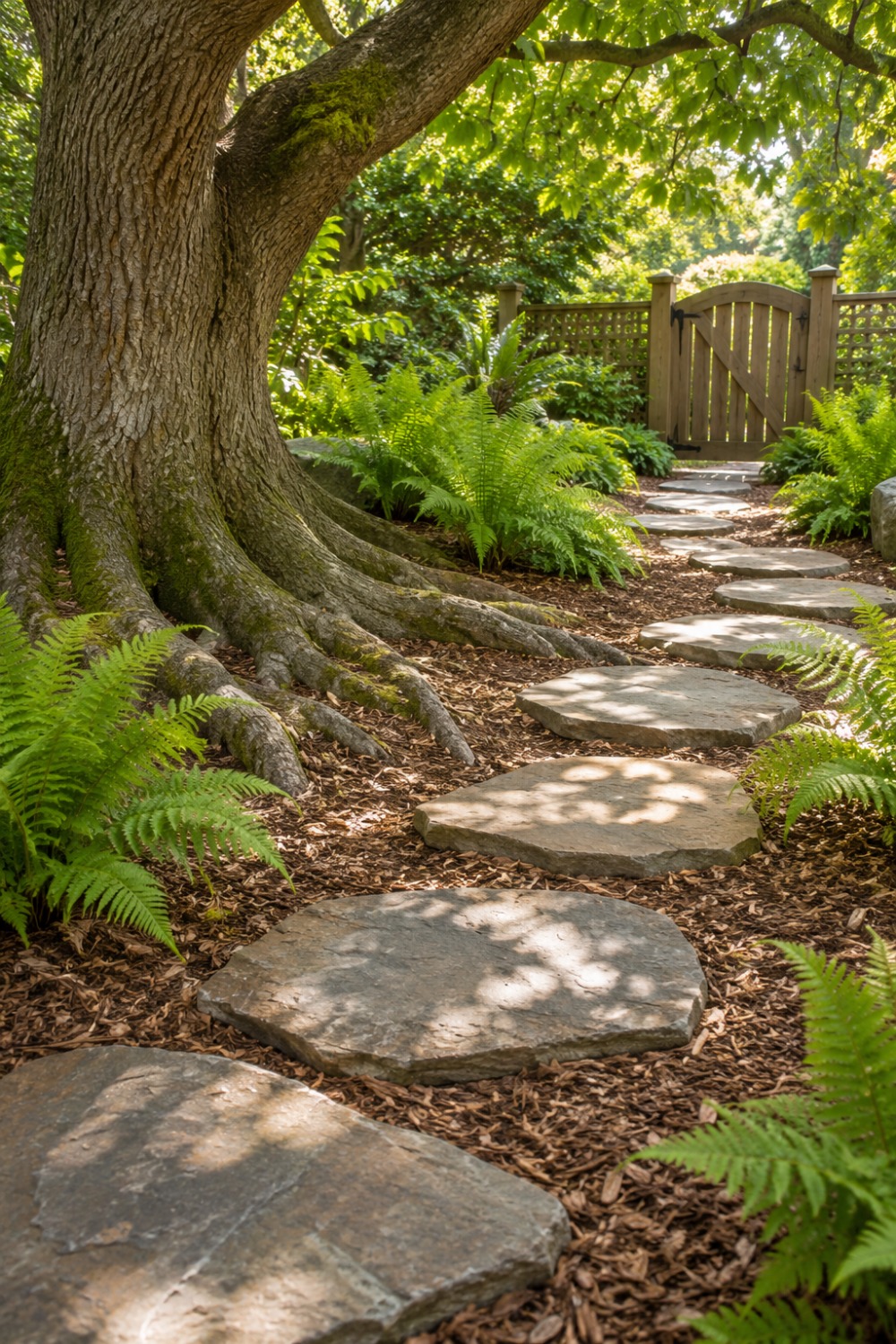
A path under a tree shouldn’t need deep digging.
Large, flat stepping stones can rest on top of a layer of mulch or sand, floating over the roots instead of cutting through them.
This keeps feet off the roots and stops the soil from getting packed down.
How to do it:
- Lay the stones out first to find a comfortable stride.
- Settle each stone onto an inch or two of sand or mulch, without digging into the roots.
- Fill between the stones with wood chips.
8. Build a Bench Around the Trunk
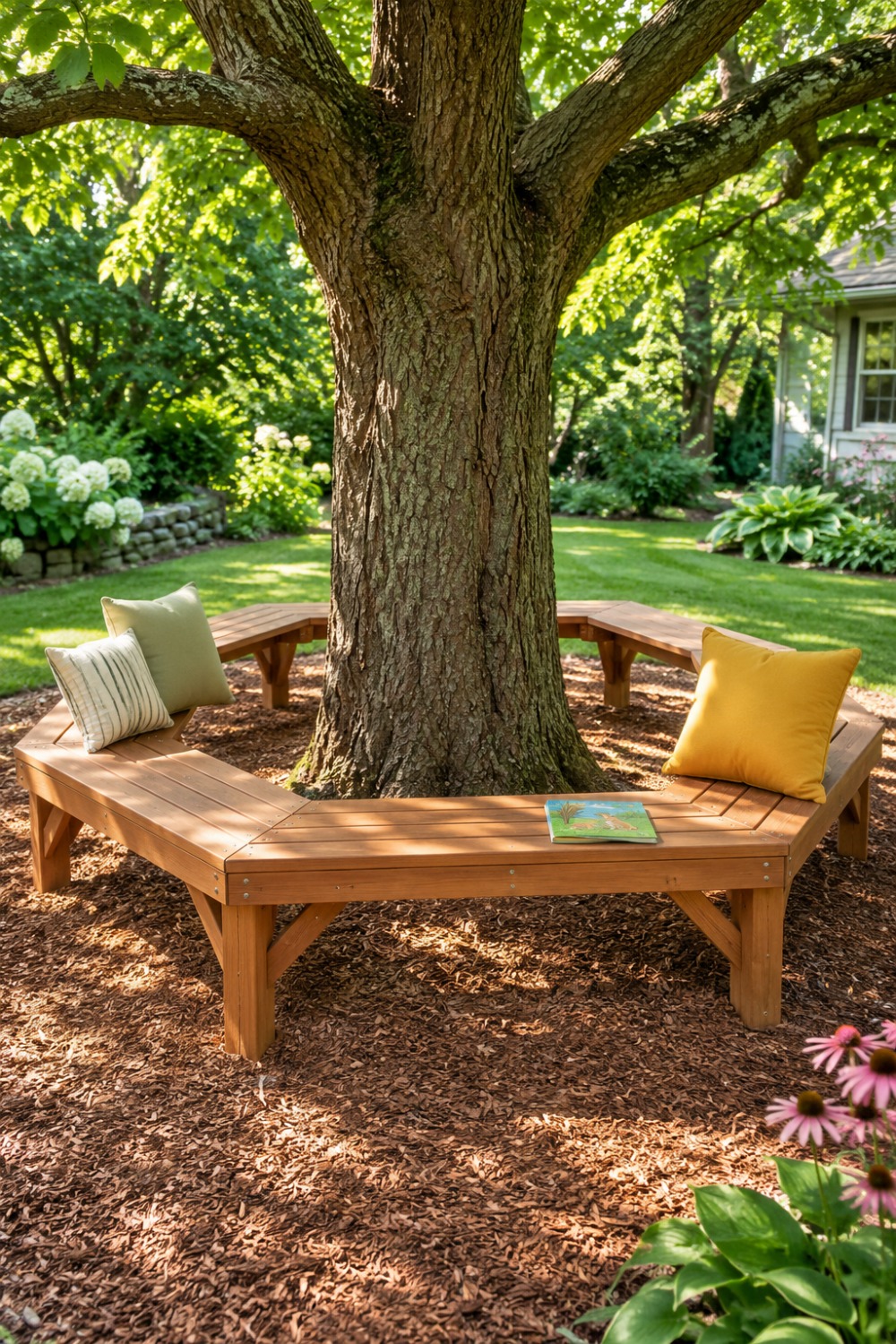
A wraparound tree bench turns the shade beneath a big tree into a favorite place to sit.
Choose a freestanding design that rests on the ground or on a few small footings, rather than a deep foundation.
Leave plenty of space between the bench and the trunk so the tree can keep growing.
How to do it:
- Measure the trunk and add several inches of clearance all round for growth.
- Choose a freestanding bench, or set legs on flat pads above the roots.
- Never attach the bench to the tree with nails or screws.
9. Grow a Moss Garden in Deep Shade
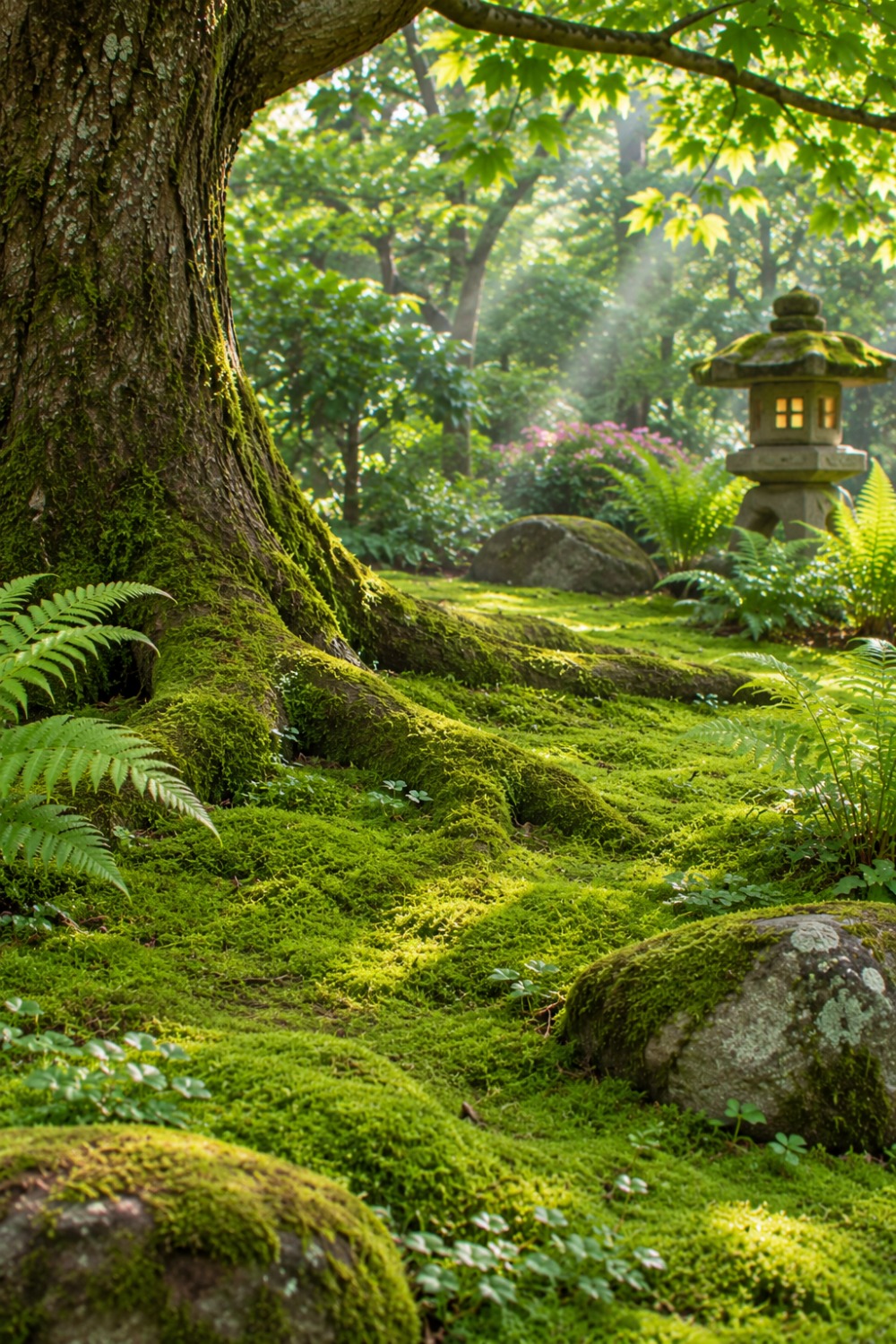
In deep shade where nothing else grows, moss can be the answer.
It creates a soft, green carpet that covers roots beautifully and needs no mowing or feeding.
Moss likes shade, moisture and slightly acidic soil, so it suits many spots under trees.
How to do it:
- Rake away leaves and weeds, and lightly firm the soil.
- Press pieces of moss firmly onto damp soil.
- Mist regularly until it takes hold, and keep leaves off in autumn.
10. Add a Bird Bath or Sculpture as a Focal Point
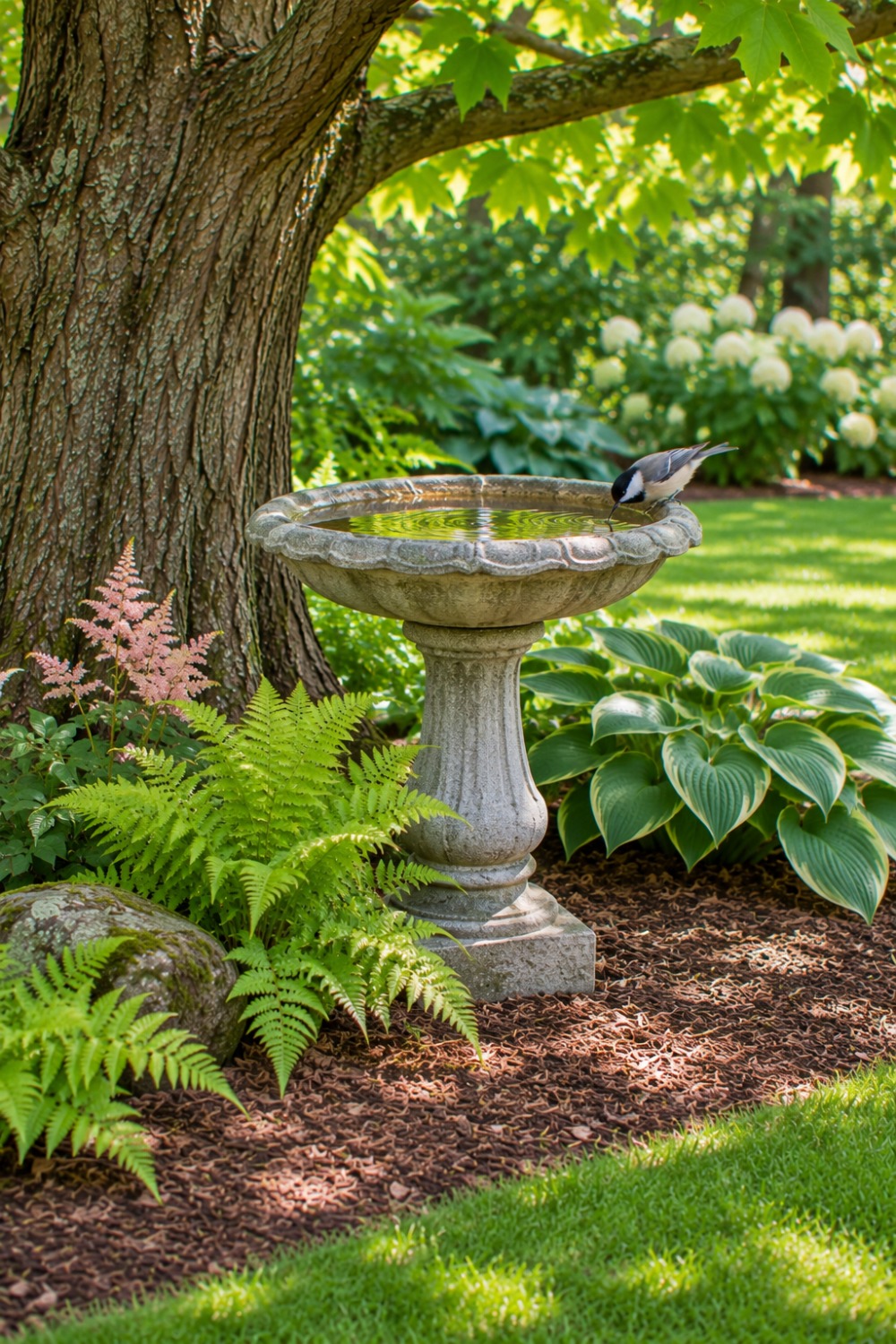
Sometimes the best thing under a tree isn’t a plant at all.
A bird bath, sculpture or large planter gives the eye somewhere to rest and makes the space feel intentional.
Shade keeps bird bath water cooler and cleaner, and birds love a nearby branch to perch on.
How to do it:
- Place the feature a little off-center for a natural look.
- Set it on a flat paver laid on the surface, not dug deeply into the roots.
- Refresh bird bath water every few days.
11. Highlight Exposed Roots as a Natural Sculpture
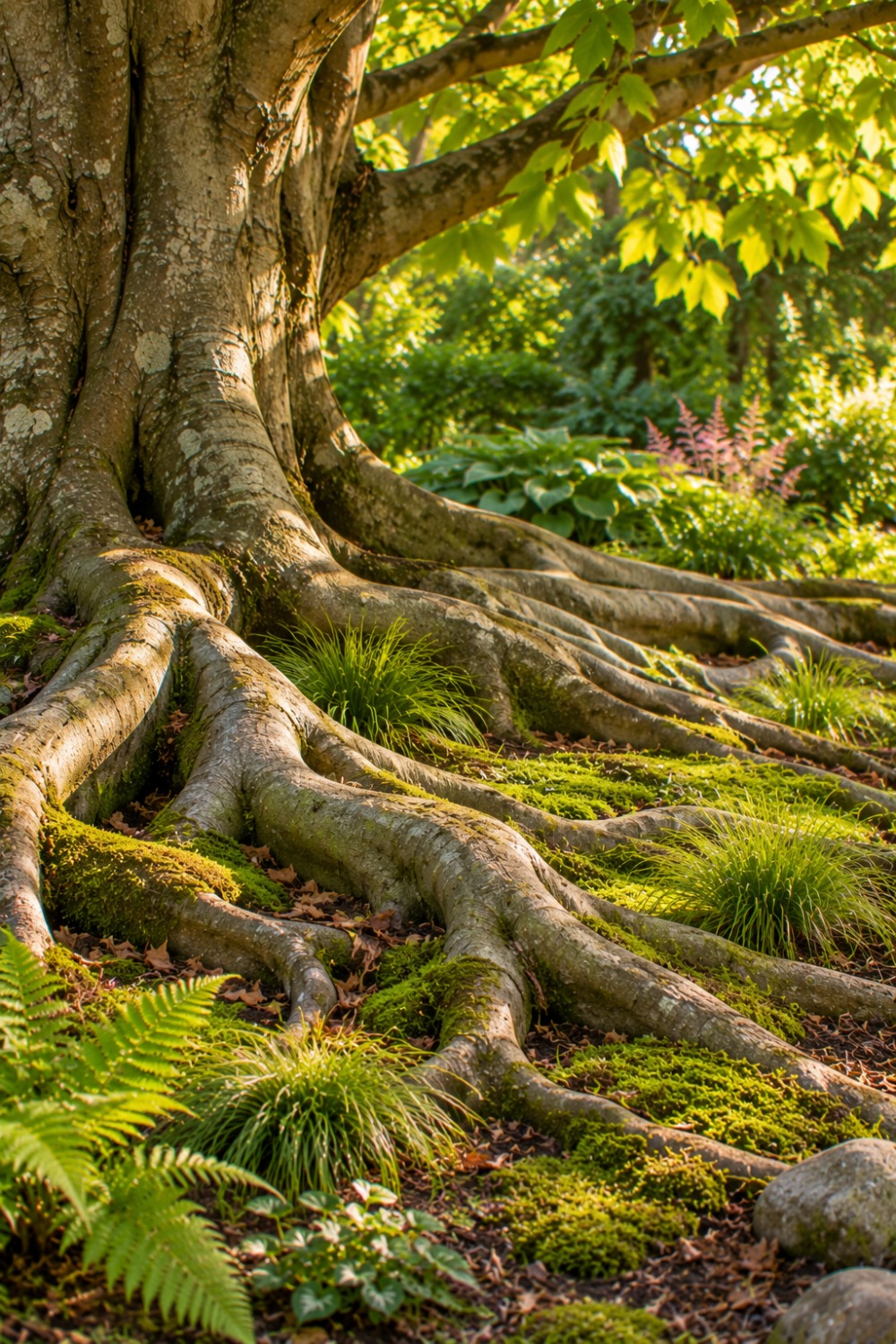
Big surface roots don’t have to be a problem. On an old tree, they can be beautiful.
Instead of hiding them, let them show and soften the spaces between with moss, sedges or a light layer of mulch.
Low plants around them highlight their sculptural shapes, like a natural work of art.
How to do it:
- Clear grass and weeds from between the roots.
- Fill gaps with a thin layer of mulch or plant low ground covers.
- Mow carefully around the area, or replace lawn entirely so mowers can’t damage roots.
12. Replace Patchy Lawn With a Mulched Shade Path
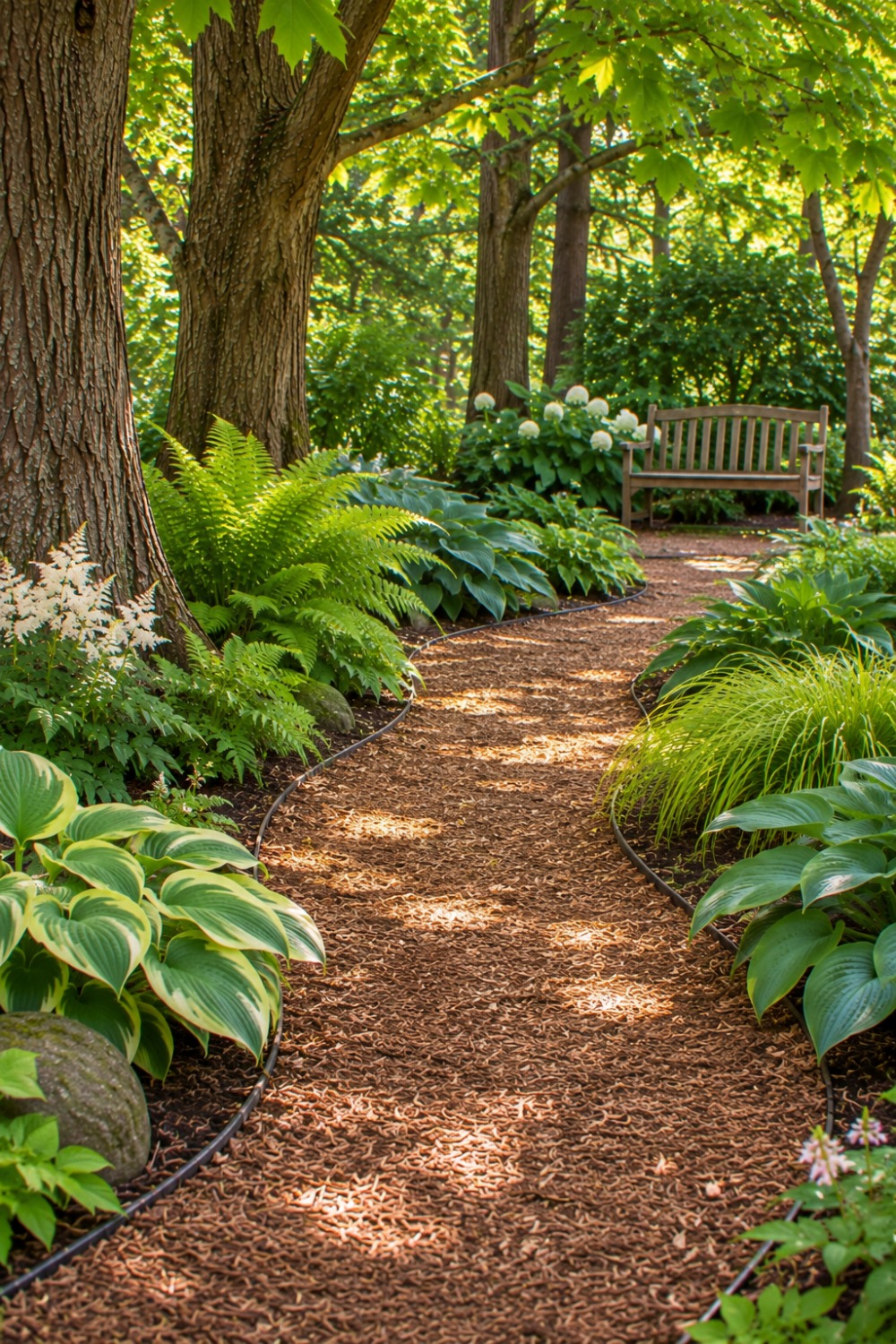
If grass keeps thinning under your trees, stop fighting it.
A soft wood chip path through planted beds looks natural, feels lovely underfoot and protects roots from heavy wear.
It also turns a problem area into a small woodland walk.
How to do it:
- Mark a gentle curve through the shady area.
- Smother the grass with cardboard and cover with 3 inches of wood chips.
- Plant shade lovers along both sides.
13. Avoid the Common Mistakes That Harm Tree Roots
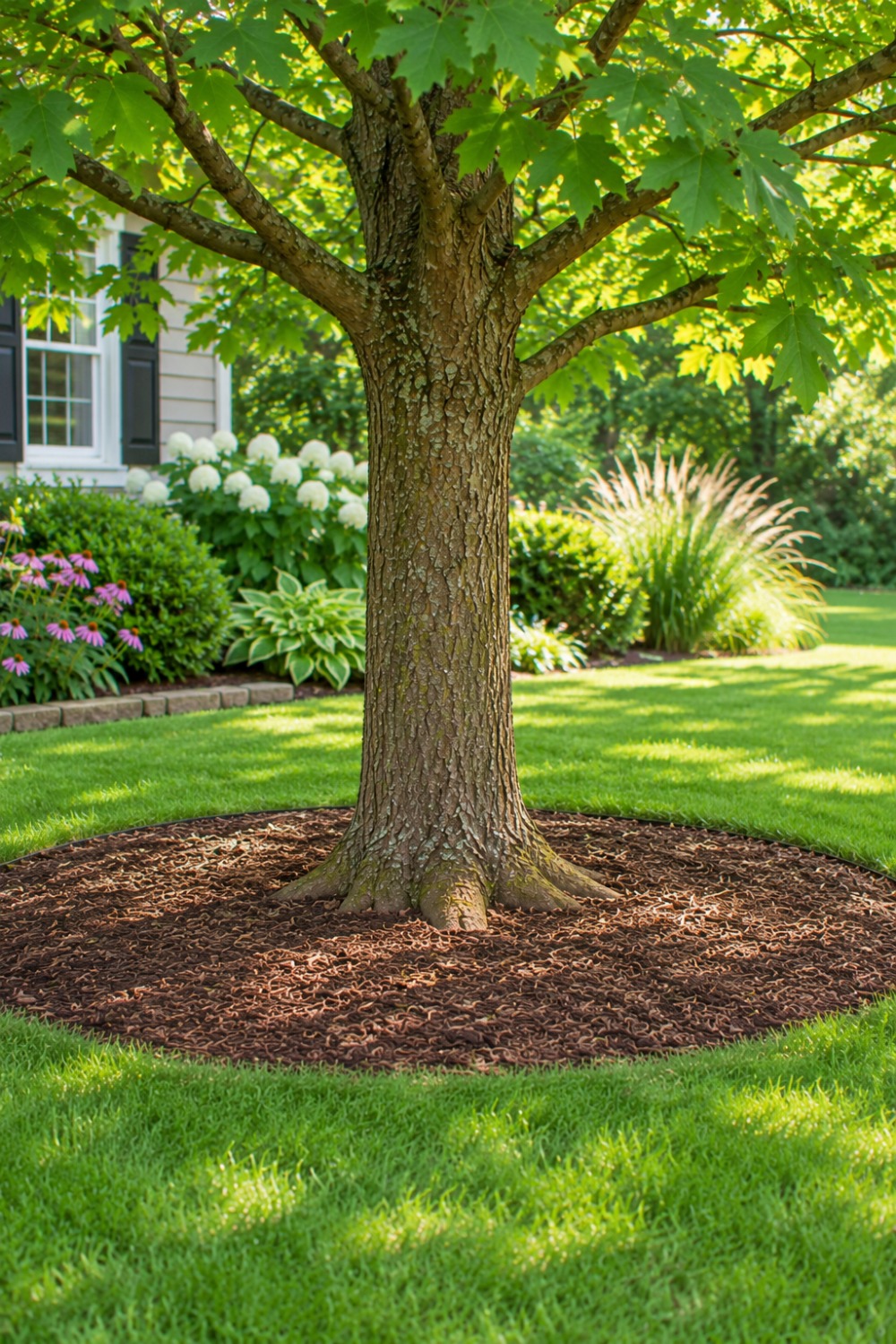
Some popular landscaping habits can slowly damage a tree.
Piling soil over the roots, building raised beds against the trunk and heaping mulch volcanoes can all starve roots of air.
Cutting large roots can also make a tree unstable. For anything bigger than a hand trowel job, ask a certified arborist first.
How to do it:
- Never add more than an inch or two of soil over the root zone.
- Keep mulch flat and away from the trunk.
- Avoid trenching, heavy machinery and parking cars under the canopy.
Frequently Asked Questions
Can I put topsoil over tree roots?
Only a very thin layer, about an inch or two, and only once in a while. Thick layers of soil can smother the fine roots that need air to survive.
What grows best under trees with shallow roots?
Shade-tolerant ground covers such as barrenwort, wild ginger, foamflower, sedges and hellebores grow well under trees and need only small planting holes.
Can you build a raised bed around a tree?
It’s best avoided. Raised beds bury roots and hold moisture against the trunk, which can harm the tree over time. Containers set on the surface are a safer option.
Is it okay to cut tree roots that stick out of the lawn?
Cutting large roots can weaken or destabilize a tree. Cover them with mulch or ground covers instead, and ask a certified arborist before removing any big roots.
Final Thoughts: Work With the Tree, Not Against It
The best landscaping under trees always starts with the tree’s health.
Begin with a wide mulch ring. It’s the simplest fix, and it makes the area look tidy right away.
Then add plants slowly, using small plugs and bulbs tucked between roots rather than big holes.
Choose one feature to make the space feel special, such as a tree bench, a bird bath or a floating stepping stone path.
Water new plantings well in their first year, since tree roots will take most of the moisture.
Avoid piling soil, building raised beds or cutting large roots, and your tree will thank you for decades.
For more ideas for the rest of your garden, see our backyard landscaping ideas and front yard landscaping ideas.
With a little patience, the shady spot under your tree can become the coolest, calmest corner of the yard.